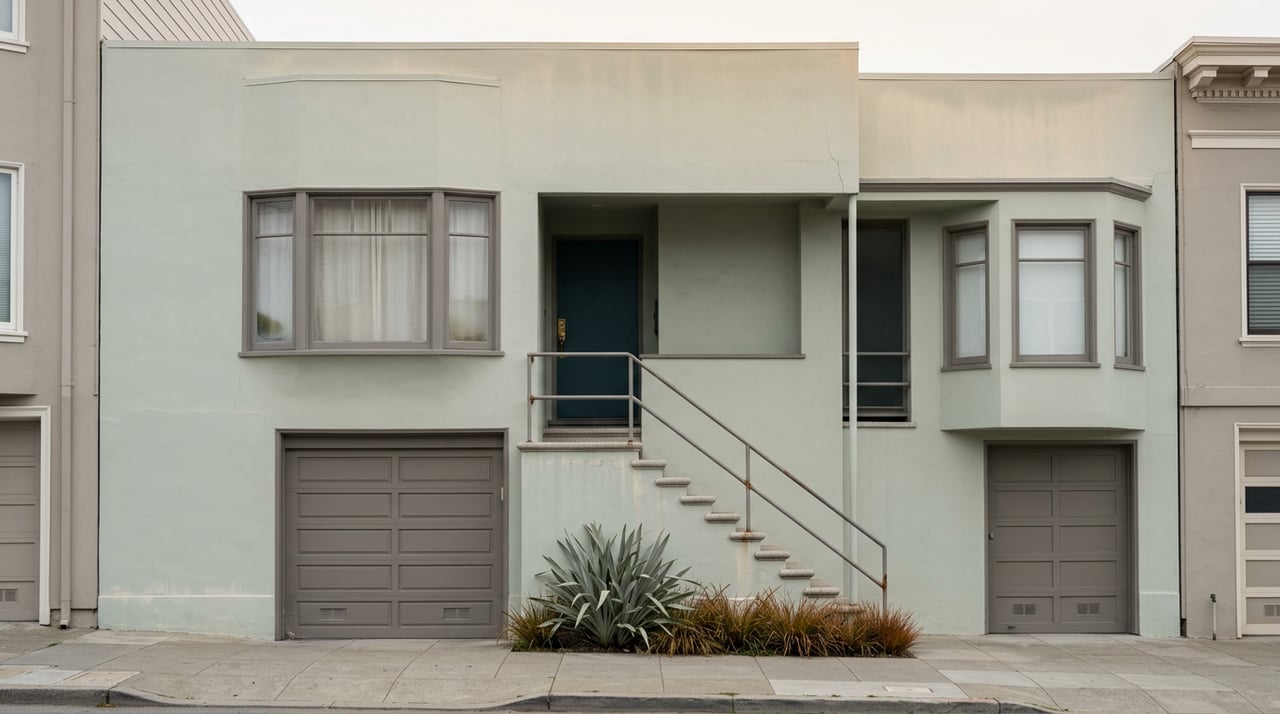
Sunset Dunes Park Events for August 2026
August 20, 2026
August 20, 2026
Walk the promenade between Judah and Noriega this week and the first thing you notice is the paint. Fresh lane markings now split the old Upper Great Highway into two distinct strips, a walking and lounging side on the west and a shared lane for bikes, scooters, and joggers on the east. Rec and Park rolled the change out this summer, timed on purpose to the start of the school year, and if you have a kid who bikes to school along the water, you have probably already adjusted your route without thinking much about it.
A few blocks north at Judah, there is a construction fence around what looks like the beginning of a small ship. That is Shipwreck Cove, a sand-play and dune-education installation Friends of Sunset Dunes started building in July, with completion expected by September. It is a small addition, but it is also a signal. Nobody builds a permanent play structure into a road they expect to lose.
That detail matters more than it looks like it should, because the loudest thing happening around Sunset Dunes right now is not about paint or play structures. It is a ballot measure. In November, San Franciscans will vote again on whether the park stays car-free every day or reverts to weekday traffic, the arrangement in place before Proposition K passed in 2024. The vote is real and it is going to get noisy. But if you look at what the neighborhood is actually doing this summer, building play structures, redrawing lane lines for the long term, sketching decade-out design plans, the debate on the ground looks a lot more settled than the debate on the ballot.
Sunset Dunes opened on April 12, 2025, converting two miles of the old Upper Great Highway, from Lincoln Way to Sloat Boulevard, into what became the largest pedestrianization project in California history. A year later, Rec and Park released the full first-year numbers, and they are the kind of numbers that make the political fight feel out of step with daily behavior.
The park logged 1.7 million visits in its first twelve months, averaging 4,900 visits a day. Weekends and holidays pulled about 7,200 visits, weekdays about 3,800, but weekday trips still made up 53 percent of the yearly total. That split is the real story. A park that only draws crowds on Saturday is a destination. A park where more than half the traffic shows up on a random Tuesday is something residents have folded into their week.
The single busiest day of the year was the San Francisco Half Marathon on February 1, 2026, with 18,700 visits. The busiest ordinary day, no event, no marathon, was March 8, a sunny Sunday that happened to be the start of Daylight Saving Time, with 12,400 visits. Two-thirds of a marathon crowd showing up because the sun came out and the clocks changed says more about how the neighborhood uses this space than any turnout at a rally ever will.
The traffic argument that fueled a lot of the early opposition has also not held up the way critics expected. Studies from the San Francisco Municipal Transportation Agency found minimal changes to commute times and no measurable impact on transit service after the road closed to cars. The controversy over the recall of Supervisor Joel Engardio, who championed the park and lost his seat partly over it, made headlines. The traffic data quietly didn't.
| Event | Date | Time | Where |
|---|---|---|---|
| Zumba and Shake the Fog | Aug 15, 2026 | 10:30 to 11:30 a.m. | Along the promenade |
| Welcome Back Plover Party | Aug 22, 2026 | 11 a.m. to 2 p.m. | Sunset Dunes at Judah |
| Shipwreck Cove installation | Ongoing through Sept 2026 | Daytime construction | Judah entrance |
The Welcome Back Plover Party marks the return of snowy plovers to Ocean Beach for the season, and it is a good example of how the park's programming has settled into a rhythm that has nothing to do with the ballot fight. Friends of Sunset Dunes runs monthly cleanups, chair yoga, and a Roving Ranger program that talks with visitors about sea level rise and dune ecology, alongside recurring live music on the first and second Sundays of the month. None of that reads like the activity of a group bracing for the park to disappear in November.
The new Park Zone and Multi-Use Zone split is worth understanding if you use the promenade regularly, because it changes where you are supposed to be. The Park Zone, on the west side of the median, is for walking, sitting, and slower activity. The Multi-Use Zone, on the east side, is shared by cyclists, runners, scooters, and e-bikes, with riders asked to keep right so the lane moves predictably. Pedestrians still have the right of way at every crosswalk in both zones.
SFMTA Director of Transportation Julie Kirschbaum framed the update as a matter of clarity rather than a policy shift, saying the goal was to make the space easy to share for neighbors, families, and visitors alike. Rec and Park General Manager Phil Ginsburg was more direct about what is coming next.
"As we head into the warmest time of the year, we expect its popularity to continue to grow. These changes will help provide clarity while balancing the needs of all visitors, making sure everyone can make the most of this beautiful oceanfront park."
That is not the language of an agency hedging its bets on a park that might vanish in three months. It is the language of an agency planning for next summer.
The clearest evidence that this park has become permanent infrastructure rather than a temporary experiment sits in the cash registers along the avenues that cross it. Andytown, Other Avenues Co-op, LoveFest Fibers, and Black Bird Bookstore and Cafe have all reported revenue increases as high as 44 percent since the park opened, according to figures Friends of Sunset Dunes shared this spring. That is not tourist money passing through. Rec and Park's own data shows one in four park visitors already lives in the Sunset, which means a meaningful share of that business bump is coming from people who live within walking distance and now have a reason to walk that direction more often.
Java Beach Cafe has been watching the neighborhood change for longer than most. Owner Pat Maguire grew up at 44th and Kirkham back when locals called this stretch the Lower Sunset, and he remembers a Thanksgiving football rivalry against the Upper Sunset kids from across Sunset Boulevard, the kind of block loyalty that used to define who you were out here. The neighborhood he describes, dive bars, drag races down the Great Highway, a scrappy surf culture, is not the one that exists today. Remote work and new residents have reshaped the blocks around Judah and Taraval, and the park has become one of the places where old-timers and newcomers end up sharing the same stretch of sidewalk.
The November ballot measure will formally settle whether Sunset Dunes stays car-free full time or reverts to weekday traffic, weekend closure only, the arrangement that existed before Prop K. Most signs are pointing toward the measure to reopen the road failing, and the design conversation already happening around the park reflects that expectation.
In July, urban design firms held a public workshop to sketch what the park could look like years from now, not months from now. WRT designer John Gibbs argued for restraint, saying amenities are secondary to the park's basic function.
"Don't overthink amenities. It's about movement."
Fletcher Studio's David Fletcher took the opposite approach, pitching turf soccer fields, a roller disco space, and pickleball courts alongside the skate park and pump track that already exist near Sloat. Both designers were working from the same premise: that whatever gets built here is being built for the long term, not for a park with a countdown clock. Coffee shops came up repeatedly in that workshop too, both designers noted rising foot traffic near the park's cafes as a reason to plan for permanent food and drink kiosks rather than temporary vendors.
None of this tells you how the November vote will go. It tells you how the people who study, program, and profit from this stretch of coastline are already behaving, and that behavior has moved well past debating whether the park stays.
You do not need the ballot results to know what your Tuesday looks like this fall. The lane lines are already repainted. The Shipwreck Cove structure will be finished by the time the fog starts rolling in earlier. Andytown and Black Bird Bookstore and Cafe are not staffing up for a park that might disappear. The neighborhood has been answering this question with its feet, its dollars, and its design meetings all year, well ahead of whatever the ballot says in November.
If you are new to the Sunset or thinking about what daily life actually looks like on this side of the city, from a Tuesday afternoon walk on the promenade to what the fall calendar has in store, Michael Soon grew up in these blocks and still walks them. Reach out anytime you have a question about the neighborhood, no transaction required.
Stay up to date on the latest real estate trends.

Understanding his client's goals has helped Michael negotiate successful outcomes buyers and sellers on all types of properties throughout the San Francisco region. Real estate, whether buying or selling, can be quite a journey, and Michael will be there every step of the way.