Leave a Message

Thank you for your message. We will be in touch with you shortly.

Daly City Housing Types: Single-Family, Duplex, TIC

January 1, 2026

Thinking about widening your home search just south of San Francisco? Daly City offers a mix of single-family homes, duplexes, and TICs that can fit a range of budgets and goals. If you are a first-time buyer, understanding what you own, how you finance it, and how it resells can help you make a confident choice. In this guide, you will learn how each property type works in Daly City, what to look for during inspections, and how to budget wisely. Let’s dive in.

Daly City housing at a glance

Daly City sits just below San Francisco and includes a blend of single-family tracts, small multi-unit buildings, and larger apartment or condo complexes. You will see denser multifamily buildings near transit and commercial corridors, while many residential areas feature mid-century single-family homes.

Building eras matter. Large waves of development happened from the 1940s through the 1960s, with more infill and multifamily construction from the 1970s to the 2000s. This affects common layouts, materials, and the types of upgrades you might need.

Neighborhood patterns vary. Areas around Serramonte and Westlake often have uniform tract housing and townhomes with more predictable maintenance. Hillside sections and older pockets can offer views but may require extra attention to drainage, foundations, and retaining walls. Near BART and commercial corridors, you will find more duplexes and multifamily buildings, which can appeal to commuters and investors.

Single-family homes: familiar and flexible

What you own

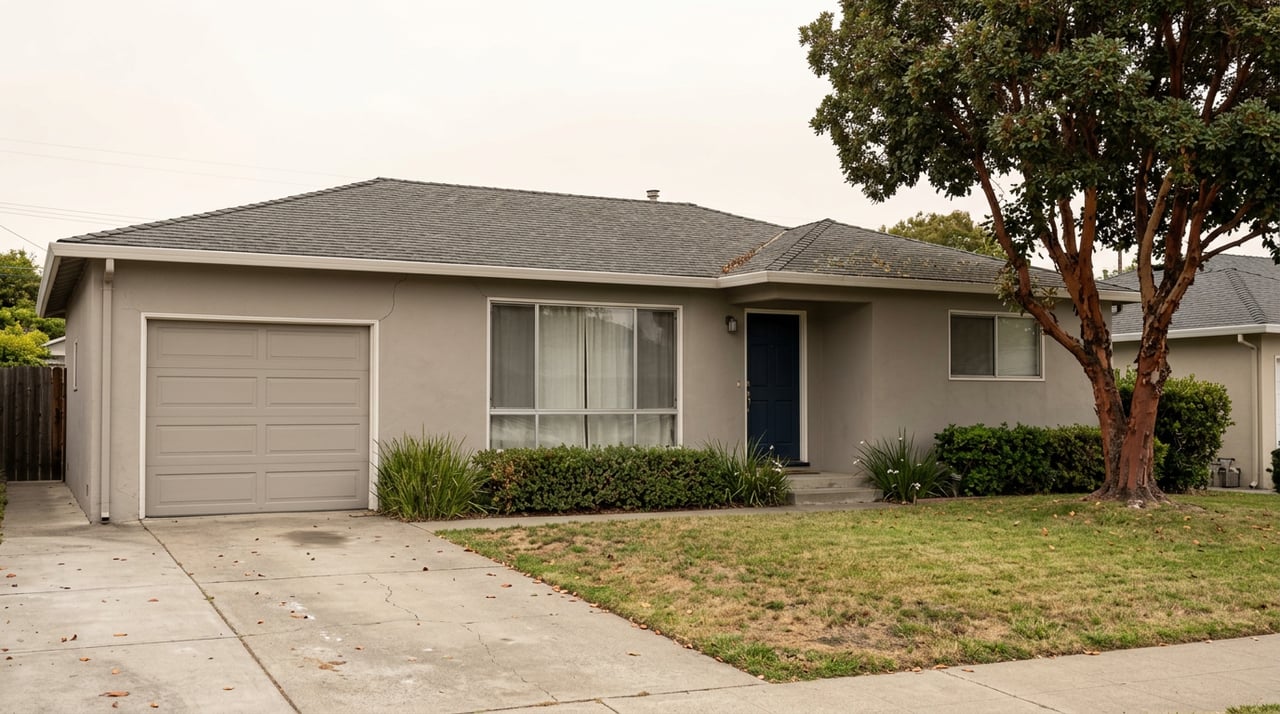
Single-family homes are fee-simple. You own the detached house and the lot. This set-up is straightforward for most first-time buyers and usually comes with the broadest financing options.

Typical eras and maintenance

Many Daly City single-family homes date to the post-war period. You will often see wood-frame construction with stucco or wood siding and either raised or slab foundations. In this climate and era, common items to check include:

  • Seismic risks like weak cripple walls or unreinforced masonry chimneys
  • Roof age and flashing, since coastal fog can speed up exterior wear
  • Moisture intrusion, wood rot, and mold risk due to the marine layer
  • Older electrical or plumbing in very old homes
  • Drainage, retaining walls, and slope stability on hillside parcels

Financing and resale

You will find the widest pool of lenders and buyers for single-family homes. Appraisals are more straightforward than for multi-unit or TIC purchases. Resale tends to be strong because single-family homes attract a broad range of buyers. If you are considering an older home, budget for routine maintenance and possible seismic or drainage upgrades.

Duplexes: live-in income potential

What you own and where they are

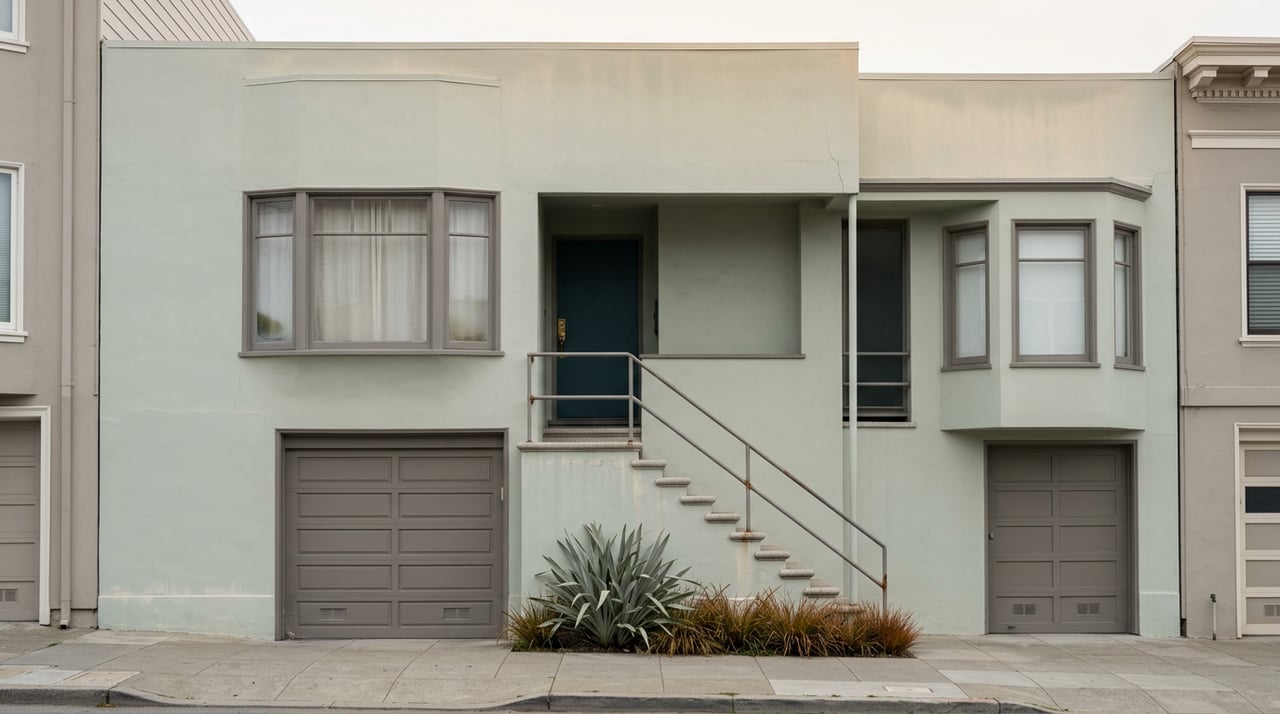
A duplex is a 2-unit building on one parcel. You can live in one unit and rent the other, or rent both. In Daly City, duplexes and small multifamily buildings tend to be closer to transit and commercial areas but can also be found in older neighborhoods.

Maintenance and management

Duplexes often share major systems, such as the roof, foundation, and plumbing stacks. As the owner, you are responsible for the building and for landlord duties if you rent out a unit. Older duplexes may need separation upgrades, electrical improvements, or separate utility meters.

Financing and appraisal

Lenders underwrite 2-unit properties differently from single-family homes. You can get owner-occupied financing, but down payment and reserve requirements can be stricter. Appraisals often consider both comparable sales and income. Be prepared to discuss vacancy assumptions and realistic rent numbers with your lender.

Resale pros and cons

  • Pros: Rental income can help offset the mortgage and widen the pool of buyers who value cash flow.
  • Cons: The buyer pool is smaller than for single-family homes. Not everyone wants landlord duties, and underwriting can be more complex.

House-hacking checklist

If you plan to live in one unit and rent the other, evaluate:

  • Local rent levels and vacancy trends near the property
  • Conservative rent estimates if the unit needs work or will be leased below market
  • Landlord costs, including repairs, vacancy, compliance, and management time
  • Insurance and tax considerations for rental income

TICs: co-ownership with added homework

How a TIC differs from a condo

A Tenancy in Common is a co-ownership setup in which each owner holds a fractional share of the whole property, rather than a separately deeded condo unit. Your rights, responsibilities, and occupancy are defined by a detailed TIC agreement, not by a condo map. This difference matters for financing, insurance, and resale.

Financing and insurance realities

TIC loans are more limited than standard mortgages. Fewer lenders offer them, and they often require stronger credit, larger down payments, and specialized loan products. Some lenders do not finance TICs at all. You will also need insurance that covers the building and the co-ownership structure as defined in your agreement.

Governance and maintenance

The TIC agreement sets rules for maintenance, reserves, expense sharing, buy-sell provisions, and dispute resolution. Buildings without clear rules or adequate reserves can face delays in repairs and tougher resale conditions.

Resale dynamics

TICs can be more affordable than condos or single-family homes, which can help first-time buyers. However, resale pools are smaller because financing is limited and not all buyers want the tradeoffs of co-ownership. Thorough documentation and transparency about reserves, operating history, and lender acceptance help marketability.

Choose the right fit for you

Start by defining what matters most for your lifestyle and budget:

  • Commute and transit access
  • Space needs, including bedrooms, yard, and storage
  • Income potential and your comfort with landlord duties
  • Maintenance tolerance and your appetite for projects
  • Resale horizon and how long you plan to stay

A simple decision guide:

  • Choose a single-family home if you want the broadest financing options, simpler ownership, and a wide resale pool.
  • Choose a duplex if offsetting your mortgage with rent is key and you are comfortable managing tenants and shared building systems.
  • Consider a TIC if lower upfront cost is crucial and you are willing to navigate specialized financing, shared governance, and a narrower resale market.

Budget the full monthly cost

Look beyond principal and interest. Build a complete budget that includes:

  • Property taxes at roughly a 1 percent base of assessed value plus local assessments
  • Homeowner’s insurance
  • Utilities
  • Maintenance reserves for repairs and capital projects
  • HOA or TIC contributions if applicable

Reserve planning by property type:

  • Single-family: Plan for seismic upgrades, roof replacement, and drainage or retaining wall work, especially on hillside lots.
  • Duplex: Add building-wide systems upkeep and a landlord reserve for vacancies, repairs, and turns.
  • TIC: Confirm the building’s reserve fund level in the agreement and review recent capital improvements to avoid surprises.

Inspections and due diligence in Daly City

Bring in experienced local professionals and focus your inspections on the issues most common to the area and building era. Your checklist should include:

  • Structural and foundation review, including retaining walls on slopes
  • Roof, flashing, gutters, and exterior finishes to assess coastal moisture wear
  • Seismic vulnerabilities such as cripple walls and unreinforced chimneys
  • Electrical panel capacity and wiring type; plumbing condition and service line material
  • Moisture, mold, or rot indicators given the foggy microclimate
  • Separate utility metering for duplexes if income is part of your plan
  • For TICs: the recorded TIC agreement, reserve funding, insurance coverage summary, and any pending litigation or liens; confirm which lenders have previously financed shares and whether a title company has reviewed the documents

Professionals to involve early:

  • A real estate agent with Daly City and multi-unit or TIC experience
  • A lender or mortgage broker familiar with duplex and TIC underwriting
  • A licensed home inspector who understands coastal and seismic issues
  • A real estate attorney for TIC agreements or complex co-ownership
  • A contractor for scope and cost estimates after inspection
  • A title company accustomed to TIC and small multifamily conveyances

Local rules and what they mean for resale

Before you buy, check local requirements and typical resale hurdles:

  • Seismic improvements: California does not mandate a single statewide retrofit for private homes, but local guidelines and lender requirements can apply. Ask about upgrades for vulnerable elements like cripple walls.
  • Sewer lateral and utility compliance: Some Bay Area cities require private sewer lateral inspection or repair at sale. Verify Daly City and San Mateo County rules on your target property.
  • Permits and unpermitted work: Older remodels can lack permits. Unpermitted work can complicate financing, insurance, and resale. Confirm records with the city’s building department.
  • HOA or special assessments: For condos and newer developments, HOA dues or special tax districts can impact monthly cost. Obtain current statements and tax details.

Marketability by type:

  • Single-family: Broad buyer pool. Energy efficiency, seismic safety, and curb appeal upgrades often help resale.
  • Duplex: Both investors and owner-occupants will scrutinize rents, vacancy, and expense history. Clean financials support value.
  • TIC: Strong, lender-friendly documents and adequate reserves are essential. A history of successful financing for other TIC interests helps buyers and lenders gain confidence.

Your next step

If you are exploring Daly City for the first time, start with a targeted preapproval that covers the property type you want. Ask your lender about duplex and TIC products specifically, since terms can differ from standard loans. Then line up inspections and early contractor bids so you can budget with real numbers.

When you are ready to compare options or tour properties, connect with a local advisor who understands single-family homes, small multi-unit buildings, and TICs. Michael provides full-service buyer representation, investor guidance, property management and tenant placement, and project coordination for inspections, repairs, and staging. If you prefer English, Mandarin, or Cantonese, you will have clear communication at every step. Ready to get started? Schedule your free neighborhood consultation with Michael Soon.

FAQs

Is a Daly City duplex a good first-time buyer strategy?

  • It can be. Living in one unit and renting the other can lower your net housing cost, but financing can be stricter and you must plan for landlord duties and maintenance.

How is a TIC different from buying a condo in Daly City?

  • A TIC is fractional co-ownership of the whole property governed by a detailed agreement, while condos are separately deeded units. TICs are harder to finance and may have a smaller resale pool.

Do older Daly City homes need seismic upgrades?

  • Many do benefit from seismic and foundation improvements, and hillside lots often require drainage review. A structural inspector familiar with local conditions is essential.

What costs should I budget for beyond the mortgage in Daly City?

  • Include property taxes at roughly a 1 percent base plus local assessments, insurance, utilities, HOA or TIC fees if applicable, and a maintenance reserve for repairs and capital projects.

Are TIC loans available in Daly City right now?

  • Some lenders offer TIC financing, but options are limited compared with single-family or condo loans. Get preapproved with a lender that specifically handles TICs before you shop.

Work With Michael

Understanding his client's goals has helped Michael negotiate successful outcomes buyers and sellers on all types of properties throughout the San Francisco region. Real estate, whether buying or selling, can be quite a journey, and Michael will be there every step of the way.