Leave a Message

Thank you for your message. We will be in touch with you shortly.

Move-Up Buying in the Sunset: Floor Plans and Yards

January 15, 2026

Thinking about moving up in the Sunset but unsure how the floor plans and yard sizes will fit your family? You are not alone. Many buyers here want 3 to 5 bedrooms, a usable backyard, and room to grow without taking on the wrong project. In this guide, you will learn what typical Sunset layouts look like, how yards and lots actually perform, which expansions work best, and how to plan your sell-and-buy timeline. Let’s dive in.

What move-up buyers want in the Sunset

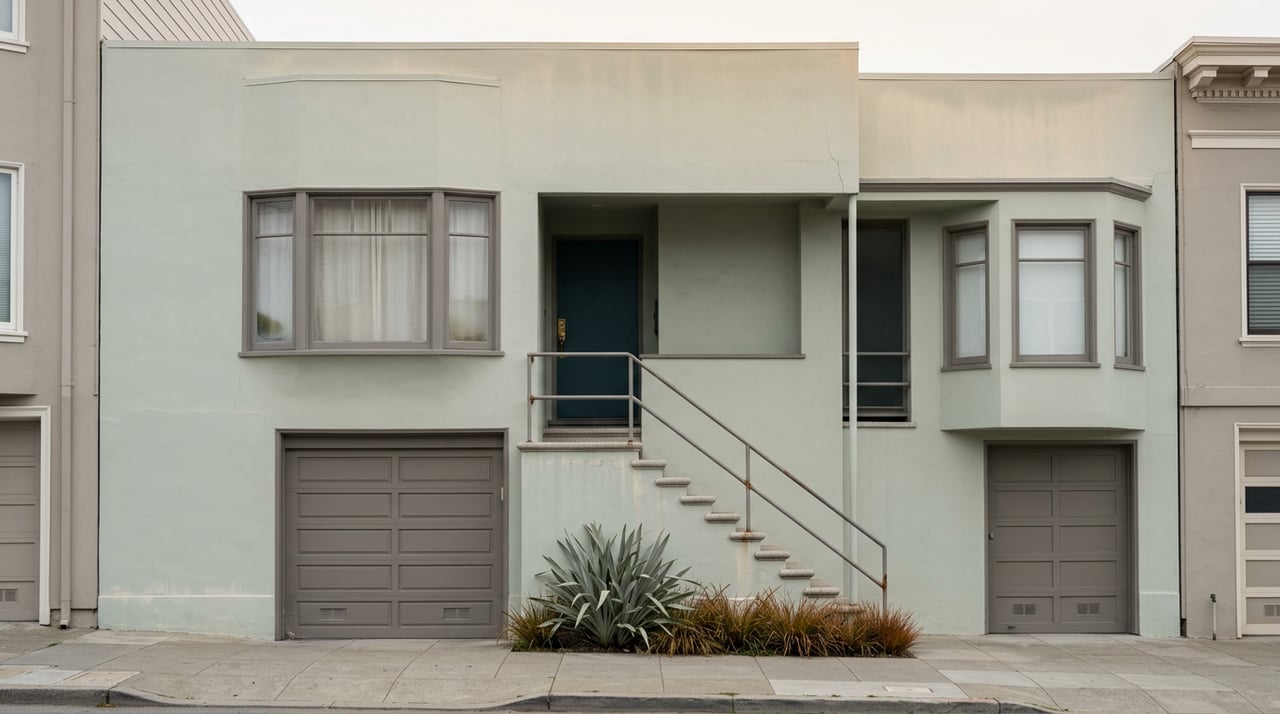
Most move-up buyers in the Sunset aim for more bedrooms, more baths, and a flexible family zone that connects to the backyard. You may also want an accessory dwelling unit for extended family or rental income. Because many Sunset lots follow a narrow 25-foot by roughly 100-foot pattern, your plan to expand matters as much as the number of rooms you want. Understanding the typical floor plate and rear yard will help you focus your search.

Typical Sunset floor plans

Tunnel entries and long corridors

Many homes from the 1920s to 1950s have a long entry corridor that runs deep into the house. These “tunnel” layouts can limit daylight in the middle rooms yet often leave the rear wall open for addition potential. If you want an open kitchen and family area at the back, this is a common renovation target.

Center patios and light wells

Some homes use an interior light court to bring daylight into the center of the plan. You can keep this space to maintain natural light, or enclose it with permits to gain interior square footage. Closing a light well can affect ventilation and mechanical needs, so plan for code compliance as part of the design.

Front-to-back living patterns

It is common to see formal rooms toward the front, with the kitchen and informal space near the rear. For growing households, that rear area often becomes the heart of the home. Rear additions are popular since they can extend that kitchen-family zone directly to the backyard.

Two-flats and multiunit setups

Some properties are configured as two separate flats. Conversions or reconfigurations may be possible depending on zoning and unit-count rules. Be sure to consider tenant status and local regulations before planning changes to the number or use of units.

Yards and lot sizes: what to expect

Typical lots and rear yards

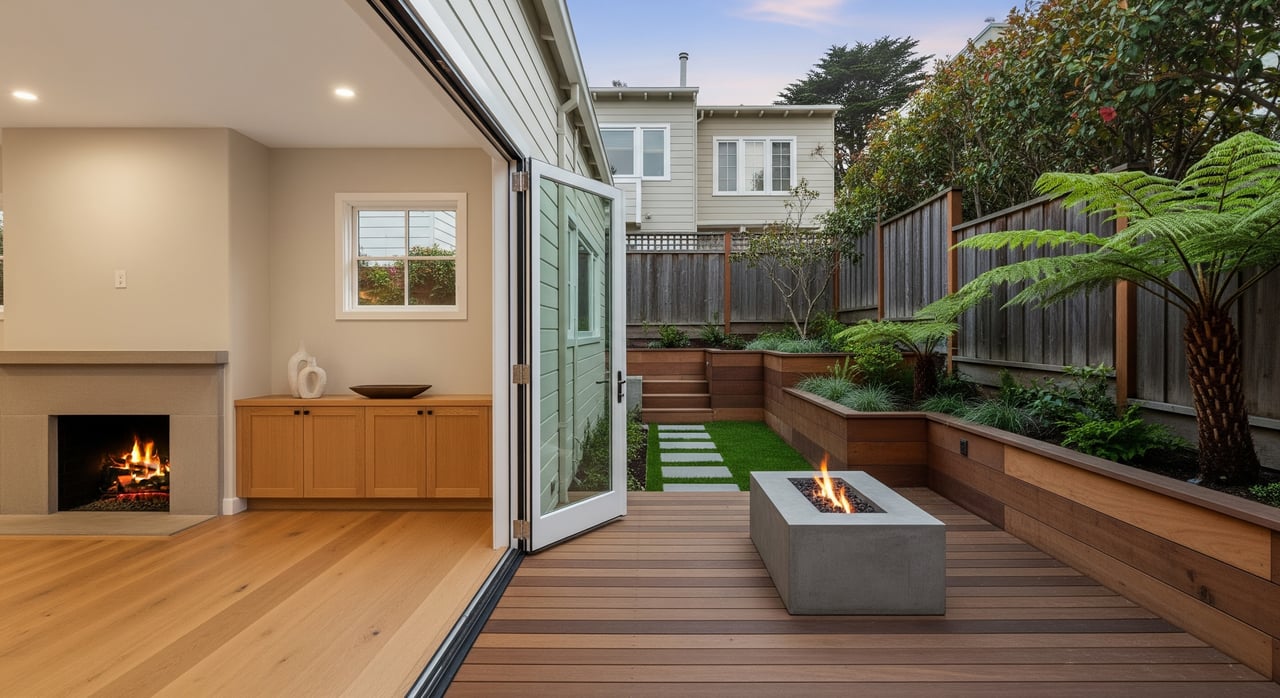
On many Sunset parcels, the lot is narrow and deep. The rear yard depth you experience depends on the home’s existing footprint. Expect a functional outdoor area suited to a patio, small lawn, or garden rather than a large suburban-style yard.

Expansion paths that work

  • Rear additions. Often the most straightforward way to add meaningful living space and connect indoor living to the yard.
  • Vertical additions. Adding a level can yield bedrooms and baths, but it requires structural analysis and attention to height limits.
  • Attic conversions. If structure and ceiling heights allow, this can be a cost-efficient way to gain a primary suite or extra bedrooms.
  • Basement or partial excavation. Useful for media rooms or a suite, especially where the lot slopes. Plan for complexity if soils or water table are a factor.
  • ADUs. City and state rules support ADUs, whether attached or detached, but site constraints like setbacks and parking still apply.

Planning additions and ADUs

Permits, zoning, and setbacks

San Francisco zoning controls height, lot coverage, setbacks, and unit count. Each parcel is different, so confirm the zoning map and the property’s designation before you assume a particular addition is allowed. For ADUs, recent state and local rules have eased approval, but each site still must meet requirements for fire, setbacks, and access.

Soil, foundation, and drainage

Older homes often sit on shallow foundations or crawlspaces and some Sunset areas have dune sands or variable soils. If you plan a basement, vertical addition, or new foundation work, a structural and soils review is wise. Also check grading and drainage. Damp basements and yard drainage issues are common red flags that can raise costs later.

Disclosures and red flags to review

Required disclosures in SF sales

In California, sellers provide a Transfer Disclosure Statement and other property questionnaires that outline known material facts. You will also receive a Natural Hazard Disclosure report to flag mapped hazards. In San Francisco, verify Private Sewer Lateral compliance, since a certificate or proof of repair is required at transfer. Local addenda may also apply, depending on property type.

Inspection priorities for older homes

  • Structural and foundation review. Look for settlement, active cracking, or the need for seismic bracing at cripple walls.
  • Pest inspection. Check for wood-destroying organisms and prior treatments.
  • Sewer lateral CCTV. Old clay laterals often need repair, and PSL documentation should match the property’s condition.
  • Systems and finishes. Identify knob-and-tube wiring, galvanized plumbing, lead paint in pre-1978 areas, roof conditions, and rainwater management. If you plan to expand, add a preliminary zoning and permit consult with an architect or permit specialist.

Sell-then-buy vs buy-then-sell

Sell first: pros, cons, tactics

  • Pros. You will know your net proceeds for the next down payment and your offer will be stronger without a sale contingency.
  • Cons. You may need temporary housing, and inventory for larger homes can be limited when you are ready.
  • Tactics. Negotiate a rent-back to stay after closing, line up short-term housing, and keep your loan preapproval current so you can move fast.

Buy first: pros, cons, tactics

  • Pros. You can take time to prepare and stage your current home for maximum price and maintain family routines with less disruption.
  • Cons. You may need bridge financing or a HELOC to carry two homes, and some sellers resist sale contingencies.
  • Tactics. Confirm financing capacity in advance, budget for double carrying costs, and balance your offer terms with larger earnest money or a shorter escrow.

Using contingencies and hybrid options

Sale contingencies protect you but can be less competitive depending on the listing. If you use one, keep timelines tight and clear. You can also coordinate back-to-back escrows and consider escalation clauses. The right approach depends on inventory, your financing, and the seller’s preferences.

Quick move-up checklist

  • Verify lot size, zoning, and any easements for each property you consider.
  • Request the full disclosure package and copies of building permits for past work.
  • Confirm Private Sewer Lateral compliance.
  • Order structural, pest, sewer, roof, electrical, and HVAC inspections.
  • If planning an addition or ADU, get a preliminary design and permit consult with an architect and a structural engineer.
  • Decide early how you will sequence the move. Prepare for sell-first or buy-first with a clear financing and housing plan.

Your next step

If you want a larger Sunset home and a yard that fits your family’s day-to-day, focus on the floor plan and what the lot allows. With the right layout and a clear expansion plan, you can unlock the bedrooms, baths, and indoor-outdoor flow you need. For hands-on guidance, a realistic renovation roadmap, and a smart buy-sell strategy, connect with Michael Soon. Schedule a free neighborhood consultation and move forward with confidence.

FAQs

What floor plans are most common in the Sunset?

  • Many homes have tunnel entries, center patios, and front-to-back layouts, which often favor rear additions and attic conversions for added bedrooms and family space.

How large are Sunset backyards compared to suburbs?

  • Lots are often narrow and deep, so rear yards are typically modest and suited to patios, small lawns, or gardens rather than expansive suburban yards.

What permits and rules affect Sunset additions and ADUs?

  • Zoning sets height, coverage, setbacks, and unit count, and local-plus-state rules support ADUs, but each parcel’s constraints must be verified before design.

Which disclosures are required when buying in San Francisco?

  • Expect a Transfer Disclosure Statement, Natural Hazard Disclosure, local addenda, and proof of Private Sewer Lateral compliance, along with inspection reports.

What inspections matter most for older Sunset homes?

  • Prioritize structural and pest inspections, sewer lateral CCTV, and reviews of roof, electrical, plumbing, and drainage to spot common age-related issues.

What are the tradeoffs of selling first vs buying first?

  • Selling first strengthens your offer and clarifies proceeds but can require temporary housing; buying first offers continuity but may require bridge financing.

Can a two-flat be converted for single-family use?

  • Some conversions are possible, but zoning, unit-count rules, and any tenant occupancy must be reviewed before planning changes to the property’s use.

Work With Michael

Understanding his client's goals has helped Michael negotiate successful outcomes buyers and sellers on all types of properties throughout the San Francisco region. Real estate, whether buying or selling, can be quite a journey, and Michael will be there every step of the way.