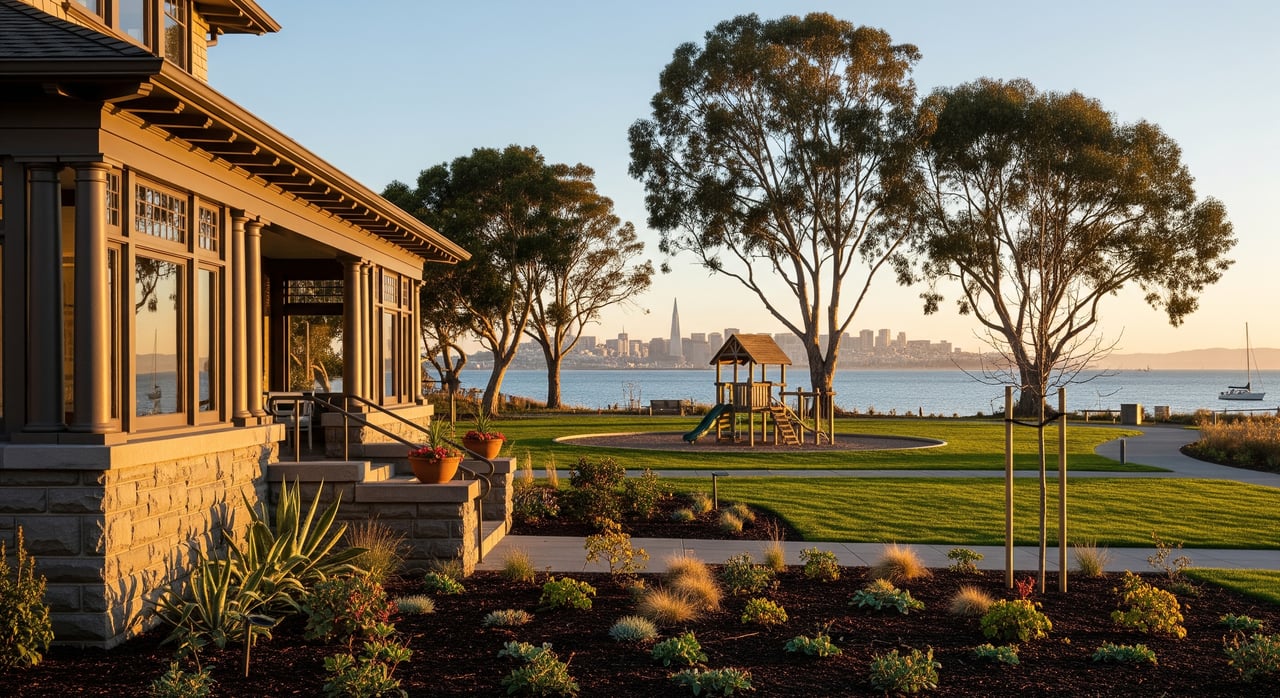
Lake Shore San Francisco Homes & Neighborhood Guide
February 5, 2026
February 5, 2026
Thinking about a quieter corner of San Francisco where you can still reach parks, schools, and daily conveniences with ease? If you’re exploring the southwest side, Lakeshore (also written as Lake Shore) might be on your list. You want a neighborhood that balances family life with a practical commute and accessible amenities. In this guide, you’ll learn how Lakeshore feels on the ground, what homes look like, how schools and childcare placement work in SF, and where you’ll spend weekends outside. Let’s dive in.
Lakeshore is a primarily residential area in southwest San Francisco. For this guide, the working boundary follows a common local convention based on the San Francisco Planning neighborhood map: residential blocks near the Lake Merced open space on the west and south, with 19th Avenue/Junipero Serra Boulevard to the east and Ocean Avenue to the north. Local usage varies, and some listings overlap with adjacent areas like Ingleside, Stonestown, Balboa Terrace, and parts of the Excelsior edges.
You’ll notice tree‑lined streets, more single‑family homes than in central San Francisco, and a calmer pace in the evenings. Yards and small front gardens appear more often here than in many inner neighborhoods. Parking can be easier on some blocks, though it tends to tighten near commercial corridors and transit lines.
A few things to keep in mind as you tour:
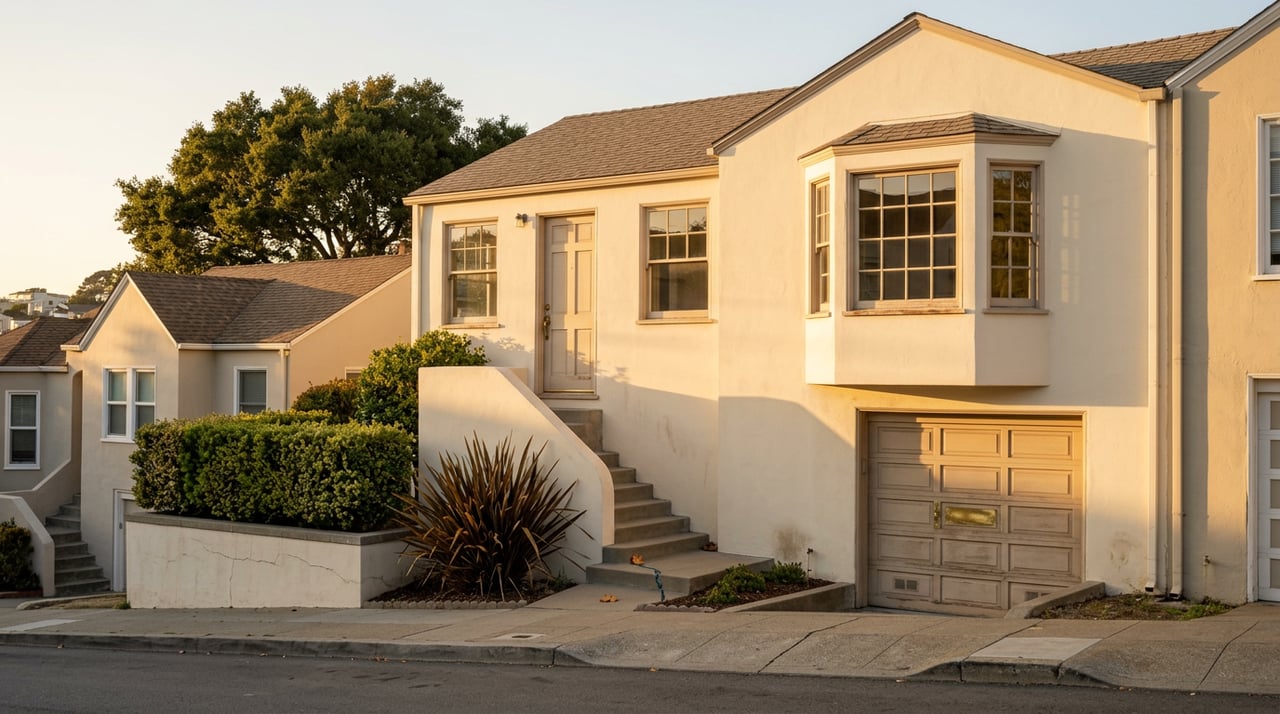
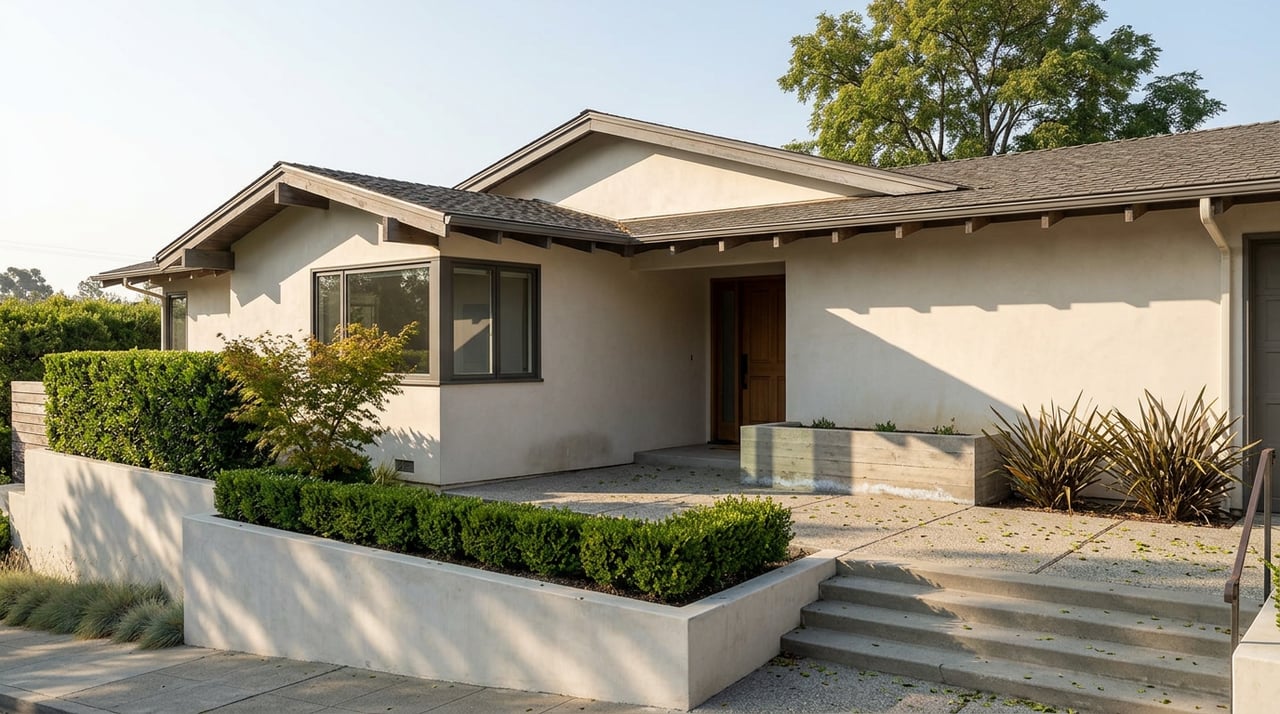
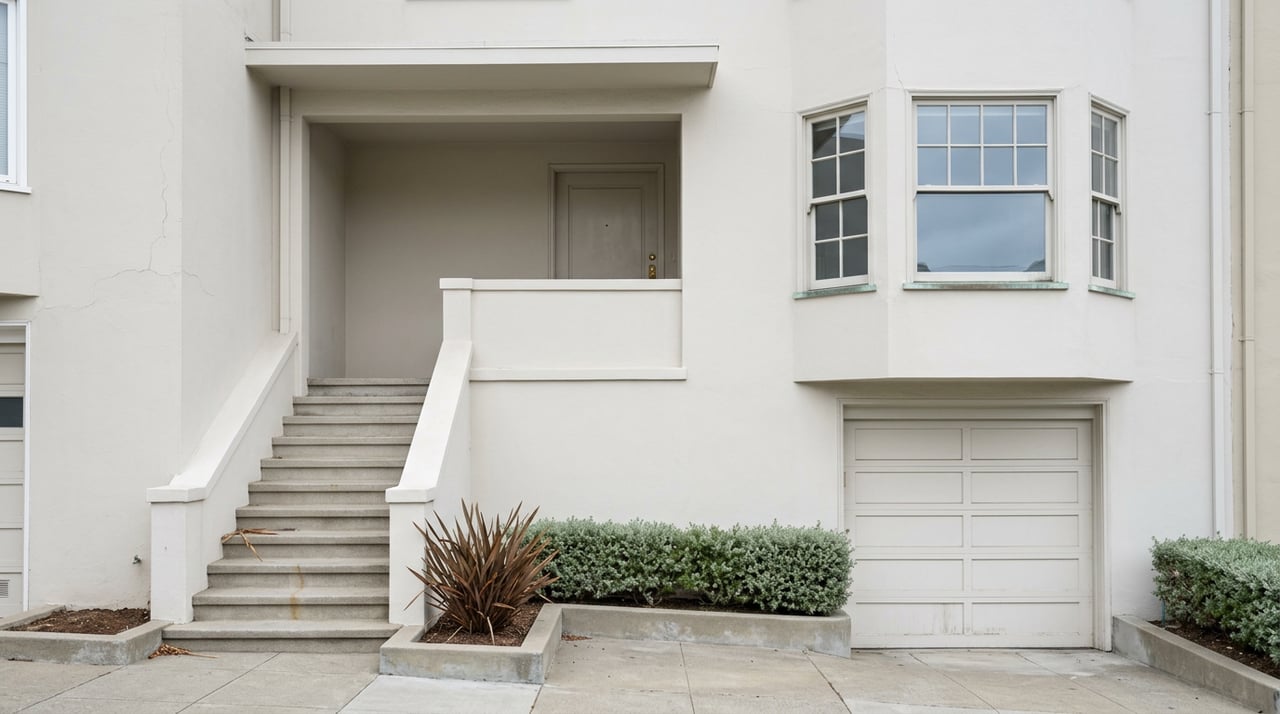
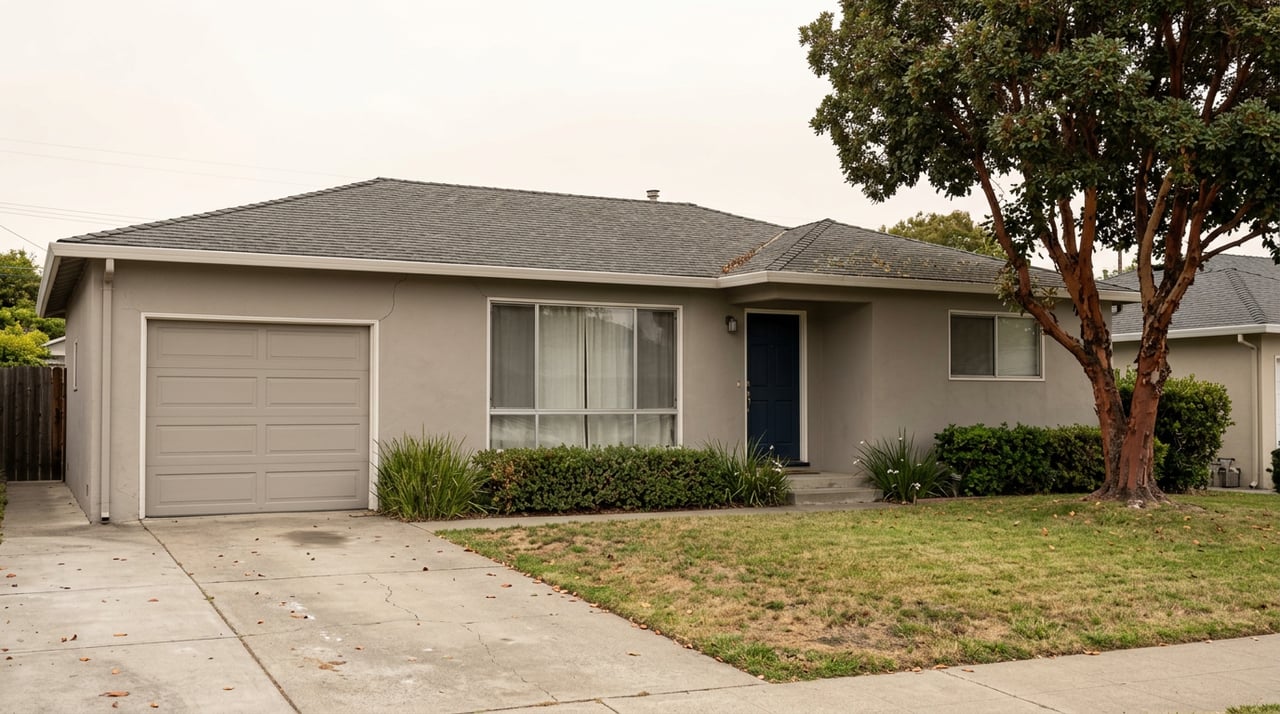
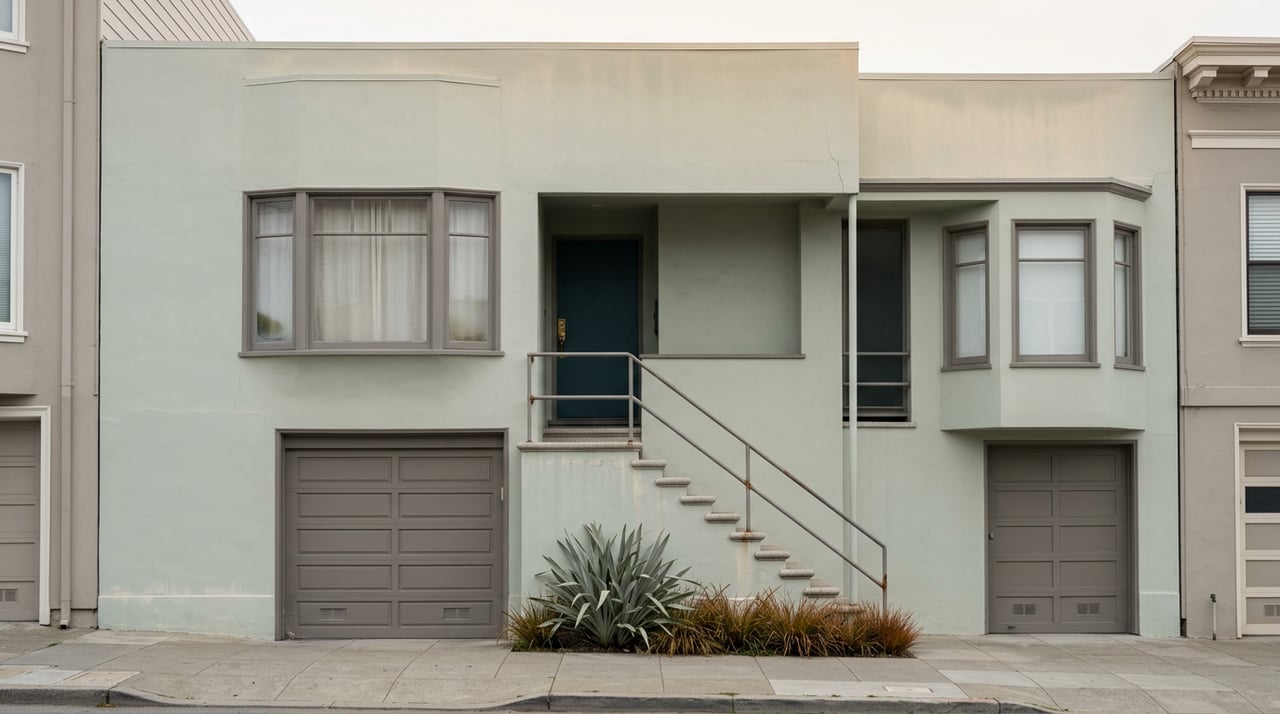
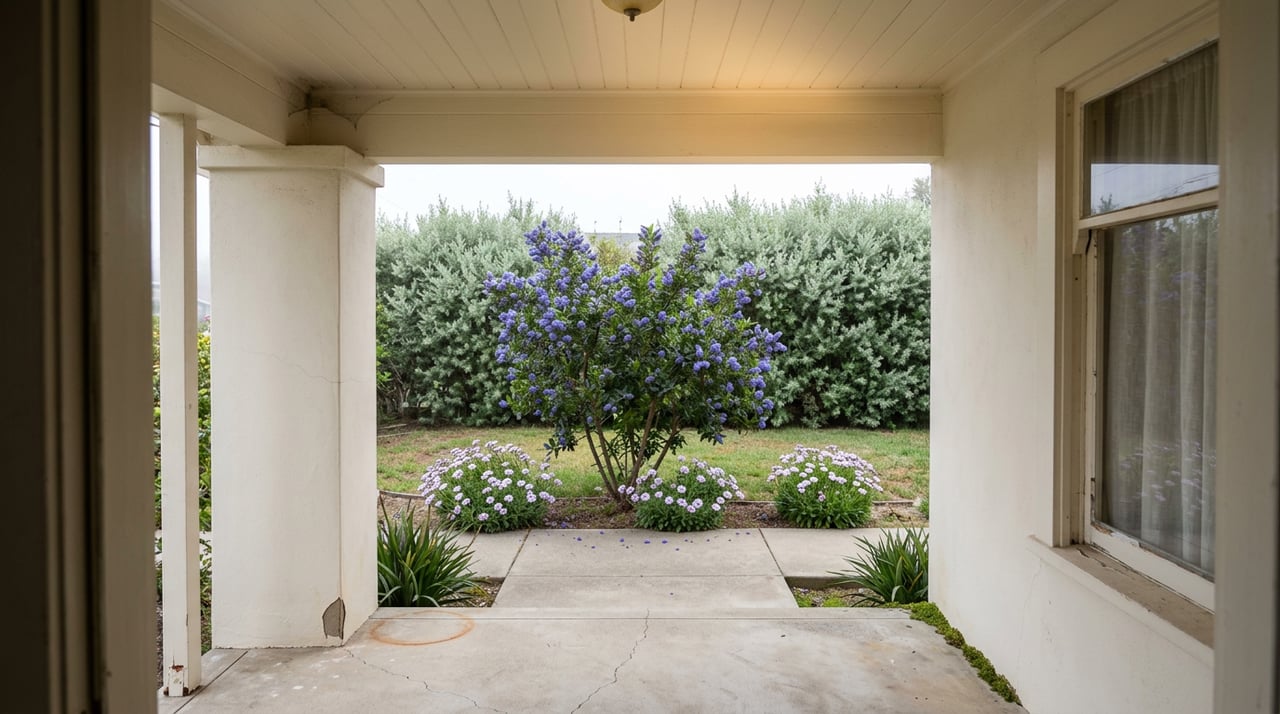
Lakeshore’s housing stock leans toward detached single‑family homes with a mix of 2–3 bedroom layouts, along with smaller multi‑unit buildings and low‑rise apartments near busier streets. You’ll see period styles from the early 20th century alongside mid‑century homes from the 1940s through 1960s. Stucco exteriors, modest front porches, and garage parking are common.
High‑rise condo towers are rare. Instead, you’ll find pocket infill or small contemporary renovations sprinkled in. Lots tend to offer more private outdoor space than inner neighborhoods, and many blocks include rear yards and detached or attached garages.
Older homes can be charming, but they often need updates. As you view properties, consider this practical checklist:
If you want current pricing, inventory, and days on market, ask your agent for up‑to‑date market snapshots and neighborhood comps. Conditions shift month to month, so rely on recent data for a clear picture of value.
San Francisco Unified School District (SFUSD) uses a citywide enrollment process with priorities and a lottery element for many programs. Your address, program preferences, and available seats all factor into placement. Attendance boundaries, feeder patterns, and program offerings can change, so it’s important to:
Because boundaries and feeder patterns shift, confirm current assignments directly with SFUSD before you make decisions tied to a specific address.
You’ll find a mix of preschools, family childcare homes, and community programs in and around Lakeshore. Availability can be limited, and waitlists are common. Plan ahead by:
Ratings and test scores offer one view but do not capture the full picture. To build a balanced perspective:
Lakeshore gives you quick access to some of the city’s largest open spaces.
San Francisco Recreation and Parks runs youth sports, classes, and seasonal programs. Schedules and facilities change as upgrades happen, so check current program listings and park project pages when you plan. Conditions like lighting, restrooms, and playground equipment vary by site.
If you bike or walk, you’ll appreciate the Lake Merced loop and neighborhood sidewalks that connect to nearby commercial corridors. Dedicated bike lanes and traffic conditions differ by street, so scout routes in person. For longer rides or runs, pair Lake Merced paths with neighborhood streets to create a loop that fits your routine.
Ocean Avenue and 19th Avenue/Junipero Serra corridors typically offer grocery stores, pharmacies, coffee shops, and quick eats. For larger retail and weekend errands, Stonestown Galleria sits adjacent to the neighborhood, and San Francisco State University lies farther north.
Southwest San Francisco is served by Muni light rail and bus lines that run along Ocean Avenue and 19th Avenue. Many residents rely on these lines for downtown commutes and school runs. For regional trips, Balboa Park BART is commonly the closest hub for many Lakeshore blocks. Driving times vary widely by time of day, especially on 19th Avenue and near freeway connections. Check live travel estimates during your typical commute window.
If you plan a car‑light lifestyle, review walk, transit, and bike ratings for specific addresses. Conditions can change block to block depending on hills, traffic, and nearby services.
You can access primary care, urgent care, and pharmacy options within a short drive of most Lakeshore addresses. If you have specific medical needs or preferred provider networks, confirm locations and travel times before you commit to a property.
Pros:
Considerations:
When you’re weighing Lakeshore, you want local guidance, not guesswork. Michael combines San Francisco neighborhood roots with a hands‑on process that saves you time. You’ll get:
Ready to explore Lakeshore with a trusted local advisor? Schedule your free neighborhood consultation with Michael Soon.
Stay up to date on the latest real estate trends.
Understanding his client's goals has helped Michael negotiate successful outcomes buyers and sellers on all types of properties throughout the San Francisco region. Real estate, whether buying or selling, can be quite a journey, and Michael will be there every step of the way.