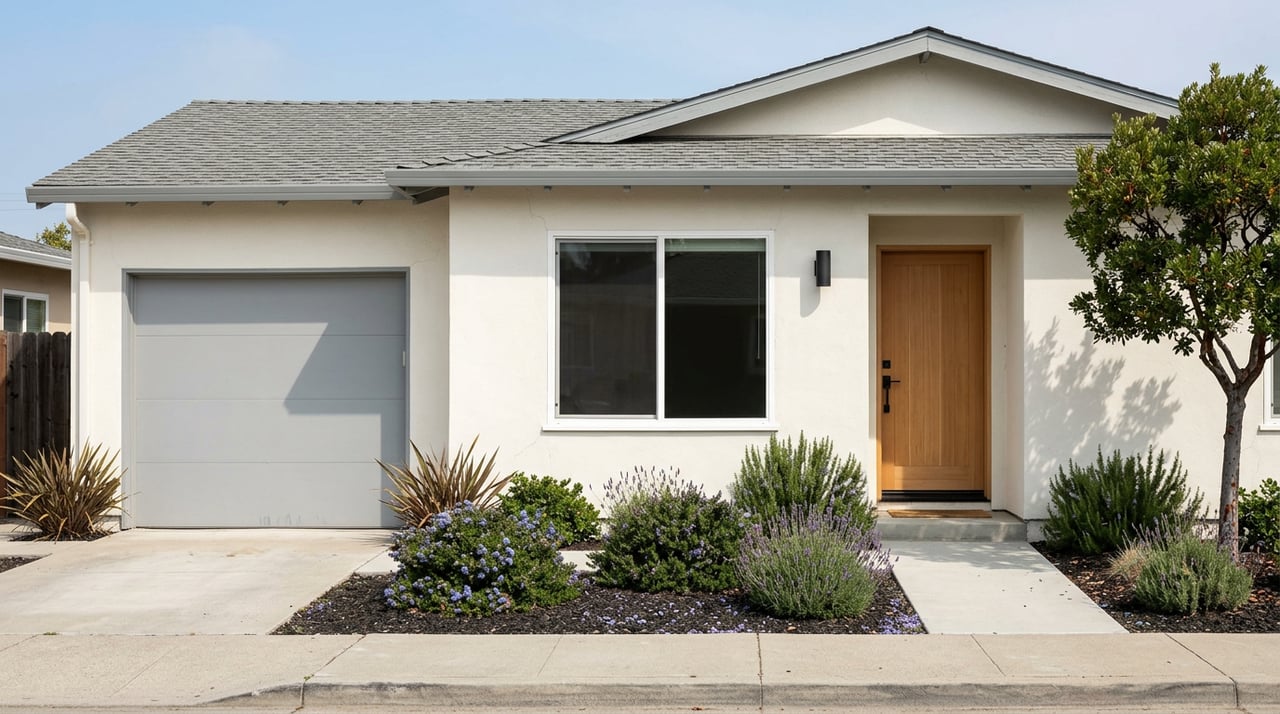
Key Steps to Buying a Single-Family Home in Daly City
March 5, 2026
March 5, 2026
Thinking about planting roots in Daly City but not sure where to start? You’re not alone. Between fast-moving listings, Bay Area contracts, and local inspections, the process can feel complex. This guide breaks the purchase into clear, practical steps tailored to Daly City, so you can shop with confidence, write a strong offer, and close smoothly. Let’s dive in.
As of early 2026, major market trackers place the typical single-family price band in Daly City around $1.08M to $1.2M. Local data can shift month to month, so use these numbers as a guide and confirm the latest sold comps before you write an offer.
Here’s how price tiers often break out for single-family homes:
Tip: Ask your agent for two or three recent sold examples in your target area to set a realistic budget and offer strategy.
Start with a full lender pre-approval, not just a pre-qualification. In competitive Peninsula markets, sellers expect a pre-approval letter and proof of funds with your offer. Your lender will review tax returns, pay stubs, and bank statements, then size your loan and down payment.
Gather these documents early:
Closing costs in San Mateo County often add about 2 to 5 percent of the purchase price. If you are a first-time or income-qualified buyer, ask a participating lender about California down payment assistance, such as the CalHFA homeownership programs and the GSFA down payment assistance options. Eligibility rules and limits can change, so have your lender confirm the latest guidelines.
Use price tiers plus lifestyle tradeoffs to narrow your search to one or two areas. Consider commute routes and BART access, lot size, topography (hillside vs flatter streets), and proximity to parks or coastal bluffs. For schools, look at official district resources and boundaries in a neutral way, then match those to your priorities and commute.
Be clear about what matters most to you. For example, if you prioritize shorter drive times and transit, focus on areas near BART. If you want a larger lot or room to expand, target blocks that typically offer more space. This clarity will guide faster, better decisions once the right home appears.
A complete, clean offer package helps you stand out. Include your lender pre-approval, proof of funds, and clear financing terms. In busier weeks, some buyers strengthen offers with larger deposits and tighter timelines, but only choose terms that fit your comfort and lender’s capacity.
Use only the tools that align with your risk tolerance. You can often achieve a strong position with a well-supported price, solid financing, and clean terms.
In California, the Residential Purchase Agreement (RPA) includes default contingency deadlines that you can negotiate. The most common starting points are a 17-day inspection period and a 17 to 21-day loan and appraisal window. You must remove contingencies in writing by the deadline, or the seller may issue a Notice to Buyer to Perform. Review the mechanics in this California RPA overview.
A simple timeline example:
Shorter timelines are more competitive but increase risk. If you shorten your inspection window, schedule inspectors immediately and consider targeted pre-offer evaluations when available.
Plan for a full home inspection that meets recognized standards. Review systems like the roof, foundation, plumbing, electrical, and HVAC. The ASHI home inspection guide explains what to expect and why attending the inspection helps.
Your lender will order the appraisal shortly after acceptance. If the value comes in short, you can try to renegotiate, bring in additional cash, or contest the appraisal with comparables. If you kept an appraisal contingency, you can cancel if needed within the deadline.
Title and escrow: You will receive a preliminary title report early. Review easements, liens, and any exceptions with your agent and escrow officer. Financed escrows commonly close in about 30 to 45 days, depending on underwriting, appraisal timing, and document delivery. Budget for title and escrow fees, recording, prepaid interest, property taxes, homeowner’s insurance, and any HOA-related costs.
California law requires key disclosures. Expect a Transfer Disclosure Statement (TDS) and a Natural Hazard Disclosure (NHD) if applicable. For homes built before 1978, federal law requires a lead-based paint disclosure and gives you the right to a 10-day inspection period unless you waive it. Review the EPA’s overview of the lead-based paint disclosure rule as you plan your due diligence.
In San Mateo County, a purchase typically triggers a supplemental property tax assessment. Expect a separate bill prorated for the remainder of the fiscal year. For context on county assessments and roll updates, review the San Mateo County Assessor’s guidance. Ask your escrow team about typical timing and whether any holdback is needed.
Set aside reserves for early maintenance, insurance renewals, and utilities. If you bought a hillside or coastal property, keep an eye on drainage, roof, and exterior maintenance in the first rainy season.
Buying in Daly City can move quickly, but a calm, step-by-step plan will keep you ahead of the curve. If you would like a local strategy tailored to your budget and timeline, schedule a free neighborhood consultation with Michael Soon.
Stay up to date on the latest real estate trends.
Understanding his client's goals has helped Michael negotiate successful outcomes buyers and sellers on all types of properties throughout the San Francisco region. Real estate, whether buying or selling, can be quite a journey, and Michael will be there every step of the way.