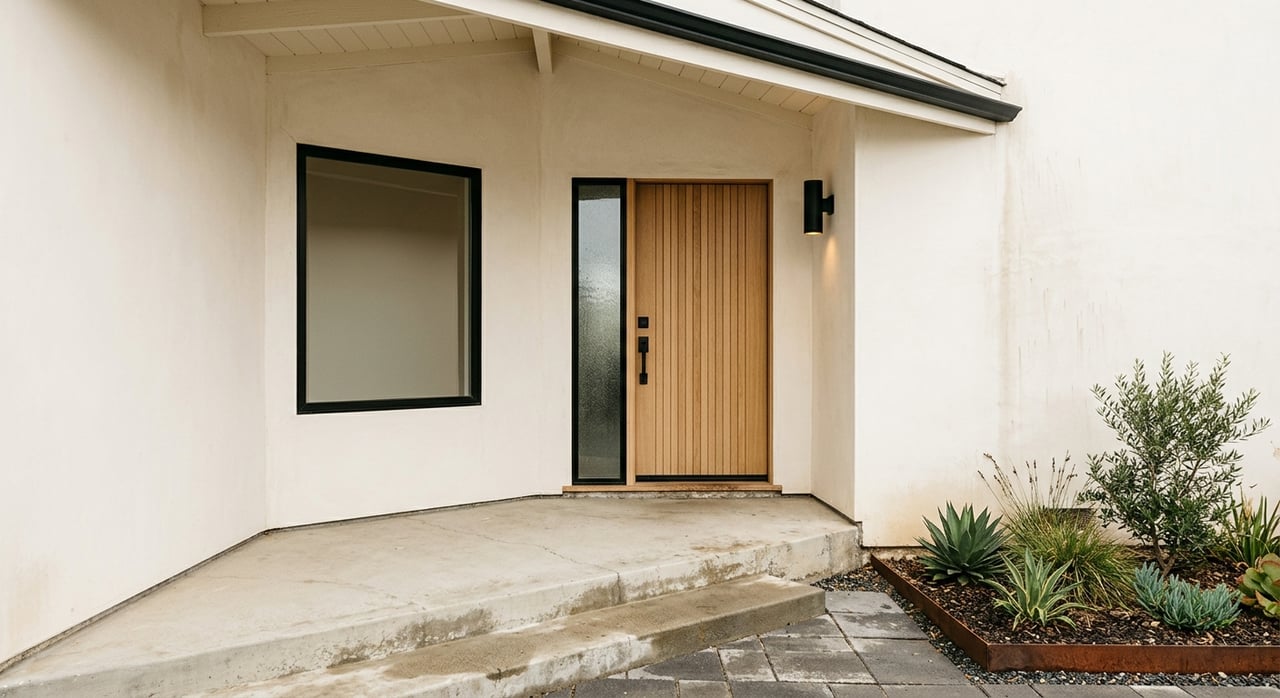
Living in Pacifica California: A Local Lifestyle Guide
May 7, 2026
May 7, 2026
Dreaming of a Bay Area home where the ocean is part of your everyday routine? Pacifica offers a coastal lifestyle that feels refreshingly different from denser nearby cities, with beaches, hillsides, and neighborhood pockets that each have their own personality. If you are wondering what it is really like to live in Pacifica, this guide will help you understand the setting, housing mix, commute patterns, costs, and day-to-day lifestyle so you can decide whether it fits your goals. Let’s dive in.
Pacifica is a coastal city in San Mateo County with about 37,056 residents as of the 2024 estimate. It covers 12.58 square miles and has a population density of roughly 3,070 people per square mile.
What makes Pacifica stand out is its setting. The city is framed by the Pacific Ocean and the Coast Range, with more than six miles of beaches and more than 1,000 acres within the Golden Gate National Recreation Area. Instead of feeling like one compact downtown city, Pacifica feels more like a string of beach communities connected along the coast.
One of the first things you notice about Pacifica is that it does not revolve around a single town center. According to the City of Pacifica, shopping and everyday services are spread across small commercial pockets along Highway 1, while many homes sit in valleys or on hillsides away from the main road.
That layout shapes daily life. In some areas, you can get to the beach, a local shop, or a restaurant fairly easily, while in other areas you will likely rely more on driving for errands. If you are used to a more urban grid, Pacifica may feel quieter, more residential, and a bit more spread out than its size suggests.
Pacifica’s neighborhoods vary quite a bit in housing style, setting, and overall feel. That can be a major plus if you want choices within the same city.
Fairmont is known for mostly developer-built homes, strong views, and convenient access to a major shopping area near Highway 1 and Highway 35. If convenience matters but you still want a coastal setting, this area often gets attention.
Edgemar has earlier roots and includes many 1940s homes, along with newer pockets and some cliffside condominiums. It offers a mix of older character and newer housing options, which can appeal to buyers looking for variety.
Sharp Park is one of the older parts of Pacifica. The neighborhood includes converted summer cottages, modern custom homes, a mobile home park, and a one-mile beach promenade with a pier.
Rockaway Beach is one of the city’s best-known visitor areas. You will find restaurants, hotels, shops, and custom contemporary homes inland, giving the area a more active coastal vibe.
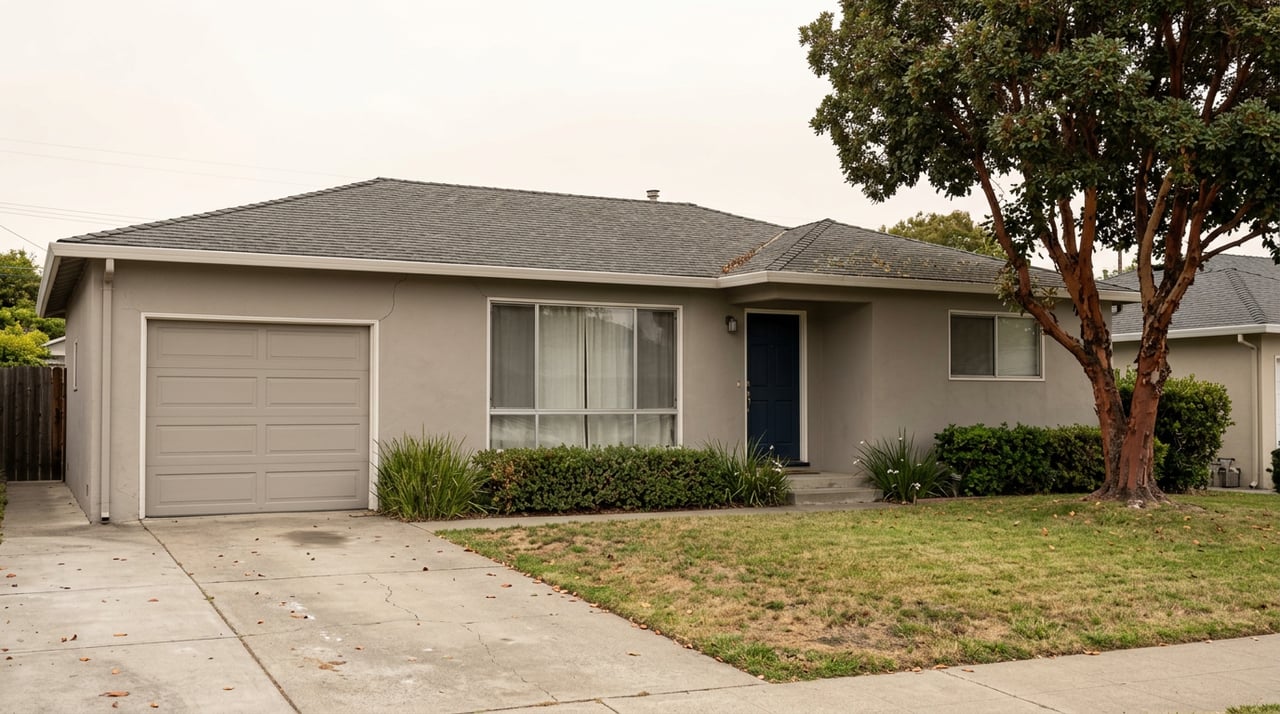
Linda Mar is Pacifica’s largest neighborhood and is known for 1950s- and 1960s-era tract homes, parks, a community center, and direct beach access. For many buyers, it represents a classic Pacifica mix of residential living and easy access to outdoor recreation.
Nearby areas like Pacific Manor, Westview, Pacific Highlands, and Fairway Park are largely mid-century neighborhoods with view lots and a strong suburban feel. These areas often appeal to buyers who want more of a neighborhood setting while staying close to the coast.
Vallemar offers a quieter, more wooded setting with bungalows, custom homes, and a rustic valley feel. If you prefer a less polished, more tucked-away atmosphere, this part of Pacifica may stand out.
Park Pacifica and Pedro Point are known for larger 1970s homes, steep hillside streets, and dramatic views. These neighborhoods highlight one of Pacifica’s biggest lifestyle themes: the scenery can be incredible, but the terrain and layout can shape how you move through your day.
If you love being outside, Pacifica has a lot to offer. The city says its seven-mile waterfront trail connects Sharp Park Beach, Mori Point, Calera Creek, Rockaway Beach, and Pacifica State Beach, creating continuous oceanfront walking access along the coast.
Pacifica State Beach is a major lifestyle draw. It offers surfing, surf camps, restrooms, showers, and dog-friendly shoreline access, with dogs required to be leashed. For many residents, having this kind of beach access close to home is one of the biggest reasons Pacifica feels special.
Pacifica is not just about the shoreline. Mori Point, a 110-acre Golden Gate National Recreation Area site, offers blufftop views, boardwalks, spring wildflowers, and restored habitat.
San Pedro Valley Park brings a different outdoor experience with 1,052 acres in the foothills of Pacifica. It includes hiking trails, a visitor center, a self-guiding nature trail, picnic areas, and seasonal waterfall views.
Devil’s Slide Trail adds another option for walking, biking, and taking in the coast. It is a 1.3-mile paved multi-use trail on a former Highway 1 segment, and San Mateo County advises using public transit on weekends because parking can fill quickly.
Sweeney Ridge expands the outdoor network even further. With a 1,200-foot summit and broad Bay Area views, it reinforces that Pacifica offers access to a much larger system of open space, not just a beach town experience.
Pacifica has a mild coastal climate that supports year-round outdoor living, but it stays cooler than many inland Bay Area locations. NOAA normals for the Pacifica 4 SSE station show an average annual temperature of 57.4°F.
Winter average highs are generally in the upper 50s to low 60s, while summer average highs are typically in the upper 60s to low 70s. Annual precipitation averages 31.88 inches, and the same data shows no measurable snowfall.
For daily life, that means you can spend time outside in every season, but you will want to be comfortable with cooler ocean-influenced weather. If you prefer hot summers, Pacifica may feel too cool. If you like a moderate climate, it can be a strong fit.
Pacifica looks close to San Francisco on a map, and the city notes it is about three miles from San Francisco’s southern border and less than 20 minutes from downtown. In practice, commuting is often more about driving and bus connections than a rail-first routine.
SamTrans connects Pacifica with the Coastside, and routes 110, 117, and PCX serve Linda Mar. The PCX is a weekday express connection between Linda Mar Park & Ride and Daly City BART, while Route 110 also connects Linda Mar Park & Ride and Daly City BART.
The city’s layout matters here. Because Pacifica does not have one central downtown and many homes sit off Highway 1, getting around can take longer than you might expect. The Census Bureau reports a mean commute time of 28.3 minutes, which reflects the tradeoff many residents make for coastal living.
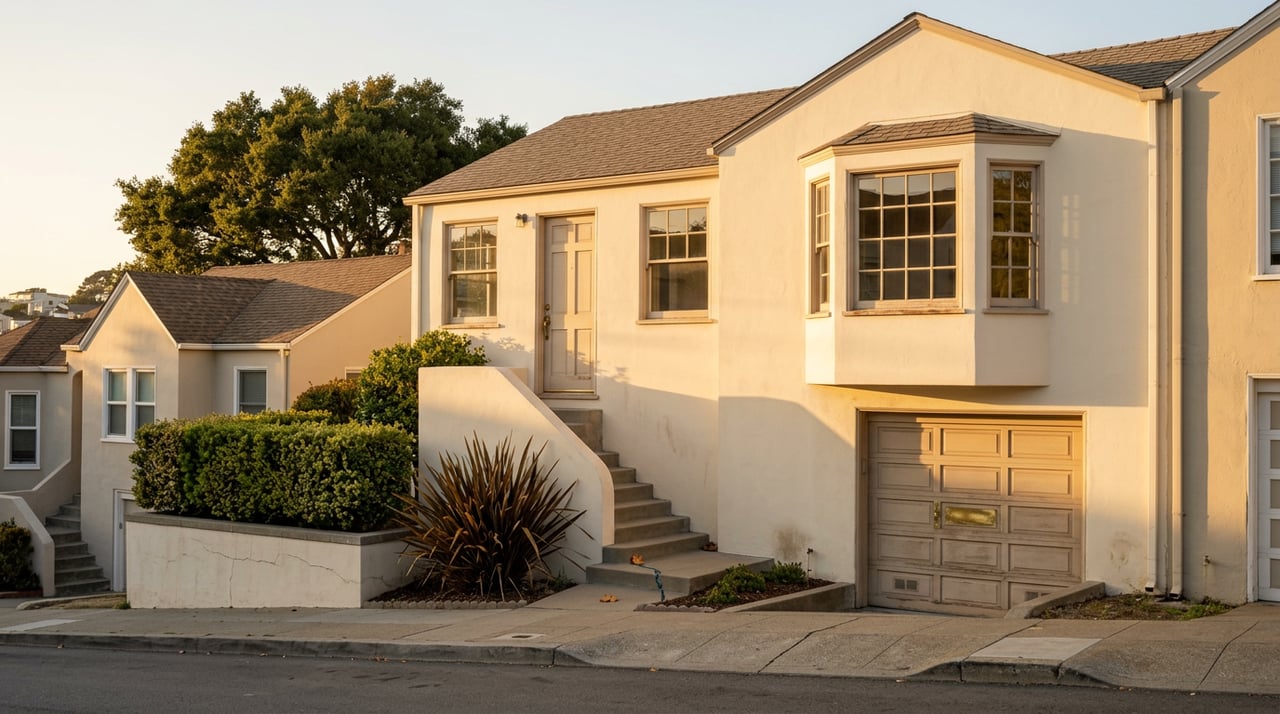
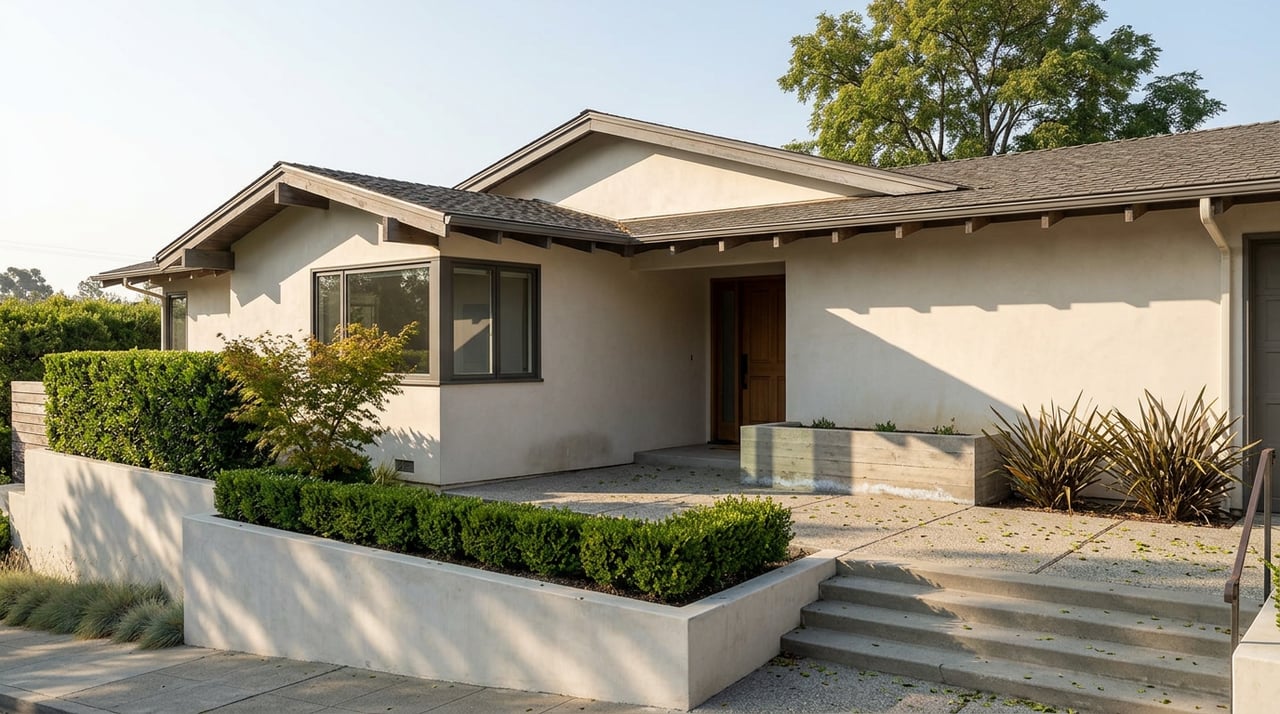
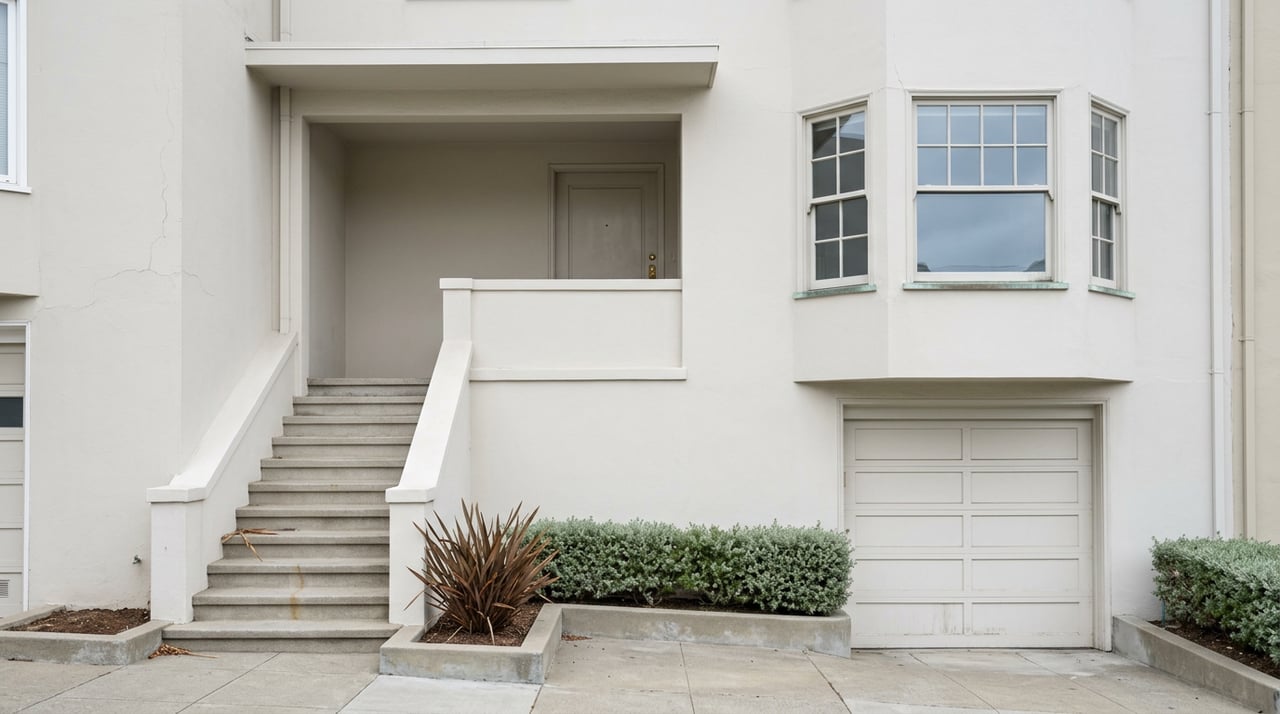
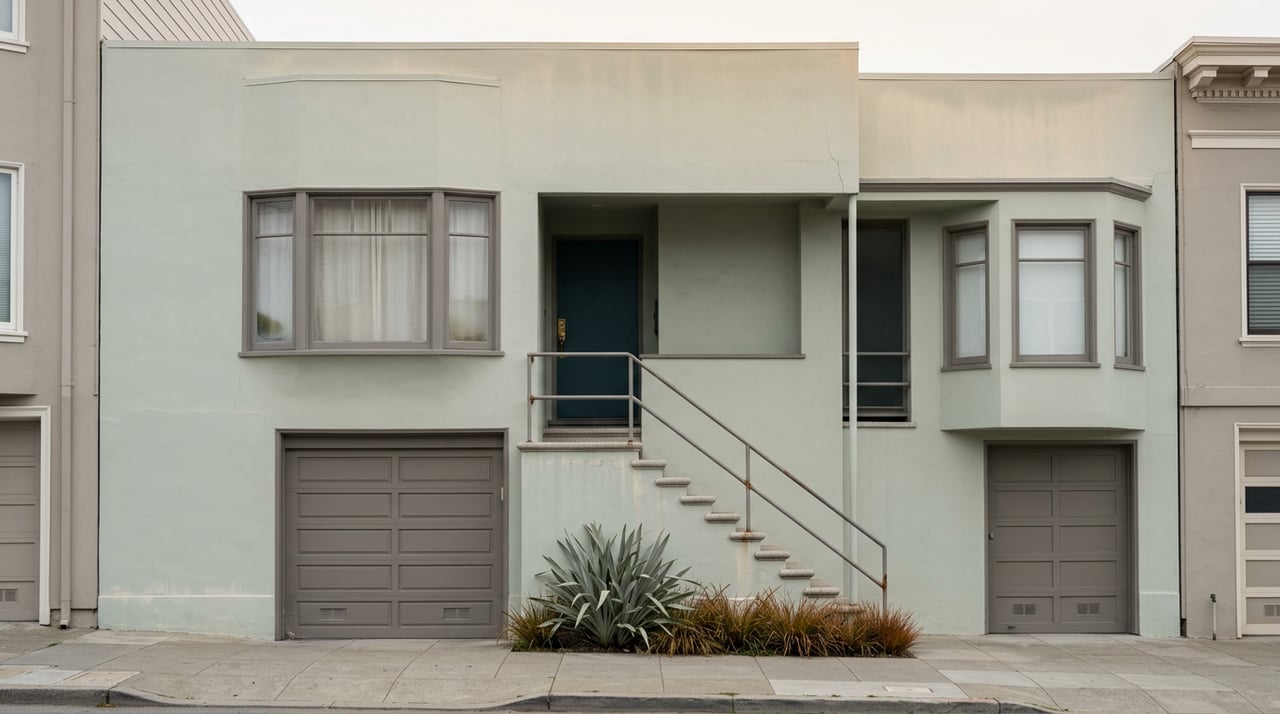
Pacifica has a broad housing mix. Across the city, you will find mid-century tract homes, older cottages, hillside custom homes, condominiums in select areas, apartment buildings, and even a mobile home park in Sharp Park.
That variety is helpful because buyers and renters are not limited to one housing type. Still, Pacifica is firmly a high-cost coastal market. Census QuickFacts reports a 68.5% owner-occupied housing rate, a median owner-occupied home value of $1,211,700, median monthly owner costs of $3,781 with a mortgage, and a median gross rent of $3,080.
Research in the report also notes a March 2026 median sale price of $1.3 million, with homes averaging 11 days on market. Taken together, those numbers suggest steady demand and pricing that reflects Pacifica’s location, scenery, and limited coastal inventory.
The honest answer is: it depends on where you live. Some beach-adjacent pockets offer easier access to restaurants, trails, and shoreline amenities, but Pacifica is not organized around a single walkable downtown.
Because shopping and services are spread out along Highway 1, many residents still use a car for everyday errands. If walkability is high on your list, it is worth looking closely at how each neighborhood connects to the places you expect to use most.
Pacifica often appeals to people who want a coastal setting without being in the middle of a larger urban environment. The lifestyle can be especially attractive if you value ocean access, trails, scenic views, and a more residential pace.
It can also work well if you commute to San Francisco or parts of the Peninsula and are comfortable balancing that access with a less centralized city layout. On the other hand, if you want a highly walkable downtown, hot summer weather, or a lower-cost market, Pacifica may feel like a compromise.
Before choosing Pacifica, it helps to think through your daily habits and priorities. A city can look perfect online, but the right fit usually comes down to how you want to live day to day.
Here are a few questions to ask yourself:
If your answers lean toward outdoor living, scenic surroundings, and a quieter coastal feel, Pacifica may be a strong match.
Pacifica offers a lifestyle that is hard to fake. It is scenic, relaxed, and shaped by the coastline in a very real way, from the weather to the views to the way neighborhoods are laid out. If you are considering a move here, taking time to compare neighborhoods, commute patterns, and housing options can help you find the part of Pacifica that best fits your routine and long-term plans.
If you want help understanding how Pacifica compares with nearby Peninsula and San Francisco markets, or you are thinking about buying, selling, renting, or investing along the coast, Michael Soon can help you map out the right next step.
Stay up to date on the latest real estate trends.
Understanding his client's goals has helped Michael negotiate successful outcomes buyers and sellers on all types of properties throughout the San Francisco region. Real estate, whether buying or selling, can be quite a journey, and Michael will be there every step of the way.