Selling Your Sunset District Home: Pricing & Prep Essentials
March 24, 2026
March 24, 2026
Thinking about selling your Sunset District home but not sure where to start? You are not alone. Pricing in a shifting market and deciding which fixes or updates are worth it can feel overwhelming. In this guide, you will get a clear plan tailored to the Sunset’s micro-markets so you can price with confidence, prep efficiently, and launch at the right time. Let’s dive in.
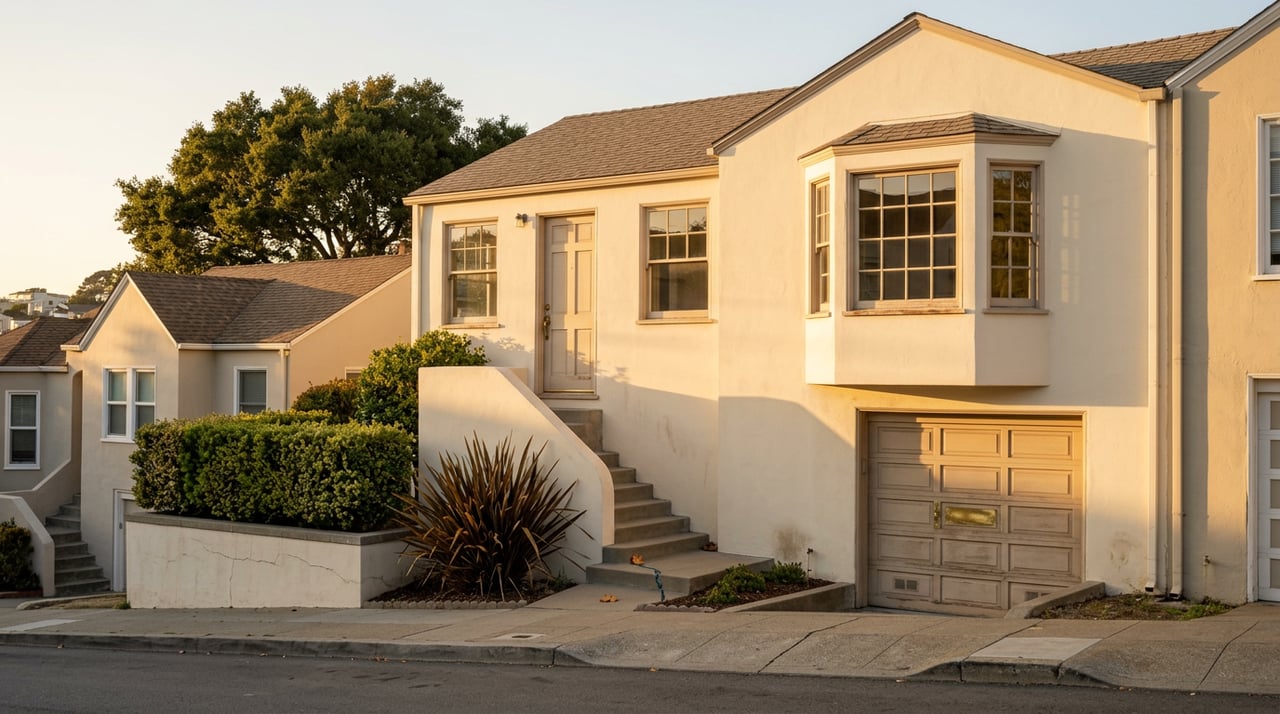
The Sunset is not one-size-fits-all. Inner Sunset, Central and West Sunset, Golden Gate Heights, Parkside, and Outer Sunset each attract different buyers and price differently based on proximity to Golden Gate Park, the beach, retail corridors, and transit. Recent aggregator snapshots have shown medians ranging roughly from the mid six figures to low seven figures, with examples around 1.56M to 1.88M depending on the source and timing. Use these only as directional markers and rely on a block-level CMA for final pricing.
For a reality check on district-level performance, review local MLS summaries and district reports. The San Francisco Association of REALTORS publishes annual data that helps confirm demand patterns across districts and price bands. As you look at the map, keep your eye on recent closed sales within 30 to 90 days, the usable room count, lot footprint, and whether improvements are permitted. That precision is what keeps your pricing on target.
Start with a tight CMA built from the MLS. Match homes by block and micro-pocket, square footage and bedroom count, permitted versus unpermitted areas, and the most recent closed sales. Aggregator medians can illustrate momentum, but your pricing should anchor to comparable homes that appraisers and buyers will use.
Plan to capture attention early. The first 7 to 14 days on market are when serious buyers are most engaged and new listings get the most visibility. A competitive list price paired with great presentation often outperforms a high price that forces later reductions. If your timeline allows, consider listing in late spring or early summer when many buyers plan around school schedules.
If you are targeting buyers tied to school timing, check the current SFUSD calendar before you set a launch date. School calendars can shift, which may affect peak showing windows and weekend traffic. Aligning with those rhythms can improve attendance at open houses and offer activity.
A clean disclosure and inspection package builds trust and can prevent renegotiation later. Many sales issues stem from the same categories: roof life and flashing, evidence of water intrusion or drainage problems, electrical safety, plumbing, HVAC function, and any unpermitted structural changes. A pre-list inspection or targeted trade inspections let you decide what to repair, what to disclose, and how to price.
Permits matter in San Francisco. Confirm permit status for structural work, roof replacements, unit conversions, and major mechanical or electrical upgrades. If you discover unpermitted work that affects structure, egress, or utilities, it can slow a transaction or require retroactive permits, so plan ahead.
If your property is part of a multi-unit wood-frame building, check whether it falls under the city’s Mandatory Soft-Story Retrofit Program. Buyers will ask, and the building’s compliance status is a material disclosure item.
As of March 2026, California sellers must provide the Transfer Disclosure Statement and Natural Hazard Disclosure for most residential sales. Recent state legislation also adds specific environmental-type disclosures. For example, AB 455 creates a statutory disclosure related to known thirdhand smoke residue and a history of onsite smoking for sales covered by a TDS. Confirm the current forms with your agent when you prepare your disclosure packet.
Not every project pays back the same. Cost vs. Value data shows that targeted, practical updates tend to recoup more than large luxury remodels just before selling. In recent reporting, garage door replacement delivered a very high average cost recoup nationally, and minor kitchen refreshes also performed well. These are the types of upgrades that lift first impressions and can support appraisal outcomes without overextending your budget.
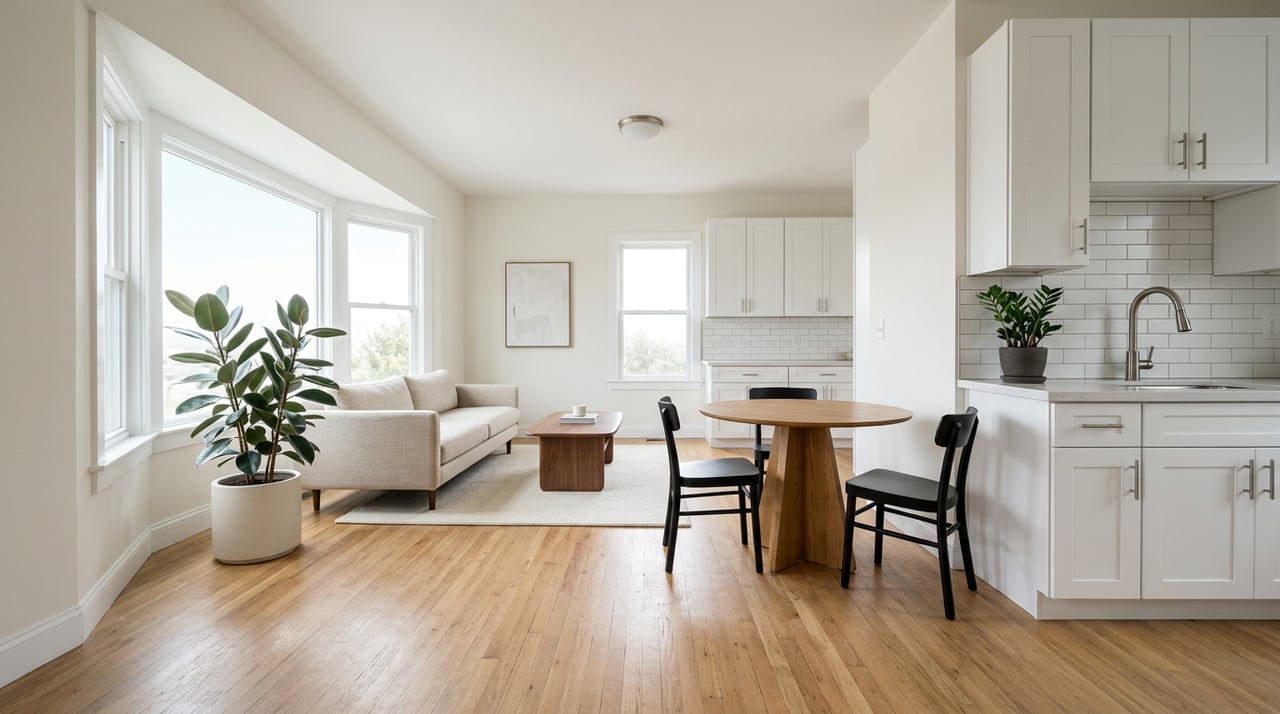
Staging helps buyers see how they will live in the home. National research finds that many buyer agents say staging makes it easier for clients to visualize the property as a future home, and nearly a third of listing agents reported that staging produced higher offers. It can also shorten time on market when combined with strong photography.
Budgeting for staging depends on whether the home is occupied or vacant. National ranges for light occupied staging often fall in the high hundreds to low thousands, while furnishing a vacant home can cost more on a per-room basis each month. Local San Francisco rates can run higher due to logistics and demand, so build that into your plan.
Tips that resonate with Sunset buyers:
If you plan to sell within the next year, a phased plan keeps you in control of cost and timing.
6 to 12 months out:
3 to 6 months out:
0 to 8 weeks out:
You want a partner who knows the Sunset block by block and can manage the details that drive your net proceeds. Michael B. Soon pairs deep neighborhood roots in the Sunset with Compass-level listing execution to deliver a smooth, data-informed sale. You get hands-on project management for repairs and staging, strategic pricing based on current MLS comps, and premium photography and marketing.
If you prefer a streamlined prep process, ask about using Compass Concierge to fund approved improvements that help your home show at its best. Michael’s multilingual service in English, Mandarin, and Cantonese makes communication clear for a wide range of Bay Area buyers. From permit checks to open houses to escrow, you will have a responsive, detail-focused advisor at your side.
Ready to talk timing, pricing, and a personalized prep plan for your Sunset home? Schedule a free neighborhood consultation with Michael Soon. You will walk away with a block-level CMA, a prioritized project list, and a clear launch strategy tailored to your goals.
Stay up to date on the latest real estate trends.



Understanding his client's goals has helped Michael negotiate successful outcomes buyers and sellers on all types of properties throughout the San Francisco region. Real estate, whether buying or selling, can be quite a journey, and Michael will be there every step of the way.