San Francisco West Side Multi-Unit Investing Insights
May 21, 2026
May 21, 2026
Looking for a small multi-unit property on San Francisco’s west side? You are not alone. This part of the city draws investors and owner-occupants who want neighborhood-based demand, more stable long-term appeal, and a different feel than downtown inventory. If you are weighing a duplex, fourplex, or small apartment building, it helps to understand how the west side’s housing stock, rent rules, and financing realities shape the numbers. Let’s dive in.
San Francisco’s west side is still a relatively low-density part of the city. According to San Francisco Planning, most housing stock in western and southern neighborhoods is in one-unit buildings, and more than 75% of units in southwestern neighborhoods are in one-unit buildings. That matters because small multi-unit opportunities exist, but they are a smaller share of the housing mix than in denser parts of San Francisco.
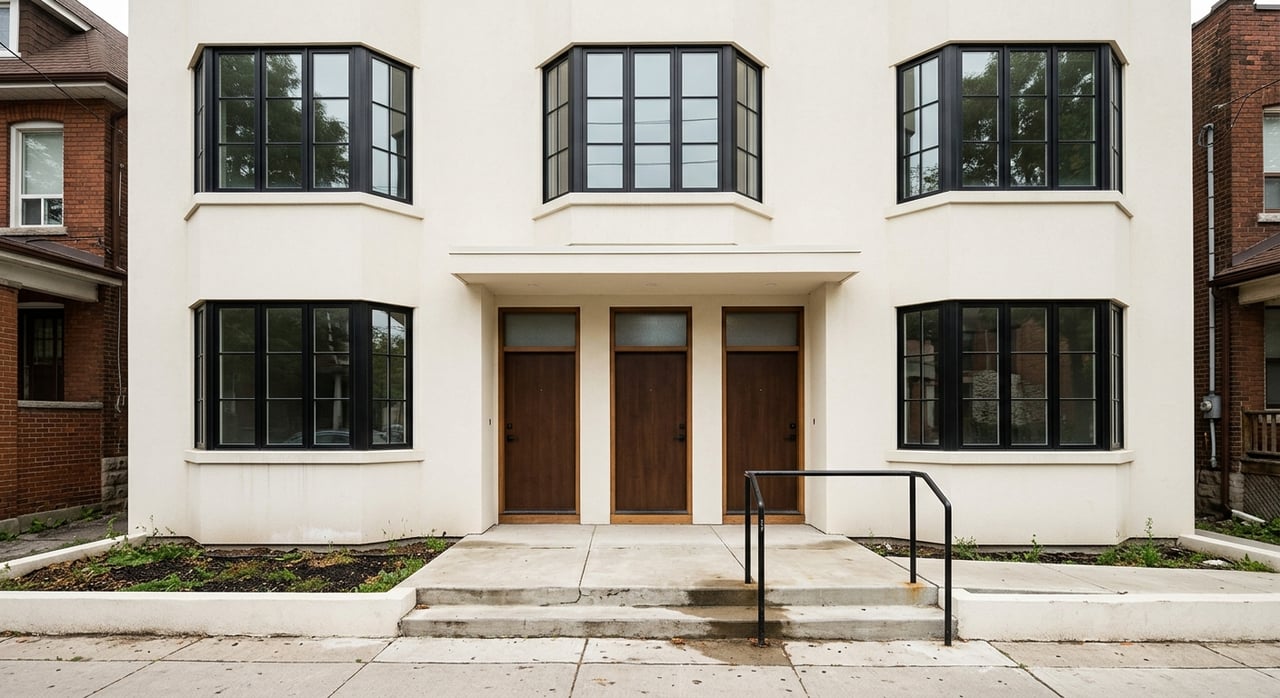
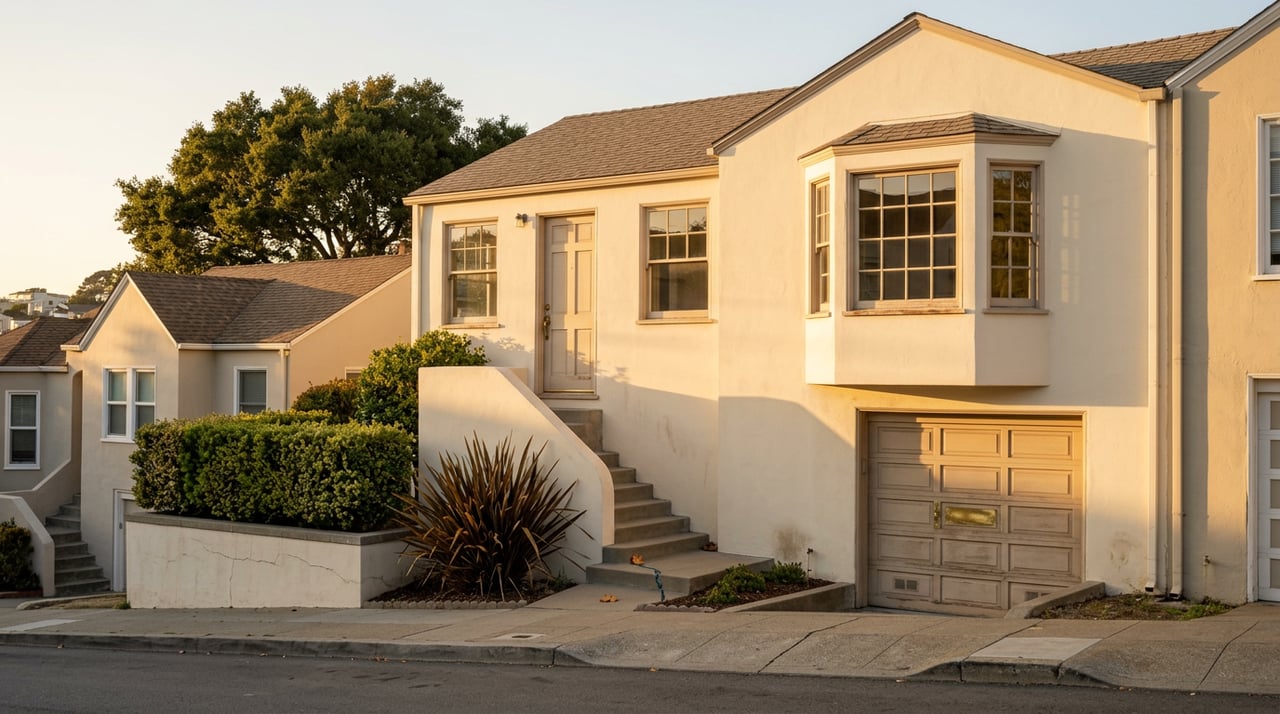
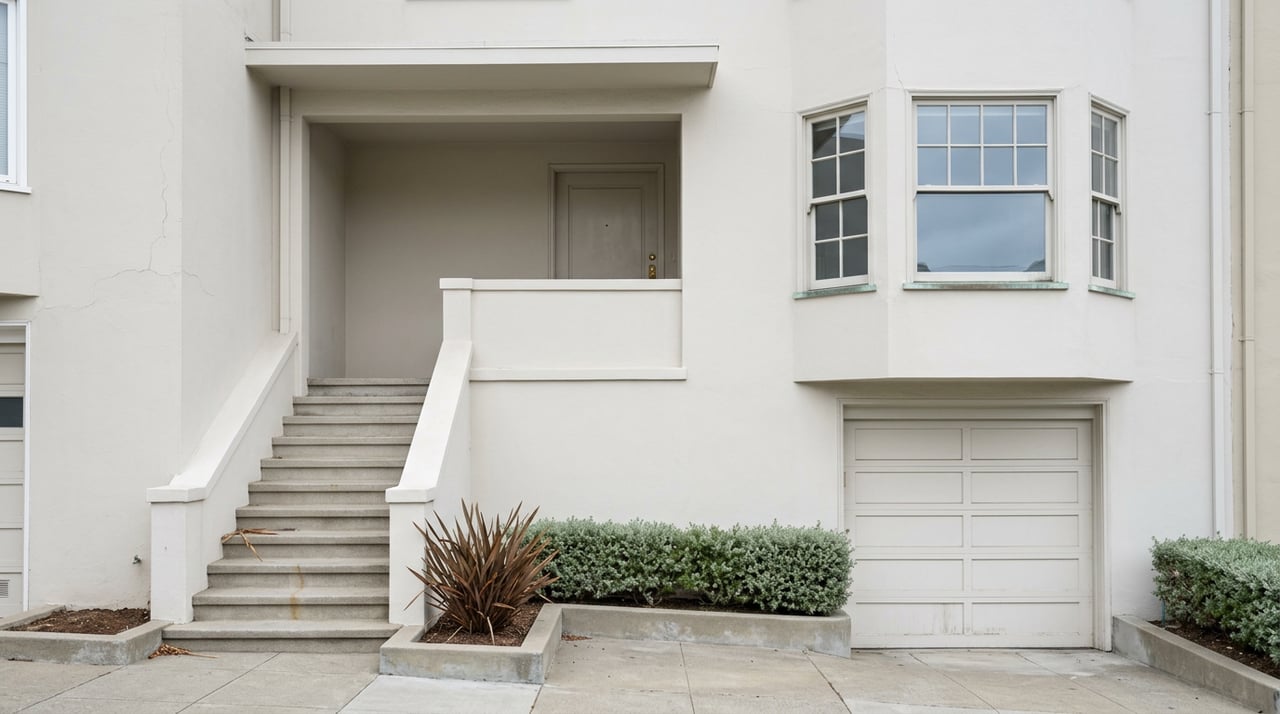
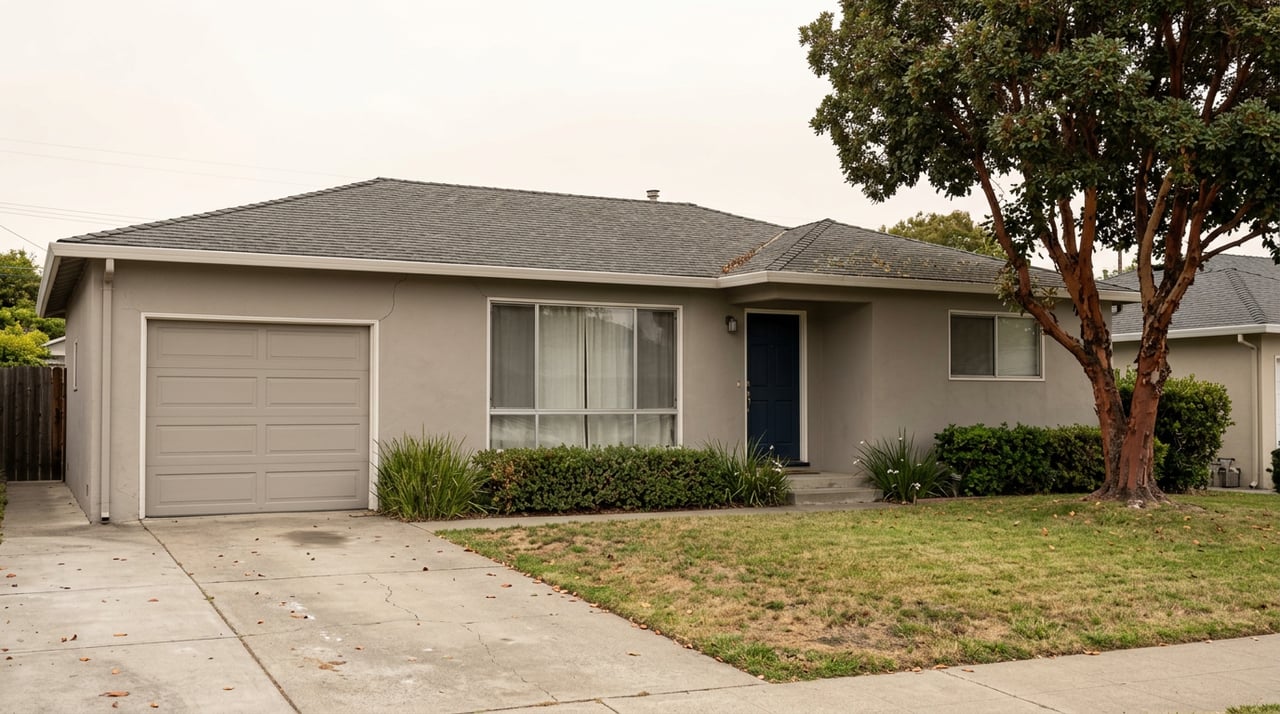
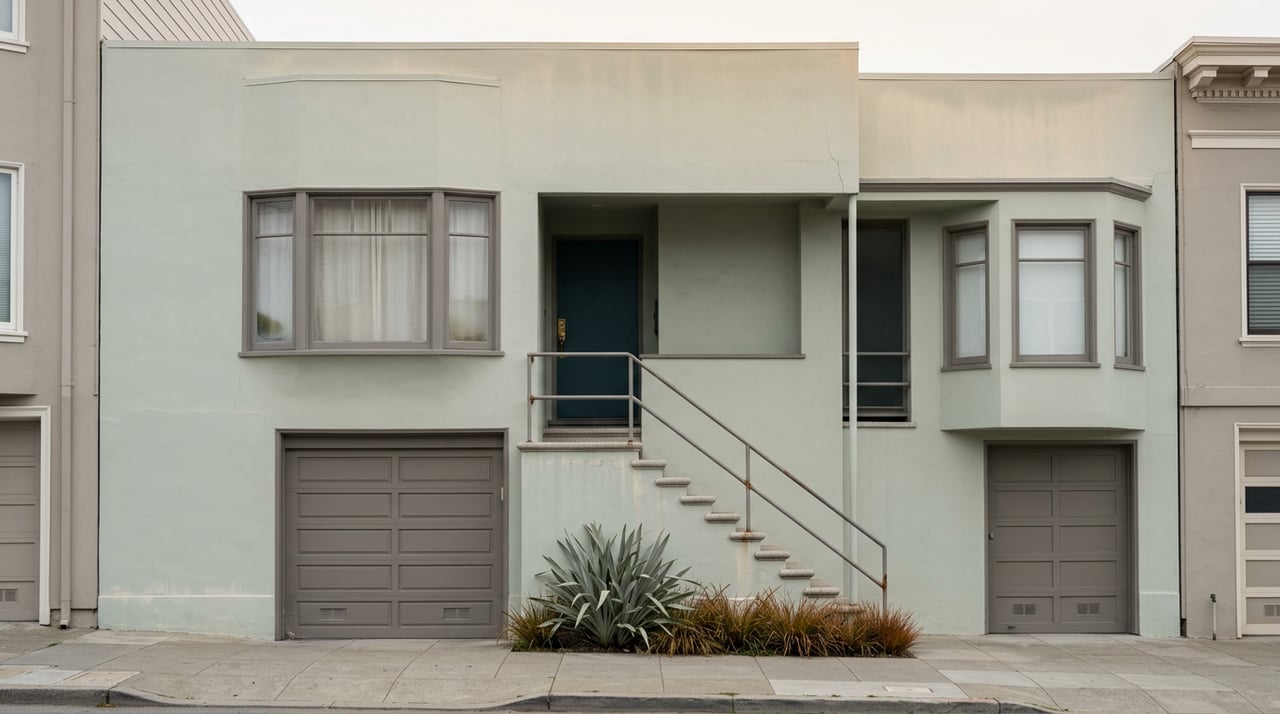
On the ground, that means you will often see a mix of single-family homes, duplexes, fourplexes, and smaller apartment buildings. In areas like the Sunset, San Francisco Planning notes rows of similarly massed single-family homes along with clusters of duplexes and apartment buildings, especially near corridors like Judah and Kirkham. Many of these buildings also share familiar west-side features such as stucco exteriors, integrated garages, flat or low-pitched roofs, and bay windows.
For investors, the big takeaway is simple: supply is limited, and much of the existing inventory is older. San Francisco’s 2025 Family Zoning Plan is intended to add housing capacity in western and northern neighborhoods, including more fourplexes, ADUs, townhomes, and mid-sized multifamily buildings. Even so, today’s resale market is still largely defined by older, lower-density parcels.
West-side demand tends to be tied to everyday livability. This is not the same tenant profile you might expect in a more luxury-leaning downtown setting. The west side often attracts renters who value parks, transit access, neighborhood businesses, and a quieter residential environment.
Research cited in the report points to demand that likely includes long-term local renters, households connected to UCSF and nearby medical employment, and people who want access to places like Golden Gate Park or the coast. That is an informed market inference based on neighborhood descriptions and planning materials, not a direct census label. Still, it gives you a practical framework for thinking about who may rent these units and why.
This kind of demand can support a more durable hold strategy. If your goal is steady occupancy and a property that appeals to renters looking for a neighborhood lifestyle, west-side small multi-unit buildings may offer a different kind of value than a single large home rental.
Recent 30-day rent data in the research report shows median rents in the low- to mid-$4,000s across key west-side neighborhoods. Inner Sunset was reported at $4,111, Outer Sunset at $4,300, Inner Richmond at $3,975, and Outer Richmond at $4,250.
Apartment-specific averages in the same report were about $4,227 in Inner Sunset, $3,995 in Outer Sunset, $4,211 in Inner Richmond, and $4,495 in Outer Richmond. One-bedroom averages generally ranged from about $3,395 to $3,975, while two-bedroom averages ran roughly $4,300 to $4,995.
There is also a notable gap between apartment rents and house rents. The research report cites average house rents of about $6,950 in Outer Sunset, $7,800 in Inner Sunset, and $8,500 in Outer Richmond. For investors, that spread helps explain why a small multi-unit building can be appealing. Instead of depending on one large rent check from a single house, you may be able to diversify income across multiple units.
Older west-side buildings can offer character and strong locations, but they also require a more careful budget. Many properties in these neighborhoods reflect older construction patterns, and that can mean added maintenance, repair, and retrofit costs over time.
The research report highlights common issues tied to west-side housing, including stucco exteriors, aging windows, roofing concerns, plumbing updates, and turnover expenses. San Francisco’s Department of Building Inspection also requires seismic upgrades for some wood-frame multifamily buildings under the city’s mandatory Soft Story program. That means your underwriting should include healthy reserves, not just a best-case income projection.
A property that looks attractive on gross rent can feel very different after you factor in deferred maintenance or seismic work. On the west side, the strongest buys are often the ones where the legal setup, physical condition, and your hold strategy all line up.
If you are investing in San Francisco small multi-unit property, rent-control status is one of the first things to verify. The city currently allows a 1.4% annual rent increase for covered units from March 1, 2025 through February 28, 2026. The city also states that there is no limit on the initial rent for an empty unit that is covered by rent control.
That creates an important split in how income grows. In-place rents on covered units may rise only within the city’s allowed increase, but vacancy can create an opportunity to reset rent. If you are evaluating current cash flow versus future upside, that distinction is critical.
You also cannot assume every building is covered the same way. According to SF.gov, units built after June 13, 1979, and some single-family homes and condos, are exempt from local rent control, though they may still have eviction protections or coverage under California rules depending on the property. That is why each building needs a unit-by-unit legal review before you underwrite future rent growth or turnover assumptions.
Many buyers from outside San Francisco underestimate how much local rental law affects operations. Most residential tenants in San Francisco have just-cause eviction protection. For owner or relative move-in cases, the city requires specific occupancy timing, principal-residence use for at least 36 continuous months, and relocation expenses where required.
The city also requires filing of eviction notices and related occupancy paperwork with the Rent Board, and penalties can apply for noncompliance. Buyouts are regulated as well. Before buyout negotiations begin, landlords must provide a disclosure and file the required notice with the Rent Board.
In practical terms, a tenant-occupied acquisition can involve more process, more documentation, and more risk than many buyers expect. If your strategy depends on turnover, owner occupancy, or future unit repositioning, you want to understand those rules before writing an offer, not after closing.
Financing is another area where small multi-unit investing differs from buying a single-family home. The research report notes that Fannie Mae requires gross monthly rent on the subject property to be reported for all 2- to 4-unit principal-residence and investment properties. When current leases or market rents are used, lenders generally count 75% of gross rent in qualifying calculations.
That 75% figure matters because it effectively builds in a 25% haircut for vacancy and ongoing maintenance. Lenders also expect rents to be documented separately by unit. If you are stretching to make the deal work on paper, conservative underwriting is not just smart, it is built into the lending process.
For owner-occupant investors, there is another key point. In a 2- to 4-unit property, you generally cannot use rent from the unit you plan to occupy in order to qualify, but you may be able to use rental income from the other units when properly documented. That can make house hacking on the west side workable, but only if the remaining units produce enough support for your loan profile.
Before you move forward on a west-side small multi-unit property, focus on the items that most directly affect income, risk, and flexibility.
This kind of market rewards preparation. A property that works well for one buyer may be a poor fit for another, depending on whether your plan is owner occupancy, long-term hold, tenant placement, or operational improvement.
Small multi-unit investing on San Francisco’s west side is less about chasing a simple cap rate and more about understanding the full picture. You are buying into a part of the city where low-density housing, older building stock, neighborhood-driven demand, and local rental rules all shape outcomes.
That can be a real advantage if you buy carefully. With the right property, you may gain income diversification, a foothold in supply-constrained neighborhoods, and a long-term asset that aligns with how west-side renters actually live. But success usually comes from strong due diligence, realistic budgeting, and a clear plan from day one.
If you want help evaluating a duplex, fourplex, or small apartment building on San Francisco’s west side, Michael Soon offers hands-on guidance for buyers, investors, tenant placement, and property management support.
Stay up to date on the latest real estate trends.


Understanding his client's goals has helped Michael negotiate successful outcomes buyers and sellers on all types of properties throughout the San Francisco region. Real estate, whether buying or selling, can be quite a journey, and Michael will be there every step of the way.