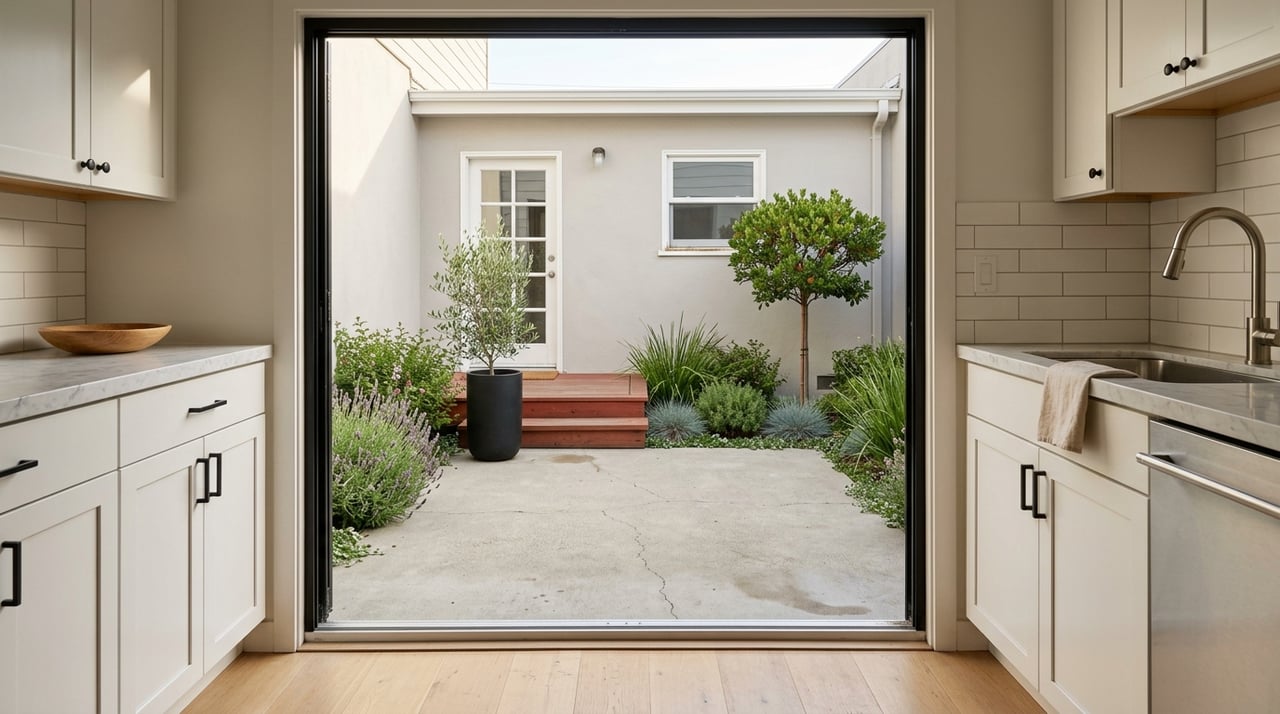
How Sunset District San Francisco Homes Really Live
June 25, 2026
June 25, 2026
If you have ever walked a Sunset block and thought, “These homes look similar, but they don’t all live the same,” you are noticing one of the neighborhood’s most interesting traits. The Sunset’s classic houses were built with a strong visual rhythm, yet their layouts, lower levels, and light patterns can feel very different once you step inside. If you are buying, selling, or planning updates, understanding those differences can help you make smarter decisions. Let’s dive in.
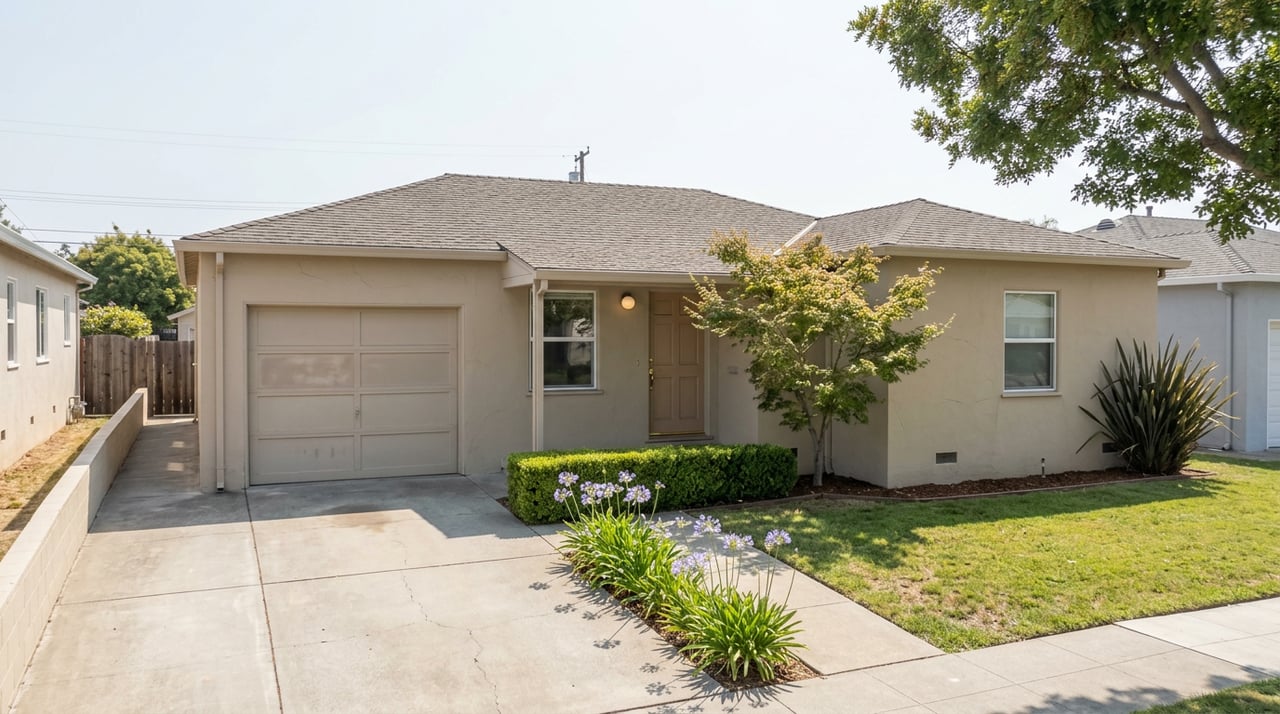
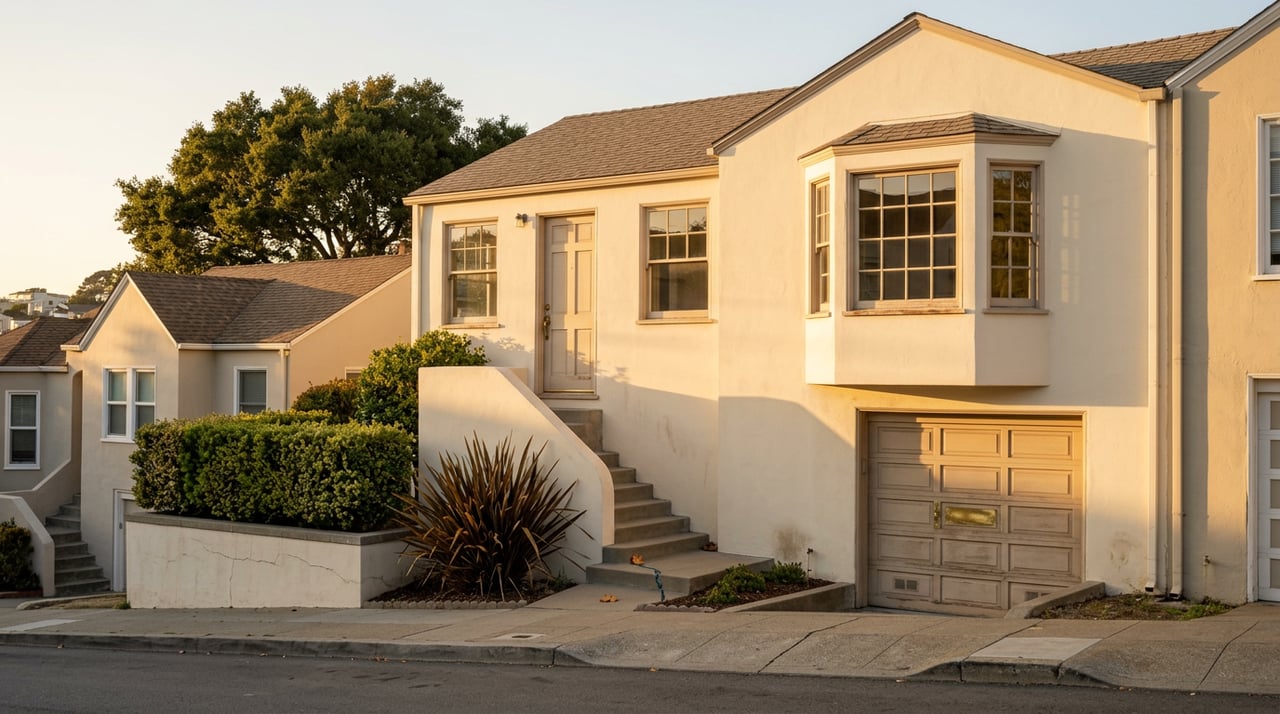
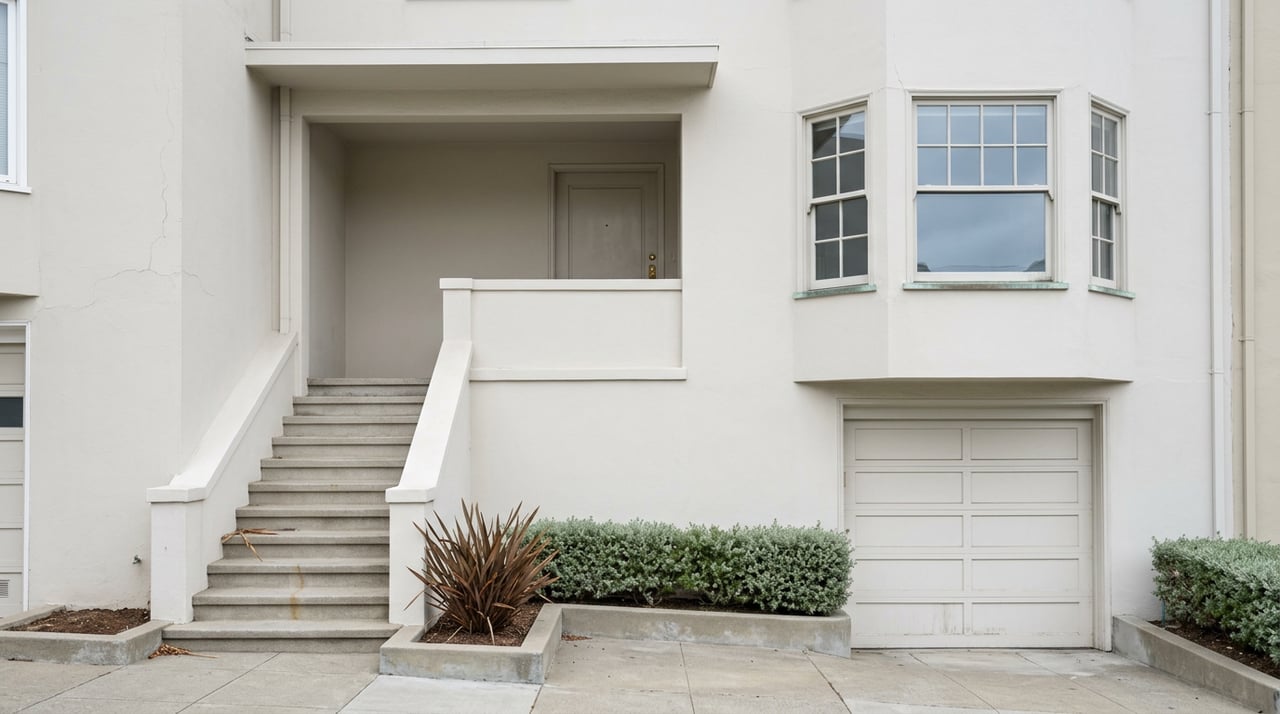
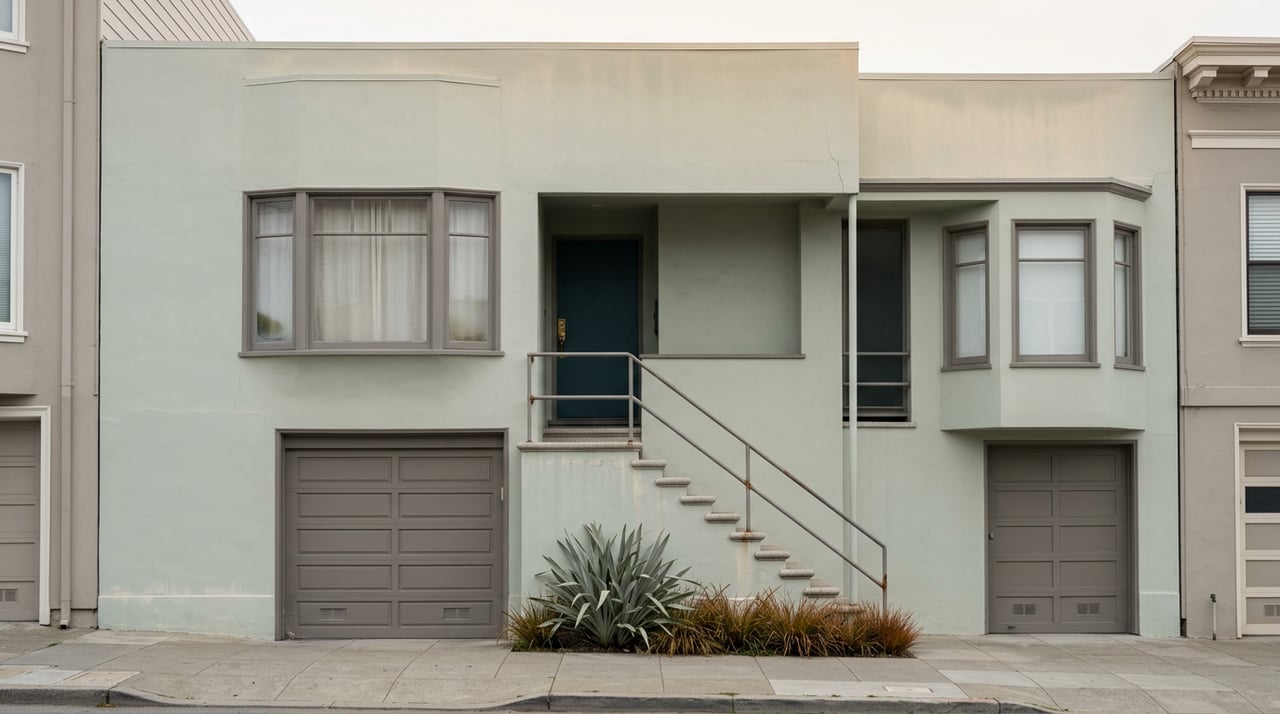
The Sunset District’s classic housing stock mostly came out of a major building boom from 1925 to 1950. According to San Francisco Planning, the dominant form from that era is a stucco-clad single-family house with an integrated ground-story garage and living space above, built tightly on 25-foot lots. That pattern gives many blocks a cohesive, almost row-house feel even though these are typically single-family homes.
That visual consistency is part of what makes the area so recognizable. San Francisco Planning also identifies the Sunset as the city’s largest neighborhood, spanning 4.5 square miles and more than 25,000 buildings. Within that larger area, you will also hear people talk about Inner Sunset, Outer Sunset, Parkside, Oceanside, and Golden Gate Heights.
The neighborhood still reads as house-heavy today for a reason. In Outer Sunset, the 2020 ACS housing stock included 26,950 total housing units, with 19,139 of those counted as single-family units in San Francisco Planning’s 2023 Housing Inventory. For buyers and sellers, that helps explain why detached or semi-detached house living remains such a central part of the local identity.
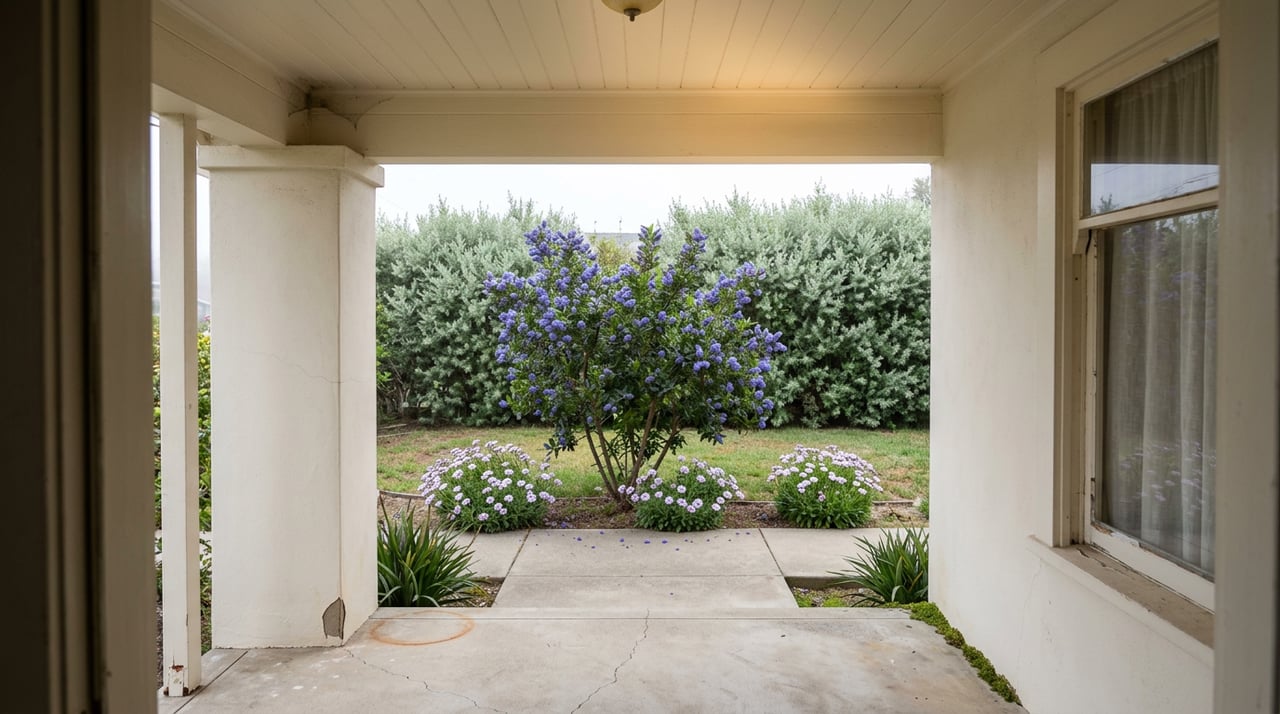
Sunset blocks follow a standard grid, and the homes were designed to fit that pattern efficiently. Most blocks have modest front-yard setbacks of about 10 feet, narrow lawn strips, limited street trees, and very few short alleys. San Francisco Planning notes that the area’s sandy soil and foggy climate help explain why landscaping tends to stay fairly sparse.
That streetscape affects how the homes live. The front yard is usually more of a visual buffer than a major hangout space, while the backyard often becomes the more useful outdoor area for private day-to-day use. If you are comparing Sunset homes to properties in other parts of San Francisco, that difference can matter more than you expect.
The phrase “classic Sunset home” often refers to a family of related layouts rather than one exact template. Still, a few floor plans show up again and again, and each one shapes light, circulation, and flexibility in its own way.
San Francisco Planning says the vast majority of Sunset tract houses use the Tunnel Entry layout, which became standard by 1940. In this design, an interior passage runs from the front toward a recessed courtyard and stairway that leads to the main second-story entrance. Historically, that front opening was open to the air and often paired with planters and a bright interior court.
In practical terms, this layout helps preserve the continuous street-facing façade while pushing the main living areas upstairs. That can create a sense of separation between the public street and the private home. For many buyers, it also means your first impression of the house happens in stages, not all at once.
The Patio Plan was introduced in 1932 by Oliver Rousseau to bring more light and air into closely spaced tract houses. Instead of relying only on the rear yard or front windows, this design uses an interior courtyard atrium on the top story. Several rooms typically connect to that central patio, which is hidden from the street.
This is one of the most interesting Sunset layouts because the patio works less like a traditional outdoor yard and more like a light well and circulation hub. In everyday living, that can make the center of the home feel brighter and more connected. It also means any changes to that atrium can have a big impact on how the house functions.
San Francisco Planning describes the Junior-5 as one of the Sunset’s most common basic floor plans. It is usually a five-room layout under 1,000 square feet, with one bath, a fireplace, two bedrooms, a combined kitchen-dining area, and a tandem two-car garage. Some versions add a third bedroom, larger rooms, or a rear sunroom.
The survey also documents other common forms, including straight-side-stair, angled-stair, transitional-side-stair, and barrel-front homes. Barrel-front houses often include larger living and dining rooms and may also have a rear sunroom. Together, these variations show why two homes on the same block can have similar curb appeal but very different interior flow.
Many classic Sunset homes were organized around a compact five-room interior. The typical arrangement places the living and dining rooms toward the front, the kitchen and bath near the center, and the bedrooms facing the backyard. That creates a clear split between gathering space, service space, and sleeping space.
For daily life, that layout often feels efficient and easy to understand. At the same time, it can feel more compartmentalized than a newer open-plan house because each room tends to serve a more defined role. If you like separation between spaces, that can feel comfortable. If you prefer one large great room, it may feel more traditional.
Many of these homes also offer more character than the simple room count suggests. San Francisco Planning notes details such as arched doorways, room dividers, polychromatic tile, wood or parquet floors, murals over fireplaces, and decorative stenciling. Those touches often give the interiors warmth and personality even when the footprint is compact.
One of the biggest lifestyle variables in a classic Sunset home is the ground story. San Francisco Planning describes examples that range from finished social rooms with buffets and corner fireplaces to large basement areas that could hold four cars or serve as a social hall, laundry area, or other utility space. That flexibility is a big part of how these homes adapt over time.
For buyers, the lower level can be the difference between a home that feels merely charming and one that feels highly functional. For sellers, it is often one of the first areas buyers try to imagine updating. Even when the upper floor follows a fairly standard plan, the ground level can create very different day-to-day possibilities.
If you are shopping for a classic Sunset house, focus on how the plan supports your routine, not just the bedroom count. Two homes with similar square footage can feel very different depending on entry sequence, light, room placement, and lower-level usability.
A few things to pay close attention to include:
This is especially important in the Sunset, where standardized plans can hide meaningful differences. The right fit often comes down to how a house lives once you are inside it.
If you own a classic Sunset home, smart improvements often start with the areas that affect function most directly. Based on the original planning logic of these homes, the kitchen, bath, and lower-level storage or flex areas are often the most natural places to modernize. Those zones were already grouped around the center or ground floor, which can make them key pressure points in everyday use.
At the same time, the exterior carries much of the home’s public identity. San Francisco Planning identifies important character elements such as the one-story-over-garage massing, recessed garage openings, façade articulation, roofline, cladding, front-yard setback, and style-defining details. If your goal is to improve market appeal while respecting the home’s character, those visible features deserve careful thought.
The survey also specifically notes the importance of retaining the original deeply recessed garage opening. In pre-1940 homes, garage doors were often paired and double-hinged. For many Sunset properties, that garage composition is not just a practical feature. It is part of what makes the façade read as authentically classic.
Many homeowners assume preserving a classic look means freezing the house in time. In reality, a thoughtful approach can balance modern living with the features that define a Sunset home from the street. Since San Francisco Planning’s survey framework focused on exterior character rather than interior alteration history, the greatest preservation sensitivity often centers on the shell, massing, and visible architectural details.
That matters because interior reconfiguration may offer more flexibility than many people expect, while exterior changes can have a much larger visual effect on the block. Patio Plan homes are a good example. Because the central atrium acts as both a light source and circulation node, changes there can reshape the way the whole upper level works.
For sellers, this creates an opportunity to be strategic. Not every improvement adds value in the same way. Often, the best results come from enhancing livability inside while respecting the exterior elements that make the home recognizable as part of the Sunset’s historic streetscape.
Classic Sunset homes are easy to admire from the sidewalk, but understanding how they actually live takes neighborhood knowledge. A Tunnel Entry home, a Patio Plan house, and a Junior-5 may all fit the same broader visual language, yet they can support very different routines. That is why local context matters so much when you are pricing, preparing, or evaluating one of these properties.
If you are buying, you want to know how the layout matches your life today and what it may allow later. If you are selling, you want to present the home in a way that highlights both function and character. In a neighborhood as visually consistent as the Sunset, the details inside the plan often tell the real story.
Whether you are comparing homes, planning improvements, or thinking about your next move, working with someone who understands how Sunset houses were built and how buyers respond to them can make the process much clearer. If you want a local perspective on your home or your search, Michael Soon can help you navigate the Sunset with practical, hands-on guidance.
Stay up to date on the latest real estate trends.
Understanding his client's goals has helped Michael negotiate successful outcomes buyers and sellers on all types of properties throughout the San Francisco region. Real estate, whether buying or selling, can be quite a journey, and Michael will be there every step of the way.