Buying a Home in Richmond District: A Smart Buyer’s Guide
June 18, 2026
June 18, 2026
Wondering if the Richmond District is the right place to buy in San Francisco? You are not alone. For many buyers, the appeal is clear, but so are the tradeoffs, especially when you start comparing home styles, parking, and competition. This guide will help you understand what to expect so you can tour smarter, plan better, and make a more confident move. Let’s dive in.
The Richmond District sits on San Francisco’s west side between the Presidio and Golden Gate Park, stretching west toward Ocean Beach. That location gives you access to major parks, coastal weather patterns, and a distinctly west-side housing feel.
From a planning perspective, the neighborhood is shaped by a balance of preserving its established residential character while adding housing over time. For you as a buyer, that means the Richmond often feels consistent in scale, with a lot of low- to mid-rise homes rather than blocks dominated by taller buildings.
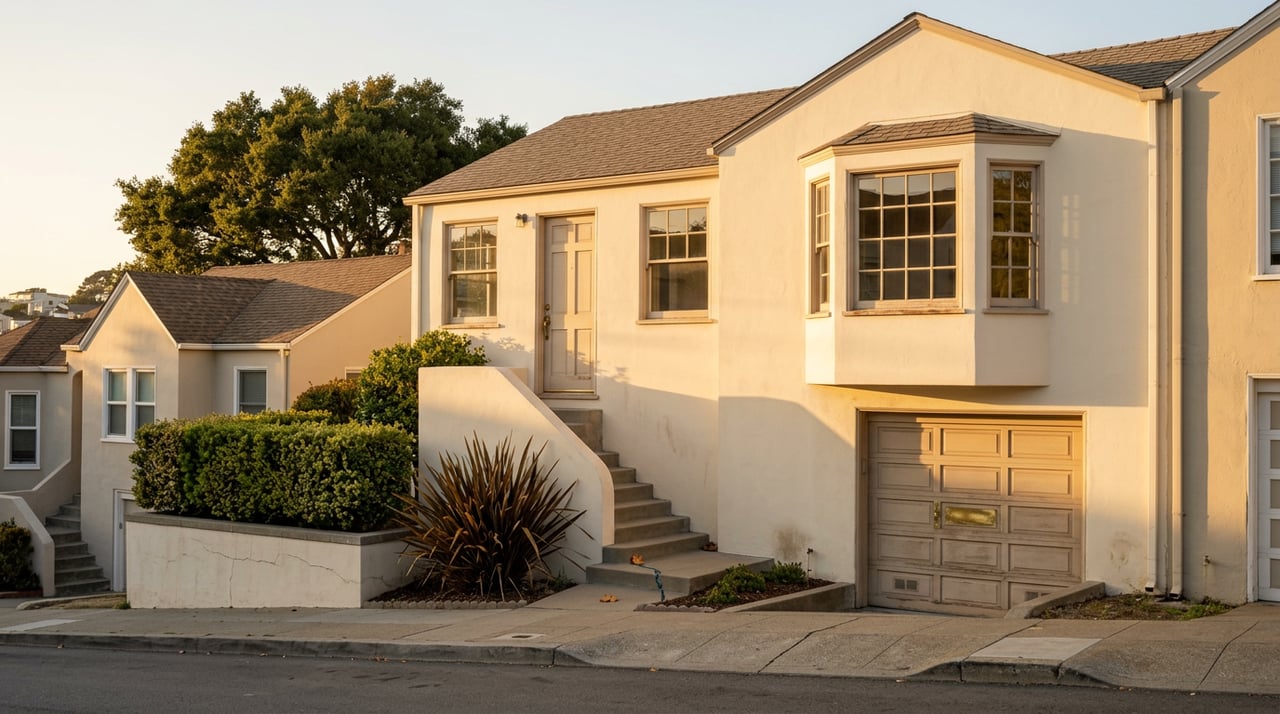
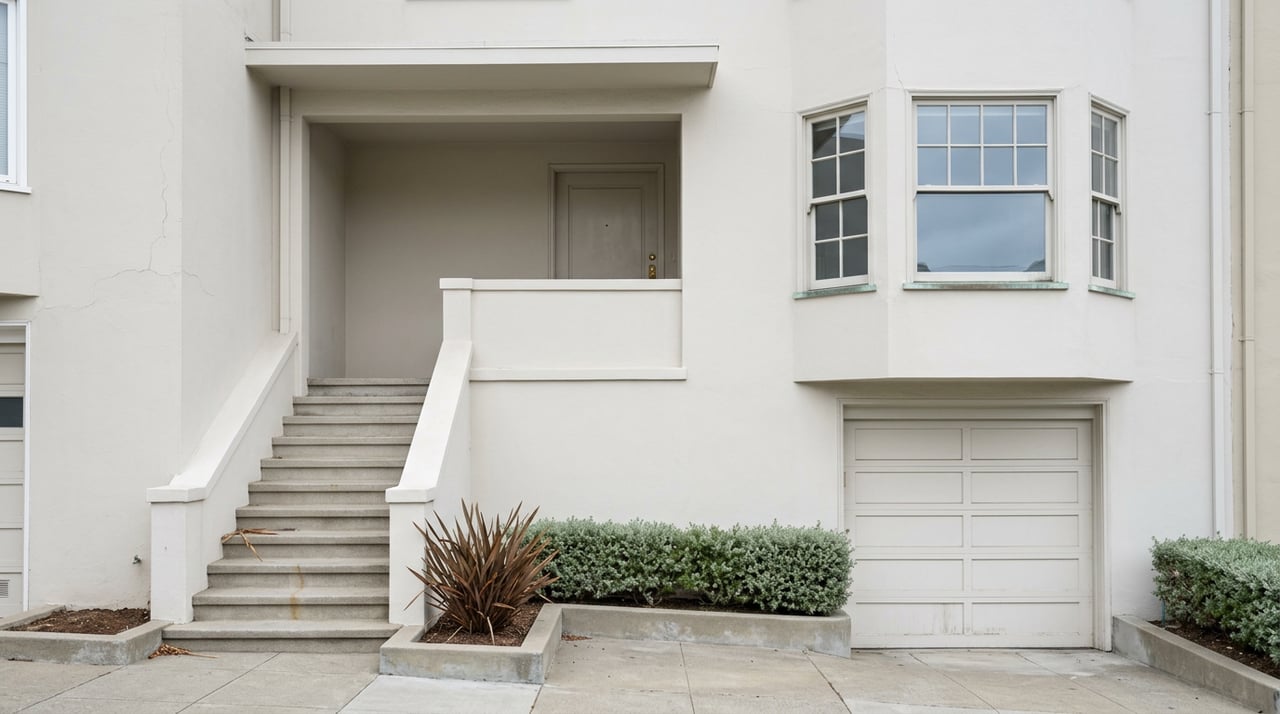
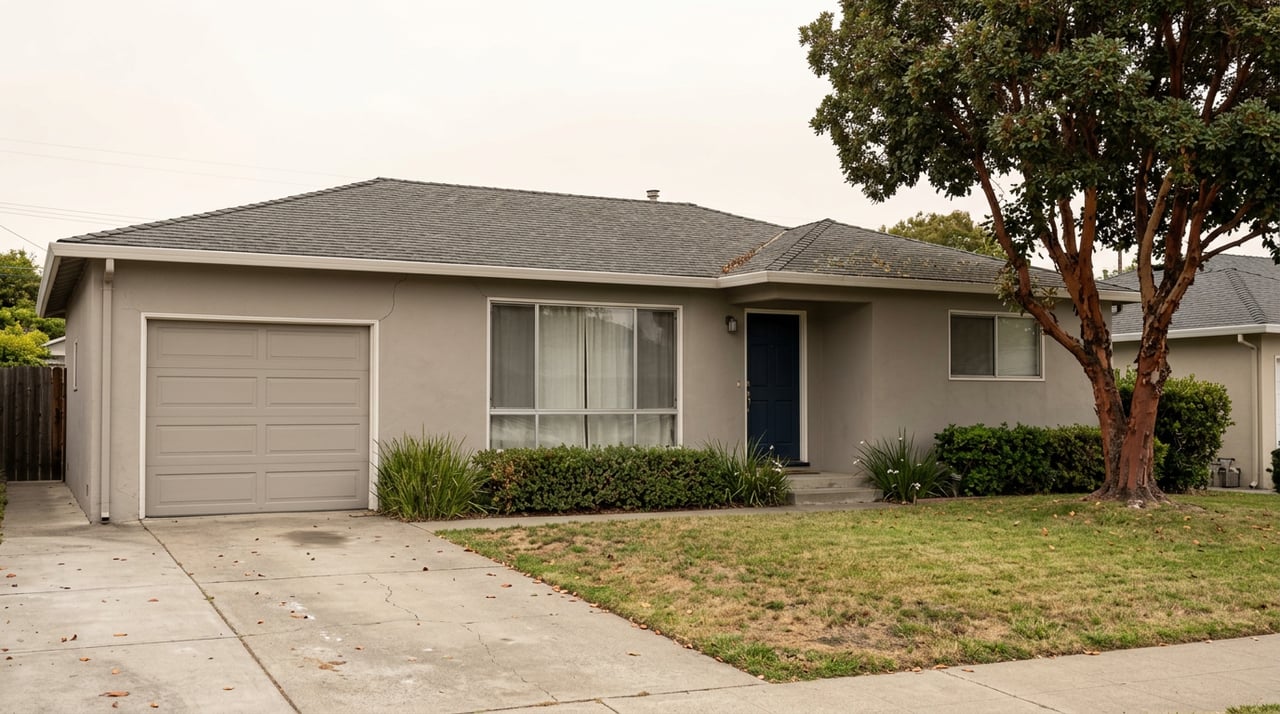
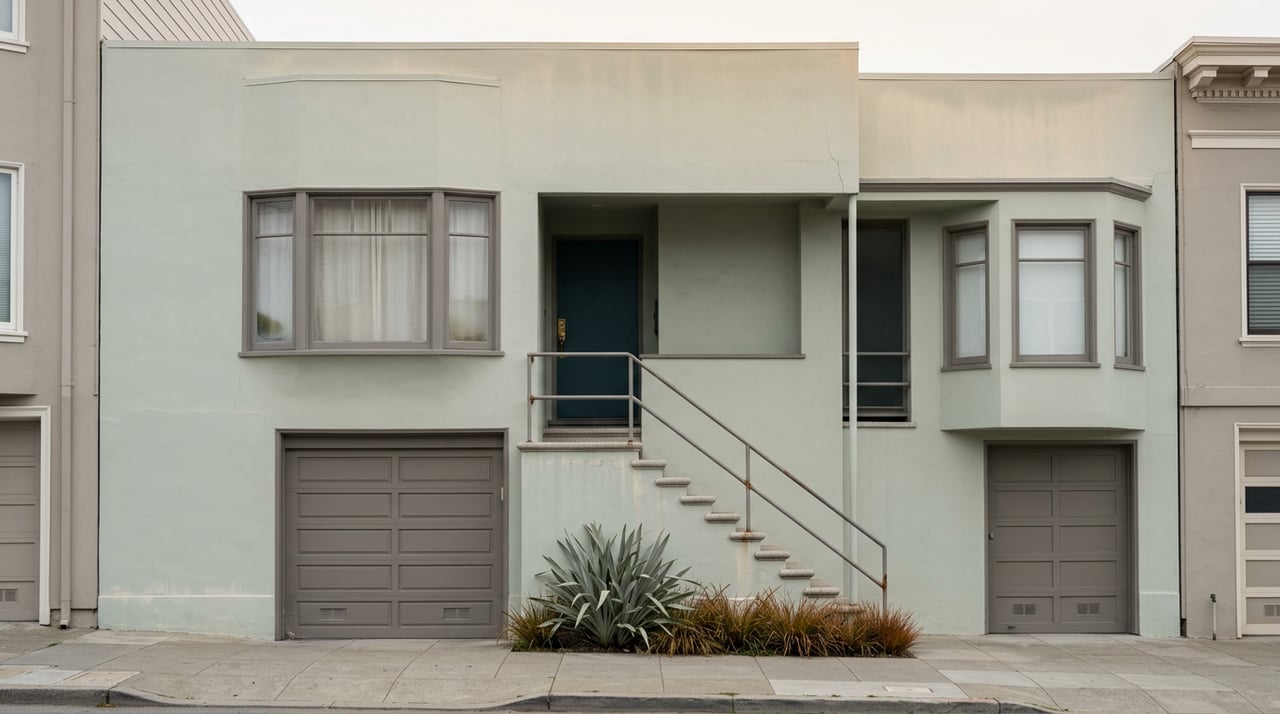
One of the biggest things to know about buying in the Richmond is that there is no single “standard” home type. According to San Francisco Planning, the district includes single-family homes, flats, and multi-unit apartment buildings, with a common format being a simple structure with a garage and two stories of living space above.
That variety matters when you start touring. You may see 2-bedroom flats or condos, 3- to 4-bedroom houses, and some larger converted or small multi-unit properties, often within the same general area.
Planning materials also note that only 11% of buildings in the district are three stories or taller. In a community survey tied to the Richmond strategy, respondents most often lived in 2- to 4-unit buildings at 40%, followed by single-family homes at 38%.
Many Richmond homes sit on compact city lots. That can create a practical, efficient layout, but it also means you should pay close attention to how space is used inside and out.
If you are moving from a less dense area, your expectations may need to shift a bit. In the Richmond, the value is often in smart floor plans, flexible lower levels, and location, not necessarily a large lot.
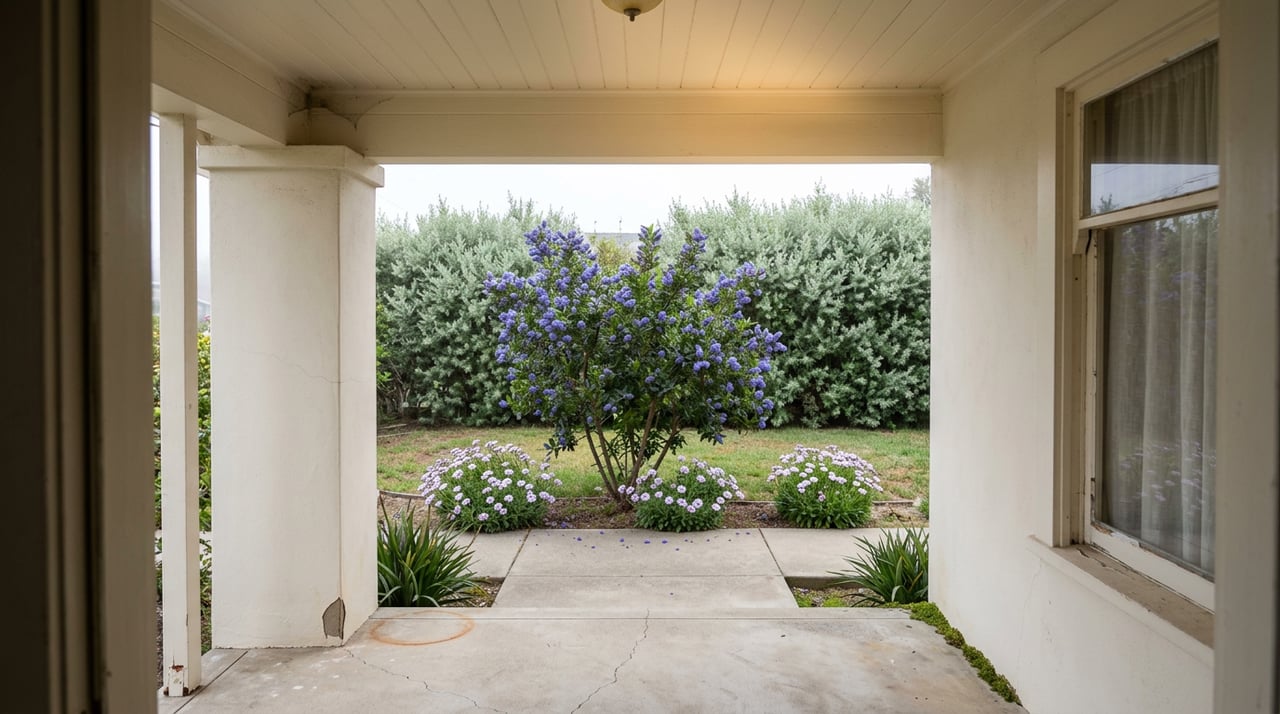
Private outdoor space can be a real differentiator here. Because the district is mostly low-rise and built on compact urban lots, outdoor areas often show up as rear yards, decks, patios, or small front gardens instead of large yards.
When you tour, it helps to ask a better question than just whether outdoor space exists. Focus on whether it is actually usable by checking sunlight, privacy, drainage, and whether the space is deeded, shared, or mostly decorative.
Parking is one of the most important lifestyle factors in the Richmond District. SFMTA has identified significant parking pressure in the Inner Richmond, especially around Geary Boulevard, Clement Street, Kaiser Permanente French Campus, and major Muni service corridors.
That does not mean every buyer needs a private garage or parking space. It does mean parking is often a meaningful value driver, and you should treat it as a core feature rather than a minor detail.
The Inner Richmond is identified by SFMTA as Permit Area N. On signed blocks with Pay or Permit rules, residents with the correct Residential Parking Permit can park without paying hourly fees, while visitors follow the posted payment rules.
SFMTA says a passenger-vehicle residential parking permit currently costs $215 per year. Each address may buy up to four permits, subject to the agency’s rules.
Before you fall in love with a home, confirm the parking setup on that specific block. A home with no garage may still work well for you if the block rules and your routine are manageable, while a home with parking can carry extra day-to-day value in a neighborhood where occupancy is often high.
If a well-located Richmond home seems to move fast, that is because it often does. Sotheby’s Q1 2026 Richmond District report shows a median sales price of $2.44 million, average days on market of 18, 29 closed sales, and 16 active listings.
That same report shows that 69% of closed sales were between $1 million and $3 million, while 27.6% were between $3 million and $5 million. In other words, buyers are competing across a wide price range, not just at the very top of the market.
Redfin’s May 2026 neighborhood pages describe both Inner Richmond and Outer Richmond as “most competitive.” Inner Richmond homes were selling in about 13 days and around 20% above list on average, while Outer Richmond homes were selling in about 15 days and around 18% above list on average.
Redfin also notes that most homes receive multiple offers, often with waived contingencies. That is a strong signal that buyers should prepare early and move with a clear plan.
For added west-side context, Redfin shows Inner Sunset at a median sale price of $2.12 million and Outer Sunset at $1.85 million, while San Francisco overall was at $1.70 million. These figures come from different products and time windows, so they are best used directionally.
The big takeaway is simple: if you are shopping in the Richmond, you should expect a market that is both active and highly competitive, especially for turnkey homes and properties with strong location or parking advantages.
In a market like this, preparation can matter as much as price. A strong pre-approval, proof of funds for your down payment and closing costs, and a clean, well-organized offer package can help you compete more effectively.
Just as important, you want a plan for due diligence before the pressure of an offer deadline hits. That way, you can move decisively without taking on risk you do not fully understand.
Competitive does not have to mean careless. The goal is to make your offer easy for a seller to understand and attractive to accept, while staying grounded in the property’s condition, disclosures, and your own comfort level.
This is where local neighborhood knowledge helps. In the Richmond, details like permit history, parking realities, and the practical value of outdoor space can affect how a home compares to the next one.
Because the Richmond has a lot of older homes, disclosures and inspections deserve real attention. For most 1- to 4-unit residential sales in California, sellers must provide a Real Estate Transfer Disclosure Statement, or TDS, describing the property’s condition.
California also requires a Natural Hazard Disclosure statement or a local equivalent. The TDS is not a warranty, but it is a key part of understanding what the seller knows about the property.
If the TDS is delivered after the contract is signed, the buyer may have a short rescission window. According to the California Department of Real Estate booklet, that window is 3 days if the disclosure is delivered in person or 5 days if delivered by mail.
That is one more reason to review disclosures as early as possible. In a fast market, late surprises can create stress and difficult decisions.
If a home was built before 1978, federal law requires disclosure of known lead-based paint or lead-hazard information. Buyers must also receive the EPA pamphlet and have an opportunity to conduct a lead inspection or risk assessment before signing the contract.
In a neighborhood with many pre-war homes, this can be an important part of your due diligence. It is not something to panic over, but it is something to review carefully.
A lot of buyers look at Richmond homes and imagine updates down the road. That can make sense, but you should not assume every project will be simple.
San Francisco Planning says that if any part of proposed work is visible from the street, planners will review it. The city also notes that every property has a historic-resource category that can affect the permit path.
If a home has additions, garage conversions, or prior work, confirm what was done and whether it was permitted. This can affect financing, insurance, future remodel plans, and your comfort with the property overall.
If you are buying with the goal of improving the home later, this step is especially important. A home that looks flexible on paper may come with more review or permitting complexity than you expect.
San Francisco Planning also notes that projects that raise a building above 40 feet may trigger shadow analysis. That will not apply to every buyer, but it is useful context if your long-term vision includes a major expansion.
The practical lesson is simple: if remodeling is part of your plan, verify the path before you buy, not after.
When you are touring homes in the Richmond, it helps to look beyond finishes and staging. A few practical checks can save you time and help you compare homes more clearly.
Buying in the Richmond District often comes down to balancing character, location, and practicality. You may be choosing between a larger home with tradeoffs, a turnkey flat with limited outdoor space, or a well-located property where parking becomes part of the value equation.
The buyers who do best here usually have a clear sense of priorities before they start competing. If you know your non-negotiables, understand the market pace, and do your homework on disclosures and block-level details, you can make sharper decisions and avoid common surprises.
If you are thinking about buying in the Richmond District and want neighborhood-specific guidance, Michael Soon can help you evaluate homes, compare blocks, and build a strategy that fits your goals.
Stay up to date on the latest real estate trends.


Understanding his client's goals has helped Michael negotiate successful outcomes buyers and sellers on all types of properties throughout the San Francisco region. Real estate, whether buying or selling, can be quite a journey, and Michael will be there every step of the way.