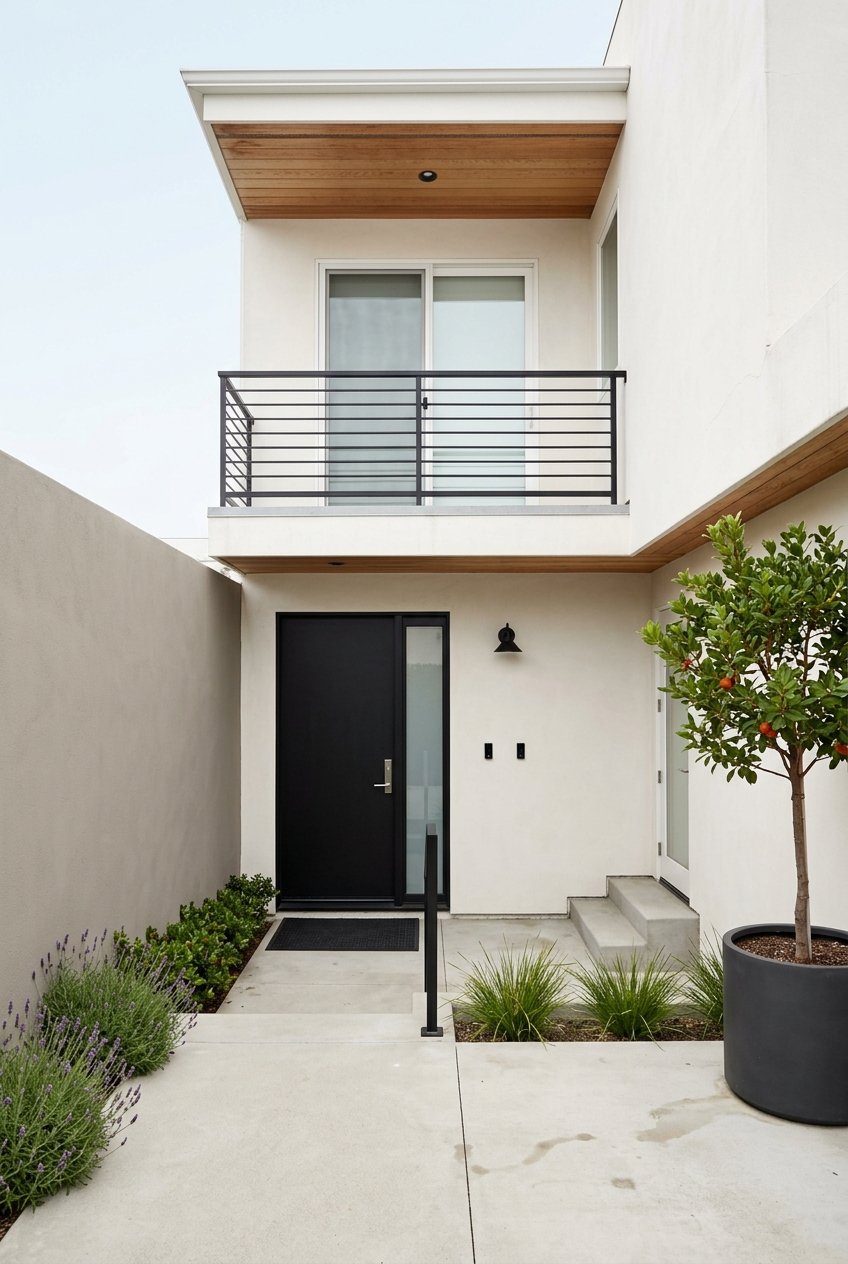
House Hacking in Sunset District SF: Options for Buyers
July 2, 2026
July 2, 2026
Wondering if a Sunset District home could help offset your housing costs? In San Francisco, that idea is not just for large multi-unit buildings or major redevelopment projects. If you are buying, owning, or reviewing a property in the Sunset, there are several smaller-scale house hacking paths worth exploring. This guide walks you through the most realistic options, the local rules that matter, and the red flags to check before you make a move. Let’s dive in.
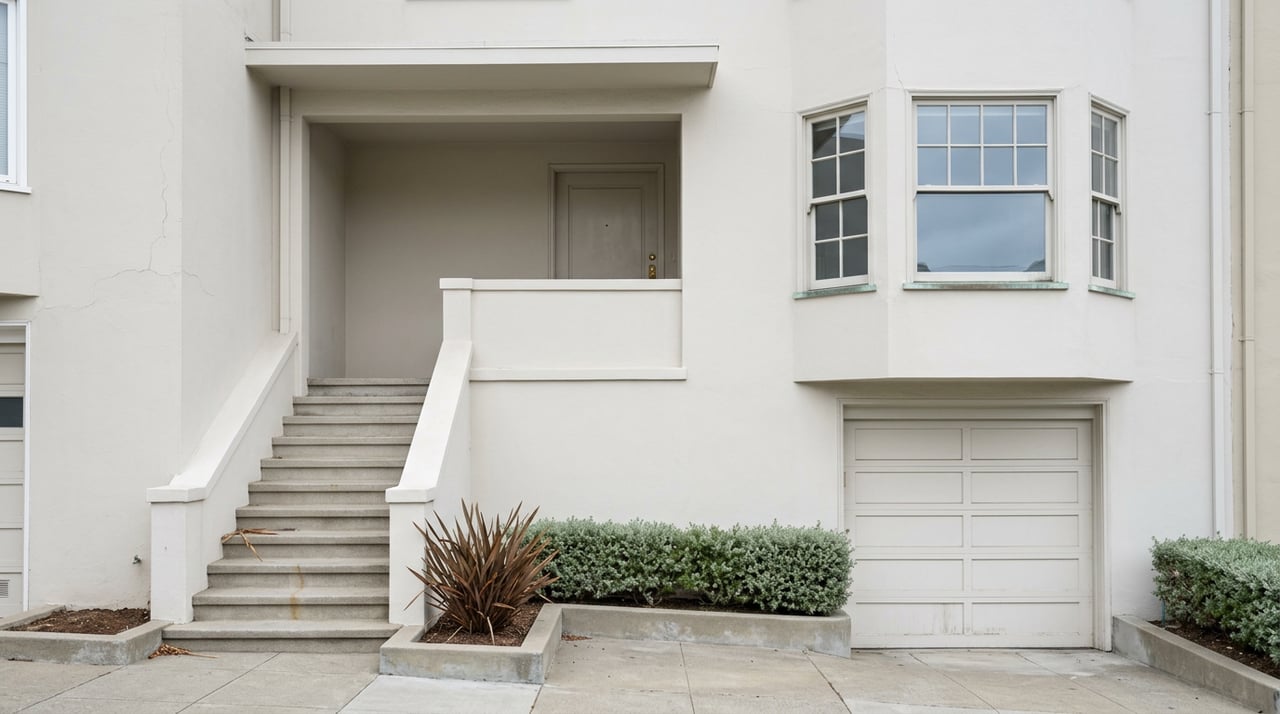
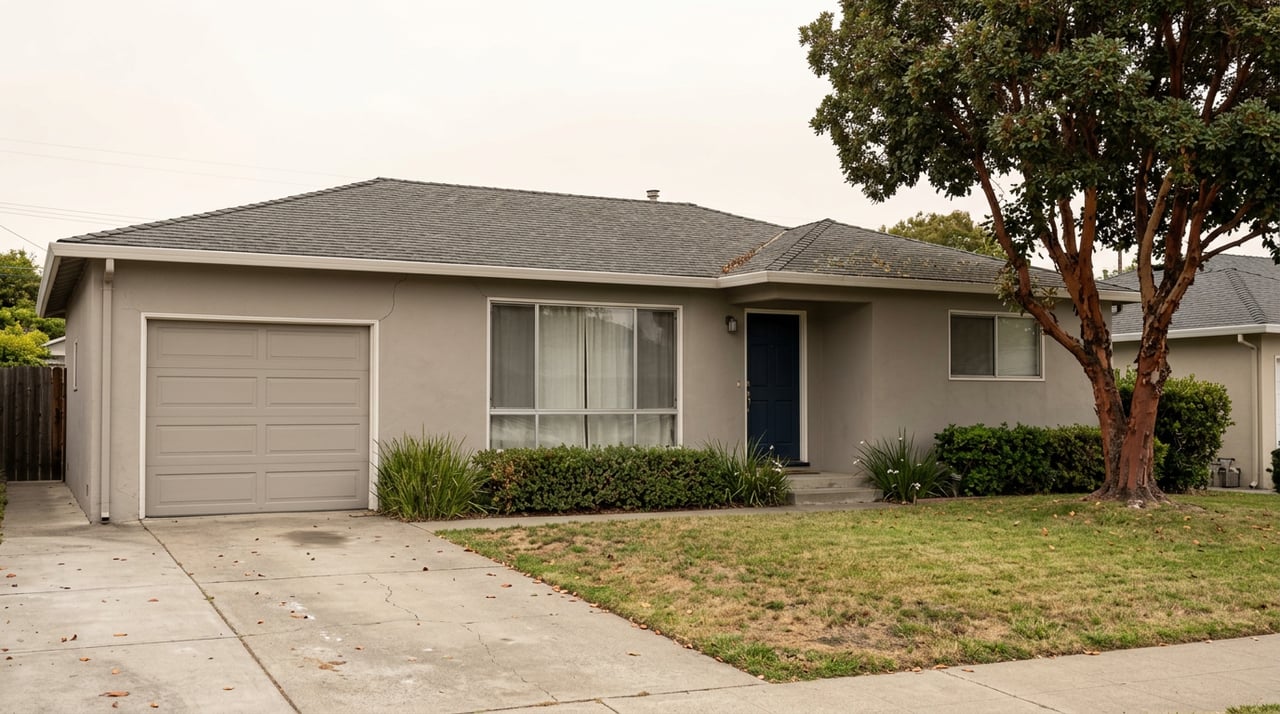
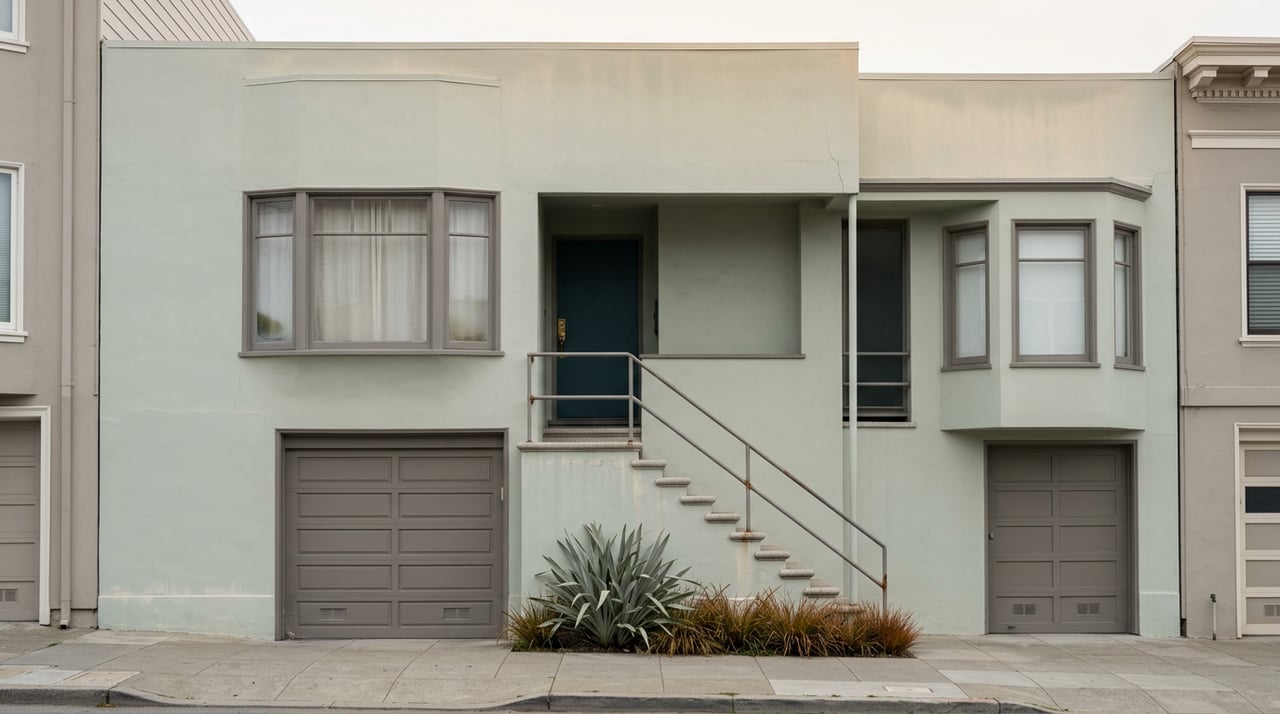
The Sunset District is often a better match for practical, small-scale house hacking than for major redevelopment. Planning materials show many Sunset blocks with residential zoning patterns and older home layouts that make reuse of existing space more relevant than building a large new structure.
That matters because many Sunset opportunities come down to what is already there. A lower level, garage area, spare bedroom, or interior space within the main home may offer more realistic potential than a complete reconfiguration of the property.
Another local factor is the Coastal Zone. In parts of the Sunset, especially closer to the western shoreline and adjacent residential blocks, a property may face an added coastal review layer. That does not mean a project is impossible, but it does mean you should verify the permit path early.
The simplest version of house hacking is often renting out a spare bedroom in an owner-occupied home. This can be a lower-cost, lower-complexity way to create income without converting the home into a separate legal unit.
Under California law, a true room rental can be treated differently from a fully separate dwelling. That distinction is important in practice because sharing a kitchen or bathroom with the owner is not the same as renting out a self-contained lower-level unit.
For many Sunset buyers, this is the easiest starting point. If your goal is to reduce your monthly payment without taking on a construction project, a room rental may be the cleanest option.
A junior accessory dwelling unit, or JADU, is a smaller unit contained entirely within a single-family home. State guidance says a JADU can have up to 500 square feet of interior livable space.
A JADU may share sanitation facilities with the main home or have separate facilities. Only one JADU is allowed per qualifying lot, and if it is rented, the rental term must be more than 30 days. Short-term rental use is not allowed.
This can be a strong fit when a home has extra interior space that could function as a compact living area. In the Sunset, that often means looking closely at how the existing floor plan can be adapted without overbuilding the lot.
For many older Sunset homes, a converted ADU is one of the most practical house hacking options. San Francisco Planning describes these as units created within existing or proposed space in a residential building.
That could include a basement, lower level, garage, or other underused area. If the space can meet building and zoning standards, it may fit within the ADU framework.
This is where buyers sometimes see the most upside. A home with a usable lower level may offer a path to future rental income while keeping the main house largely intact.
Some Sunset properties may support a detached rear-yard ADU or cottage. San Francisco allows one detached ADU in the required rear yard in addition to ADUs allowed within the primary structure.
Local code sets several clear limits. The detached unit must be at least four feet from side and rear lot lines, no more than 16 feet tall, and no larger than 850 square feet for a one-bedroom-or-less unit or 1,000 square feet for a larger unit.
This option can work well if you want stronger separation between your living space and the rental unit. It is especially attractive for owners who want to preserve the layout of the main house.
A small duplex or two-flat can also function as a house hack. In that setup, you live in one unit and rent the other.
This is different from a room rental or ADU project, so the rules are not identical. It can still be an effective strategy in the Sunset for buyers who want built-in separation and income from day one.
If you are comparing a single-family home with ADU potential against a true two-unit property, the right answer often comes down to your budget, timeline, and comfort with property operations.
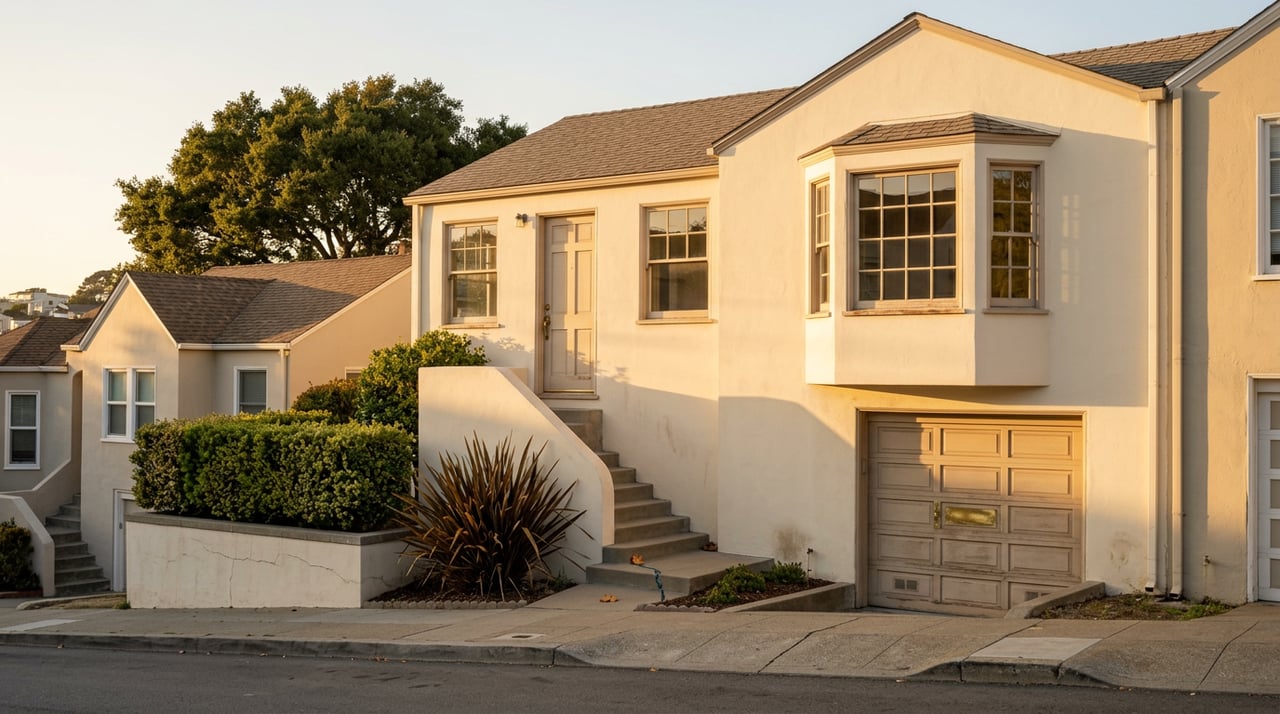
One of the biggest mistakes buyers make is assuming an existing in-law unit is already legal because it has a kitchen, bathroom, or separate entrance. In the Sunset, some older homes already contain lower-level or garage spaces that were built without full permits.
San Francisco Planning directs owners with unauthorized units to a legalization process rather than treating those spaces as automatically rentable. That means a buyer should treat any unpermitted unit as a diligence issue, not as guaranteed income.
If a listing advertises extra living space, it is smart to confirm exactly how that space is recognized and what would be required before renting it out.
San Francisco Planning says the city’s ADU program applies citywide in zoning districts that allow residential use. That is good news for Sunset buyers because the big question is usually not whether house hacking is allowed in general.
Instead, the real question is which setup fits the specific property. The layout, permit history, lot characteristics, and local review layers often matter more than the general concept.
ADU and JADU applications are also handled ministerially under the applicable rules, which means the process is based on objective standards rather than discretionary hearings. Even so, complete paperwork and accurate planning are still essential.
Many buyers assume every house hacking strategy requires the owner to live on site in the same way. That is not always true.
For ordinary ADUs, state guidance says local agencies generally cannot impose an owner-occupancy requirement, with limited exceptions. JADUs are different, especially when they share sanitation facilities with the main residence, where owner occupancy is required.
This is one reason you want to define the intended use early. A room rental, JADU, ADU, and duplex each come with different practical rules.
In the Sunset, garage conversions are often part of the house hacking conversation. State guidance limits how much parking can be required for ADUs and says local agencies cannot require replacement off-street parking when a garage or similar space is converted for an ADU.
That can make a garage conversion more viable than some buyers expect. State guidance also says adding an ADU or JADU does not trigger fire sprinklers for the main residence unless sprinklers were already required for that house.
These details can materially affect project cost and design. They are worth confirming before you count on a conversion strategy.
If a property already has tenants, ADU feasibility can become more complicated. San Francisco Planning requires a Rent Board declaration before an ADU application is submitted on a tenant-occupied property.
The Planning Code also limits approval for certain projects when there has been an eviction within specified lookback periods under certain just-cause provisions. On top of that, San Francisco states that most privately rented dwelling units are covered by the local Rent Ordinance’s eviction protections.
For buyers, that means tenant-occupied properties should be treated as a separate diligence category. A home that looks flexible on paper may be less flexible in practice if existing occupancy triggers added rules.
In some parts of the Sunset, Coastal Zone rules can add another permit step. San Francisco Planning identifies the Ocean Beach shoreline and adjacent residential blocks in the Sunset as part of the Coastal Zone.
If a property falls within that area, a coastal development permit review may be part of the process. That is a major location-specific issue, especially if you are considering a rear-yard ADU or a more involved exterior change.
This is one of those details that can affect timeline more than concept. You want to verify it before making assumptions about how simple a project will be.
Once you start renting out a unit, landlord compliance begins too. San Francisco’s Rent Board says owners of residential property must report into the Housing Inventory, and owners with tenants receive a rent-increase license after reporting.
The Rent Board’s current allowable annual rent increase for covered units is 1.6% for March 1, 2026 through February 28, 2027. The city also requires an annual Rent Board fee for residential units.
For a first-time house hacker, this is a good reminder that income potential and compliance go together. The property may work well, but the operational side still needs a plan.
If you are shopping for a house hack in the Sunset, the most reliable opportunities are often the simplest ones. A spare-bedroom rental, a legal lower-level or garage conversion, or a modest ADU or JADU that fits the existing property can be more realistic than a highly ambitious remodel.
The key is to underwrite the property conservatively. Do not assume an in-law unit is legal, do not overlook tenant or coastal restrictions, and do not project rental income until the configuration has been verified.
This is where local experience matters. A buyer who understands Sunset housing patterns, common lower-level layouts, and permit realities is in a much better position to separate a genuine opportunity from an expensive surprise.
A strong Sunset house hacking plan usually starts with the right team. Depending on the property, that may include a local real estate agent, a contractor or architect, and, when tenant or coastal issues are involved, a permit specialist or tenant-law attorney.
The goal is simple. You want to confirm legal use, construction feasibility, and rental compliance before you rely on the property’s income potential in your decision-making.
If you are weighing a Sunset home with lower-level space, garage potential, or an existing in-law setup, it helps to have someone who can connect the neighborhood context with the practical next steps. If you want a local perspective on which Sunset properties may offer realistic house hacking potential, reach out to Michael Soon for a free neighborhood consultation.
Stay up to date on the latest real estate trends.
Understanding his client's goals has helped Michael negotiate successful outcomes buyers and sellers on all types of properties throughout the San Francisco region. Real estate, whether buying or selling, can be quite a journey, and Michael will be there every step of the way.