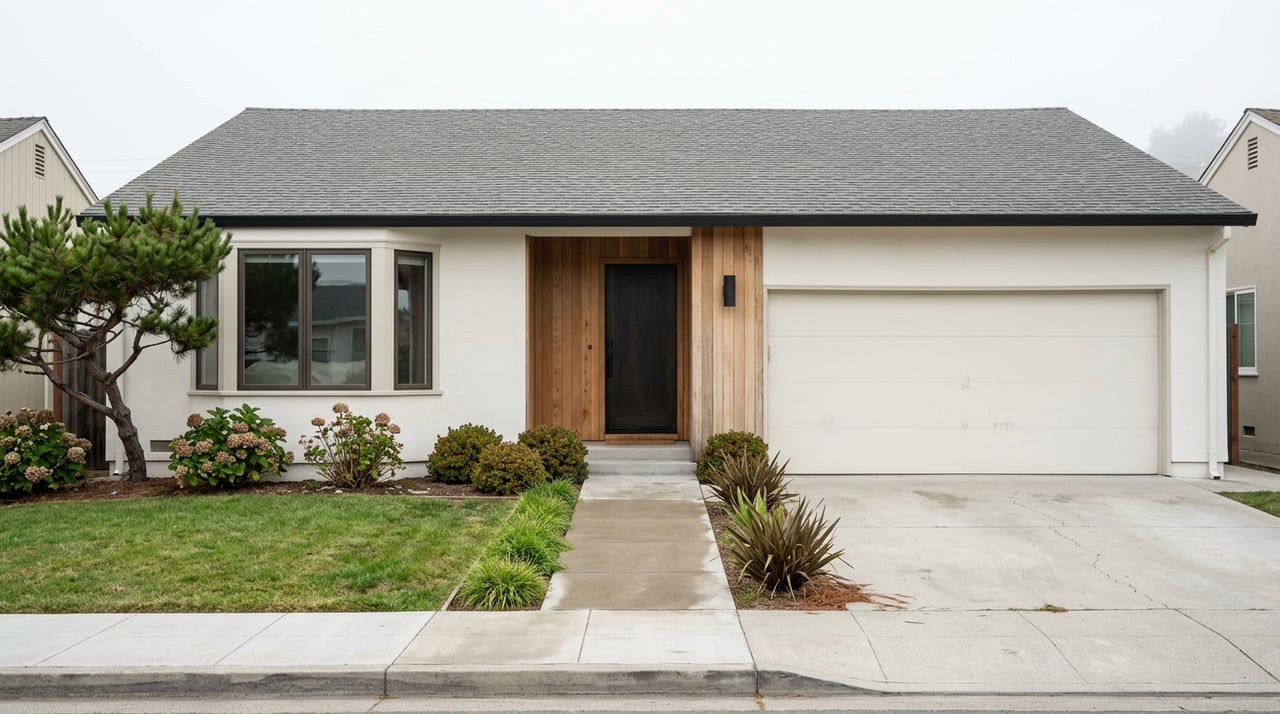
Moving to Pacifica From San Francisco: A Buyer’s Guide
July 9, 2026
July 9, 2026
Thinking about leaving San Francisco without giving up Bay Area access or coastal living? Pacifica often comes up for a reason. You get a smaller coastal city feel, strong access to beaches and trails, and a housing market that leans heavily toward owner-occupants. If you are weighing the trade-offs, this guide will help you understand what daily life, housing, commute planning, and buyer due diligence can really look like in Pacifica. Let’s dive in.
Pacifica offers a different rhythm than San Francisco while staying connected to the broader Bay Area. It has about 37,000 residents across 12.58 square miles, which gives it a smaller-city feel compared with many San Francisco neighborhoods. For buyers who want coastline access and a more residential setting, that shift can be a big part of the appeal.
The city also has a distinctly outdoor-oriented identity. Official visitor materials highlight beaches, surfing, hiking, biking, coastal views, and more than 100 miles of hiking, biking, and equestrian trails. Places like Linda Mar Beach, Rockaway Beach, Mori Point, San Pedro Valley County Park, and the Pacifica Municipal Pier help shape the lifestyle many buyers are looking for.
Pacifica is not a low-cost alternative in the way some buyers first imagine. Census figures show a median owner-occupied home value of $1,249,800, median monthly owner costs with a mortgage of $3,850, and median gross rent of $3,098. Median household income is reported at $160,523.
This is also a market with a strong owner-occupant presence. The owner-occupied housing unit rate is 67.7%, and Bay Area Census data from 2020 showed a 97% occupancy rate and 68% owner households. In plain terms, Pacifica can feel competitive because it is not a market defined by constant turnover.
One of the most important things to understand is that Pacifica does not function like one single, uniform market. The Pacifica Chamber describes roughly twelve neighborhoods, including Fairmont, Westview, Pacific Manor, Edgemar, Sharp Park, Fairway Park, Vallemar, Rockaway Beach, Pedro Point, Shelter Cove, Linda Mar, Linda Mar Valley, and Park Pacifica.
For you as a buyer, that means the experience can vary a lot from one area to another. Price point, housing style, lot setting, weather exposure, and commute flow may all change depending on where you focus. A move to Pacifica is often less about choosing the city in general and more about choosing the right pocket within it.
Detached homes are often the default image buyers have in mind, and Pacifica does include single-family residential zoning. At the same time, planning documents also recognize a mix of housing types, including single-family homes, duplexes, condominiums, and apartments. That gives buyers more range than they may expect at first.
If you are moving from San Francisco, this can open up different paths depending on your goals. You may be looking for a single-family home with more separation, a condo with less exterior upkeep, or a small multi-unit property that fits long-term investment plans. Pacifica is not a one-format housing market, even if detached homes remain a major part of the conversation.
Pacifica’s climate is one of its biggest draws, but it is also one of its biggest practical considerations. NOAA climate normals show an annual mean temperature of 57.4°F, with January at 51.7°F and July at 60.8°F. Annual precipitation is 31.88 inches, and snowfall is effectively zero.
That pattern supports the cool marine climate Pacifica is known for. If you love mild temperatures and coastal air, that may feel like a major upgrade. If you are expecting warm summer afternoons, you may need to reset those expectations.
Not every part of Pacifica experiences the same wind, fog, or sun exposure. Because the city stretches from the coastline inland and into valley areas, conditions can vary meaningfully from one neighborhood to another. That makes microclimate part of what you are buying, not just a background detail.
This is one reason in-person touring matters so much. A home that looks ideal on paper may feel very different once you experience the street, the breeze, the light, and the surrounding terrain. For many San Francisco buyers, that block-by-block feel is familiar, but in Pacifica it can be especially important.
If you are moving from San Francisco, your new routine deserves serious thought before you buy. Census data lists Pacifica’s mean travel time to work at 27.2 minutes, but that is a citywide average, not a promise for your specific trip. Your actual experience will depend on where in Pacifica you live, where you work, and whether you drive, use park-and-ride, or combine bus and rail.
SamTrans plays an important role in that planning. Coastside service information shows connections through PCX, Route 110, and Route 112, with access to Daly City BART and Colma BART. Linda Mar Park and Ride offers free parking and connects to the broader transit network.
Before you commit to a purchase, test the routine you expect to live with. Drive it during your likely departure time. If you plan to use transit, try the park-and-ride and BART combination in real conditions.
That kind of trial run can tell you more than any average statistic. It helps you decide whether Pacifica feels like a practical base for your workweek, not just an attractive weekend destination.
Pacifica can require more ownership homework than some buyers expect. The city’s planning guidance says properties in the Coastal Zone must be consistent with the Local Coastal Land Use Plan and may require a Coastal Development Permit. If you are thinking ahead to remodeling, adding on, or making exterior changes, this matters.
The city also notes that land-use decisions run through several layers, including the General Plan, zoning ordinance, Local Coastal Land Use Plan, and, in some places, specific plans such as Rockaway Beach and Sharp Park. In practical terms, that means future property plans should be researched carefully before you buy.
A home may fit your needs today but still fall short of your long-term vision. If your plan depends on an addition, layout change, or major exterior work, the local approval framework can affect cost, timeline, and feasibility. That is especially true for lots in the coastal zone.
For buyers coming from San Francisco, this may sound familiar in spirit, but the local rules still need to be checked property by property. Assumptions can get expensive when permits and planning layers are involved.
Pacifica’s housing-element environmental review points to rainfall-dependent infiltration and inflow affecting sewer pump stations. It also identifies infrastructure improvements along Crespi Drive, Linda Mar Boulevard, Fremont Avenue, and Catalina Avenue, along with rehabilitation and replacement projects in Vallemar and Rockaway Beach.
For you as a buyer, the takeaway is simple: pay close attention to drainage, sewer conditions, and permit history. This is especially important for coastal or hillside homes, where site conditions may add another layer of complexity. Due diligence here is not about being alarmed. It is about being informed.
Pacifica’s housing planning may also shape the city over time. The city says its 2023-2031 Housing Element was certified by HCD in September 2025, and the plan sets a framework for more than 1,892 additional units over the planning period. Zoning text and maps were updated in August 2025 to add capacity.
For buyers, this does not mean the city changes overnight. It does mean Pacifica is planning for additional housing, and that can influence how you think about future neighborhood evolution, development patterns, and long-term supply. If you are choosing between staying in San Francisco and moving south along the coast, this is part of the bigger picture.
Pacifica tends to make the most sense if you want easier access to beaches, trails, and a more residential coastal setting, and you are comfortable with the realities that come with it. Those realities include a high-cost market, cooler marine weather, neighborhood-by-neighborhood microclimate differences, and the need for careful permit and infrastructure review.
For many San Francisco buyers, that trade can be worth it. You are not just buying square footage or a new commute. You are choosing a different day-to-day experience, and Pacifica offers a very specific version of Bay Area coastal living.
If you are exploring the move, the best next step is to compare neighborhoods, test the commute, and review each property with your long-term goals in mind. When you do that well, Pacifica becomes much easier to evaluate with confidence.
If you are considering a move from San Francisco to Pacifica, Michael Soon can help you compare neighborhoods, evaluate property fit, and navigate the details with a practical, hands-on approach.
Stay up to date on the latest real estate trends.
Understanding his client's goals has helped Michael negotiate successful outcomes buyers and sellers on all types of properties throughout the San Francisco region. Real estate, whether buying or selling, can be quite a journey, and Michael will be there every step of the way.