Richmond District San Francisco Living: What to Expect
June 11, 2026
June 11, 2026
If you want a San Francisco neighborhood where daily life feels grounded, practical, and close to nature, the Richmond District stands out. You can handle errands on neighborhood commercial streets, hop on a bus line that connects you across the city, and still be minutes from Golden Gate Park, Lands End, and Ocean Beach. For buyers, sellers, and anyone trying to picture real life here, understanding that rhythm matters. Let’s take a closer look.
The Richmond District sits on San Francisco’s northwest side, between the Presidio and Golden Gate Park, stretching west toward Ocean Beach. City sources describe it as a neighborhood with abundant small businesses from diverse cultures, and that mix shows up in daily routines more than in big headline attractions.
This is the kind of place where residential blocks and practical errands work together. Planning materials consistently point to the same building blocks of neighborhood life: housing, parks, schools, transit, and storefronts that support day-to-day needs. That gives the Richmond a lived-in feel that many people look for when choosing where to put down roots.
For most residents, everyday movement in the Richmond runs through Clement, Geary, and Balboa. These corridors do different jobs, but together they shape how the neighborhood functions.
Planning documents describe Inner Clement as an active stretch that draws visitors from across the city. At the same time, it still fits into regular neighborhood routines with coffee shops, brunch spots, delis, and small retail that make quick errands easy to fold into your day.
That matters if you value convenience without needing a high-rise, downtown setting. In the Richmond, many of the best routines are simple: grab coffee, stop by a local shop, pick up what you need, and head home on foot or by bus.
Geary is described in planning materials as a mostly neighborhood-serving retail and restaurant corridor. It plays an important role in the district’s daily function, especially for residents who want access to useful services close to home.
At the same time, planning sources note that Geary remains a wide, auto-oriented corridor in places. So while it is highly useful, your block-by-block experience may vary depending on where you are in the district.
Outer Balboa is a more modest commercial strip, but planning materials note that it has become more walkable after streetscape improvements. That can make a difference for residents who prioritize local errands on foot.
In practical terms, Balboa adds another layer to Richmond living. Instead of relying on one main street, you have several neighborhood-serving options, each with a different pace and feel.
One of the Richmond District’s biggest advantages is how close it is to major outdoor spaces. Few San Francisco neighborhoods offer the same combination of residential streets, large park access, and coastal proximity.
Golden Gate Park began on 1,013 acres of dunes in 1870 and now totals 1,017 acres, according to San Francisco Recreation and Park. For Richmond residents, that means one of the city’s signature green spaces is not a special-event destination only. It can also be part of your weekly routine.
Whether you want open space, a longer walk, or a change of pace after work, the park is a major lifestyle anchor. It helps explain why Richmond living often feels calmer and more residential than neighborhoods built around nightlife or office traffic.
The district also benefits from access to Lands End, China Beach, Baker Beach, and Ocean Beach. According to the National Park Service, the Lands End Trailhead is the area’s most popular trailhead, with a 2.9-mile out-and-back Coastal Trail and views of the Golden Gate Bridge, Pacific Ocean, and San Francisco Bay.
That kind of access changes what everyday living can look like. A neighborhood walk can turn into a coastal trail outing without requiring a major plan or a long drive.
It is also important to keep the picture balanced. Planning materials note that some park edges have incomplete sidewalks or missing crosswalks, and smaller neighborhood parks are not evenly distributed, especially farther west.
So while the Richmond is clearly park-adjacent and coast-adjacent, the walking experience is not identical everywhere. If you are buying or renting here, block-level location still matters.
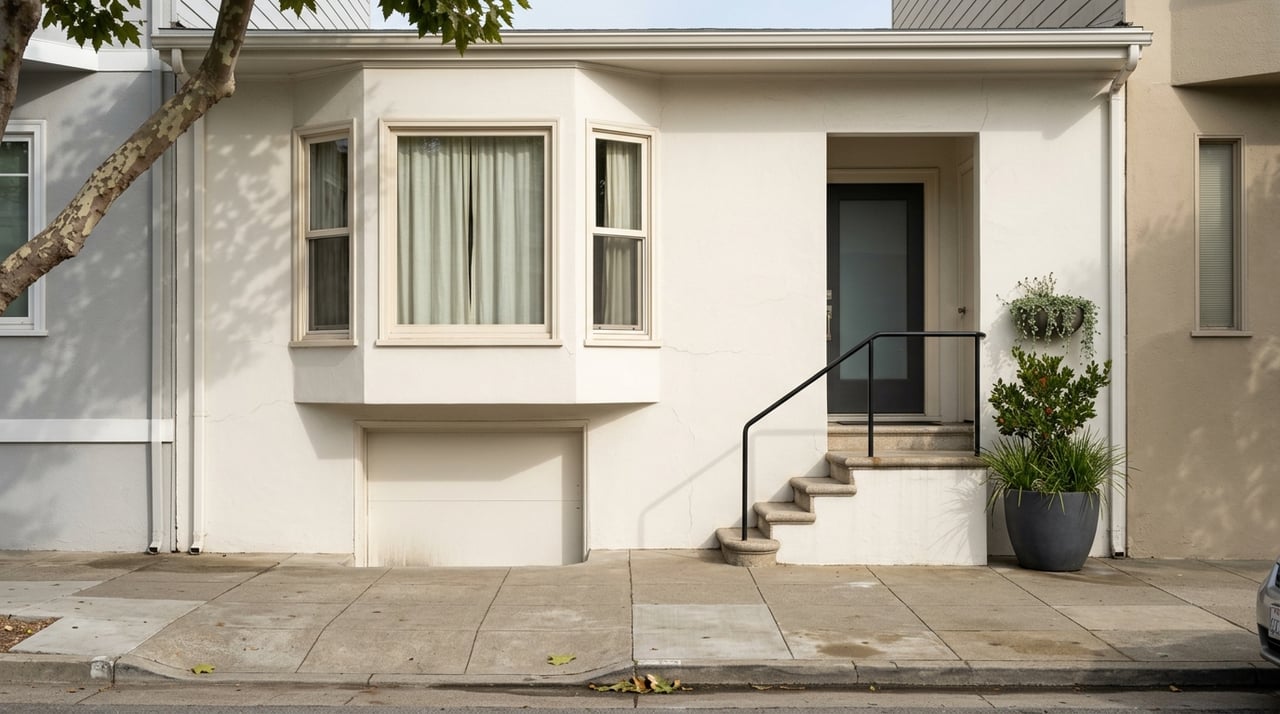
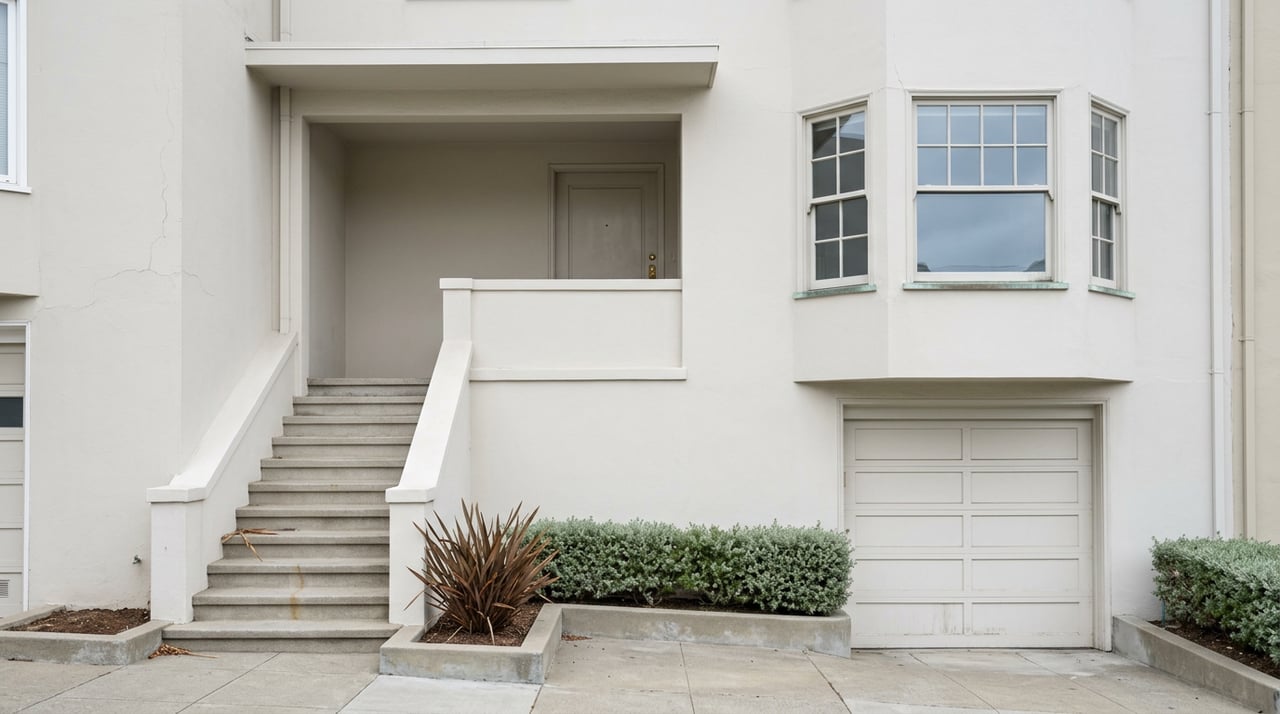
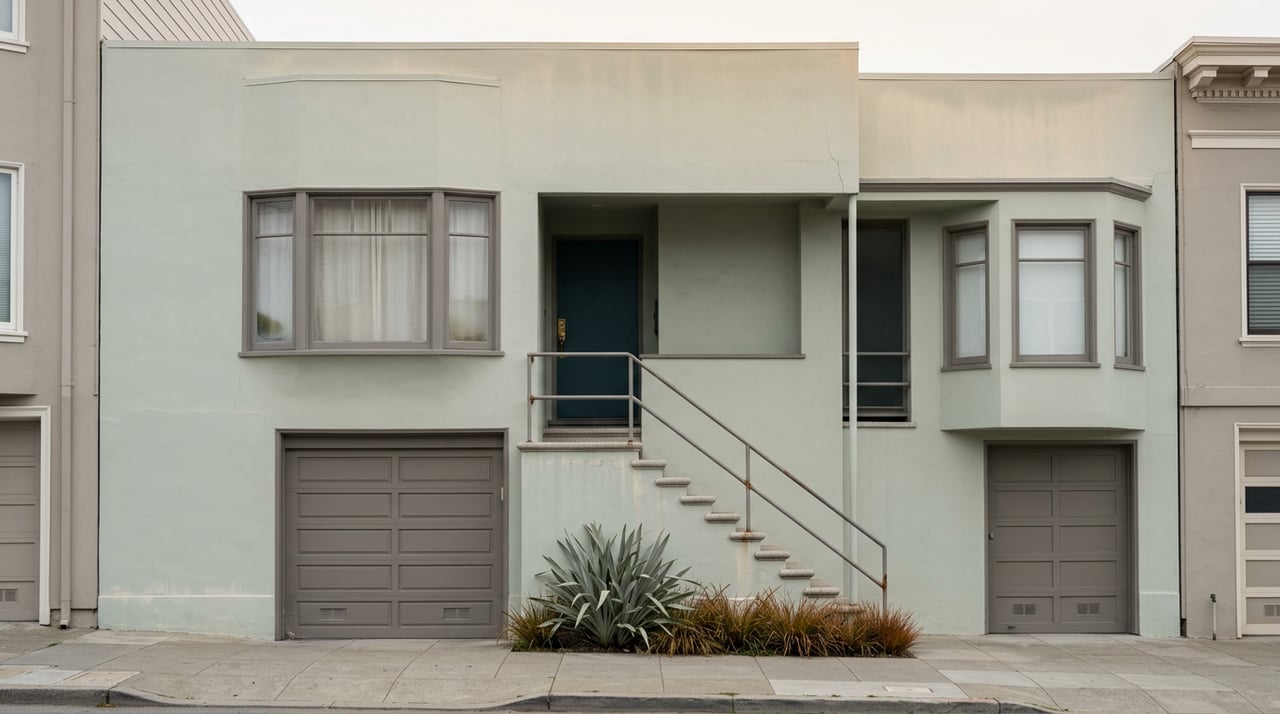
The Richmond’s housing stock tells you a lot about the neighborhood before you even step inside a home. Planning and heritage sources describe an area that grew largely after the 1906 earthquake, with rows of Edwardian-era flats and single-family dwellings extending toward the Presidio and Golden Gate Park.
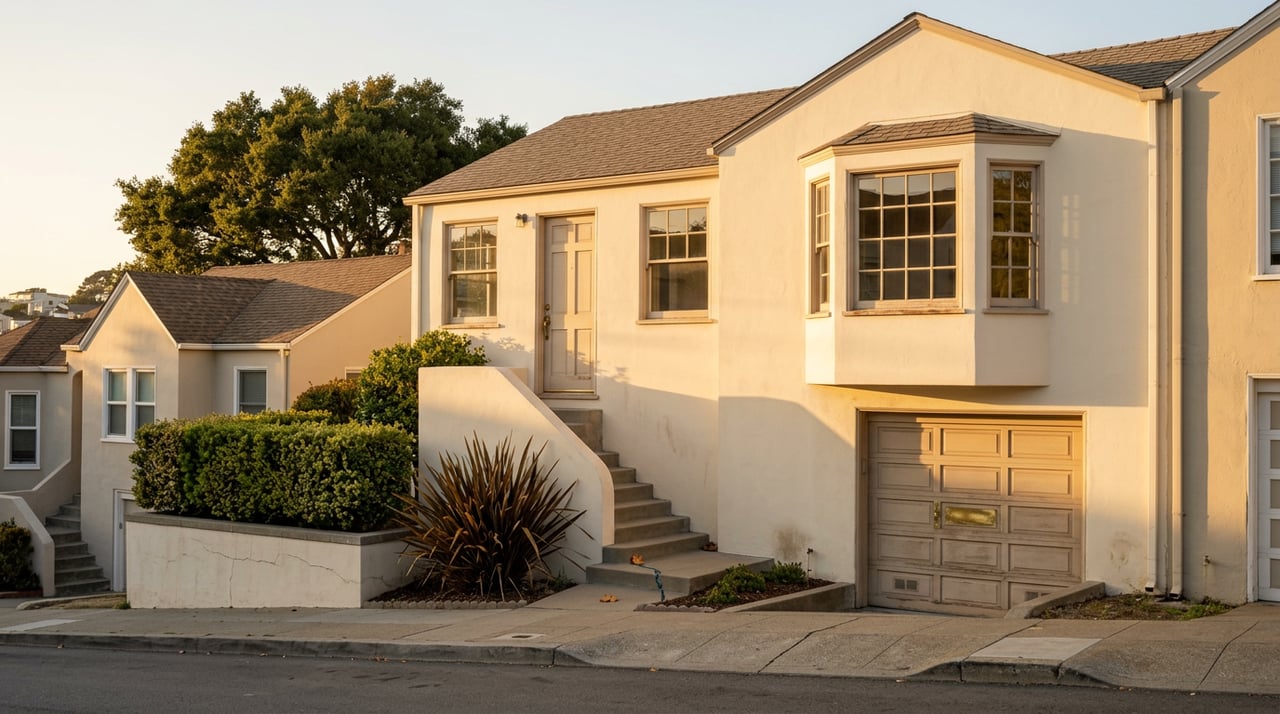
Today, that history shows up in a layered, mostly low-rise streetscape. You will also find corner-lot multi-unit buildings, older cottages, and later infill, which adds variety without changing the district’s overall residential feel.
One of the strongest themes in the research is that the Richmond reads as residential first. Even with active commercial corridors, the neighborhood is defined by low-rise homes and a steady, lived-in rhythm rather than by dense towers or major entertainment zones.
For buyers, that can mean a more predictable neighborhood feel. For sellers, it helps explain why lifestyle marketing in the Richmond often centers on daily convenience, block character, and access to parks rather than on flashier city-center amenities.
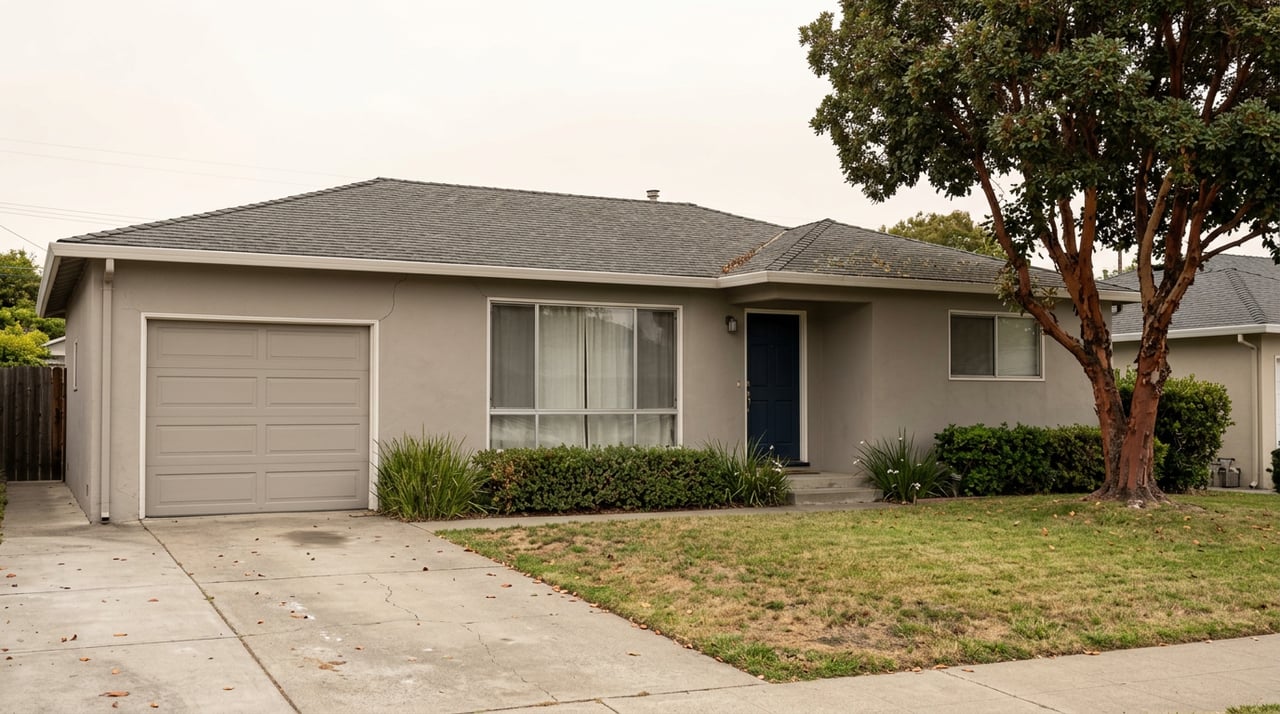
Because the neighborhood includes single-family homes, flats, and multi-unit buildings, the Richmond can appeal to a range of needs. Some buyers want a primary residence with room to grow. Others may be comparing condo or multi-unit options that offer a different entry point into the neighborhood.
That mix also matters for owners and investors evaluating long-term flexibility. A neighborhood with varied housing types often supports more than one lifestyle path over time.
Transit in the Richmond is a meaningful part of daily life, but it is primarily bus-based. According to SFMTA neighborhood pages, the area is served by routes including the 1 California, 2 Sutter, 5 Fulton, 28 and 28R, 31 Balboa, and 38, 38R, and 38AX. The 38 Geary runs 24 hours a day.
That network gives residents solid options for moving east-west and connecting to other parts of San Francisco. If you are considering the Richmond, it helps to think less in terms of rail access and more in terms of reliable bus service and walkable local routines.
The Richmond tends to work well for people who want neighborhood-serving businesses close by and transit options when they need to go farther. You may not have the same transportation pattern you would in a rail-centered neighborhood, but you do have a practical bus network that supports daily movement.
That can be a good fit if your lifestyle values flexibility. You can walk for many local needs, use transit for longer trips, and still enjoy the neighborhood’s quieter residential setting.
From a real estate perspective, the Richmond’s appeal comes from how well its parts fit together. You have low-rise housing, active neighborhood corridors, civic anchors, useful transit, and standout access to parks and the coast.
The district also has a self-contained quality that many people appreciate. With the Richmond/Senator Milton Marks Branch Library, schools, healthcare services like St. Mary’s Hospital, and nearby institutions such as the University of San Francisco referenced in planning materials, the neighborhood offers more than housing alone. It supports the routines that make a place feel functional over the long term.
For buyers, that can translate into confidence about day-to-day livability. For sellers, it creates a clear story to tell: the Richmond is not just a map location. It is a neighborhood where practical needs and outdoor access meet.
If you are thinking about buying, selling, or investing in the Richmond District, local context matters at the block level. The right home is not only about square footage or style. It is also about how that specific location connects you to commercial corridors, transit, and open space. For tailored guidance on Richmond District homes, condos, and small multi-unit properties, connect with Michael Soon.
Stay up to date on the latest real estate trends.


Understanding his client's goals has helped Michael negotiate successful outcomes buyers and sellers on all types of properties throughout the San Francisco region. Real estate, whether buying or selling, can be quite a journey, and Michael will be there every step of the way.