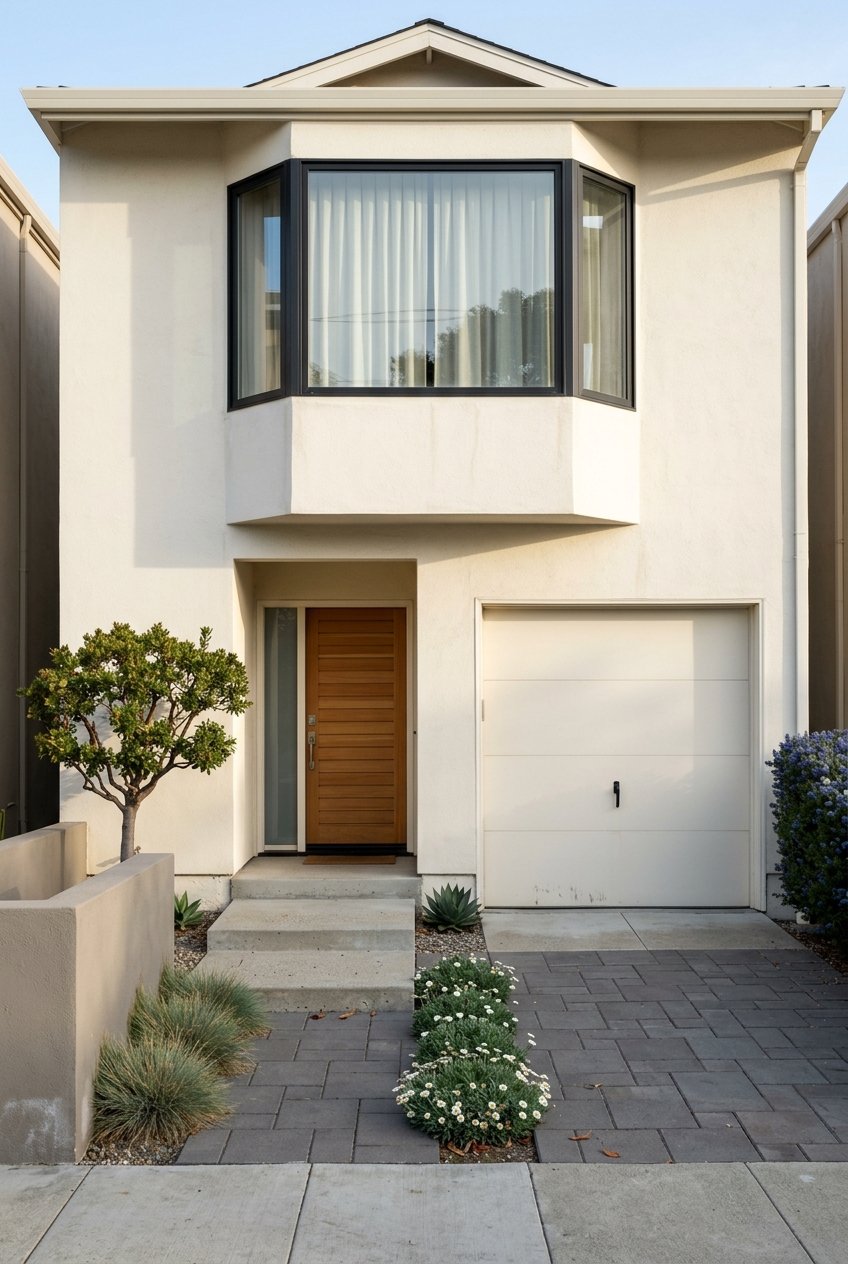
Comparing Peninsula Starter Homes in Daly City, South SF, and San Bruno
May 28, 2026
May 28, 2026
Wondering where your first Peninsula home dollars will go furthest? If you are comparing Daly City, South San Francisco, and San Bruno, you are not alone. These three cities sit close to one another, but they offer different price points, housing options, and commute setups. This guide will help you understand the tradeoffs so you can focus your search with more confidence. Let’s dive in.
If your top priority is getting into the Peninsula at the lowest current price among these three cities, Daly City stands out. Redfin reports a March 2026 median sale price of $1,160,000 in Daly City, while Zillow shows a typical home value of $1,134,511 as of April 30, 2026. Redfin also reports homes getting about 3 offers on average and spending roughly 17 days on market.
South San Francisco sits in the middle on price. Redfin reports a March 2026 median sale price of $1,317,500, and Zillow shows a typical home value of $1,238,304 as of April 30, 2026. Homes there are also moving with some speed, averaging about 6 offers and roughly 13 days on market.
San Bruno is currently the highest-priced of the three based on the available snapshots. Redfin reports a March 2026 median sale price of $1,390,000, while Zillow shows a typical home value of $1,308,474 as of April 30, 2026. Redfin also shows about 3 offers on average and roughly 9 days on market, which suggests fast movement when homes are listed.
Here is the simplest way to read the market snapshot:
| City | Median Sale Price | Typical Home Value | Avg. Offers | Days on Market |
|---|---|---|---|---|
| Daly City | $1,160,000 | $1,134,511 | 3 | 17 |
| South San Francisco | $1,317,500 | $1,238,304 | 6 | 13 |
| San Bruno | $1,390,000 | $1,308,474 | 3 | 9 |
Keep in mind that median sale price and typical home value are different measures, so they work best as complementary indicators rather than exact apples-to-apples comparisons.
Price matters, but so does what you actually get for that price. Each city has a different mix of home types, and that can shape your day-to-day experience as much as the budget.
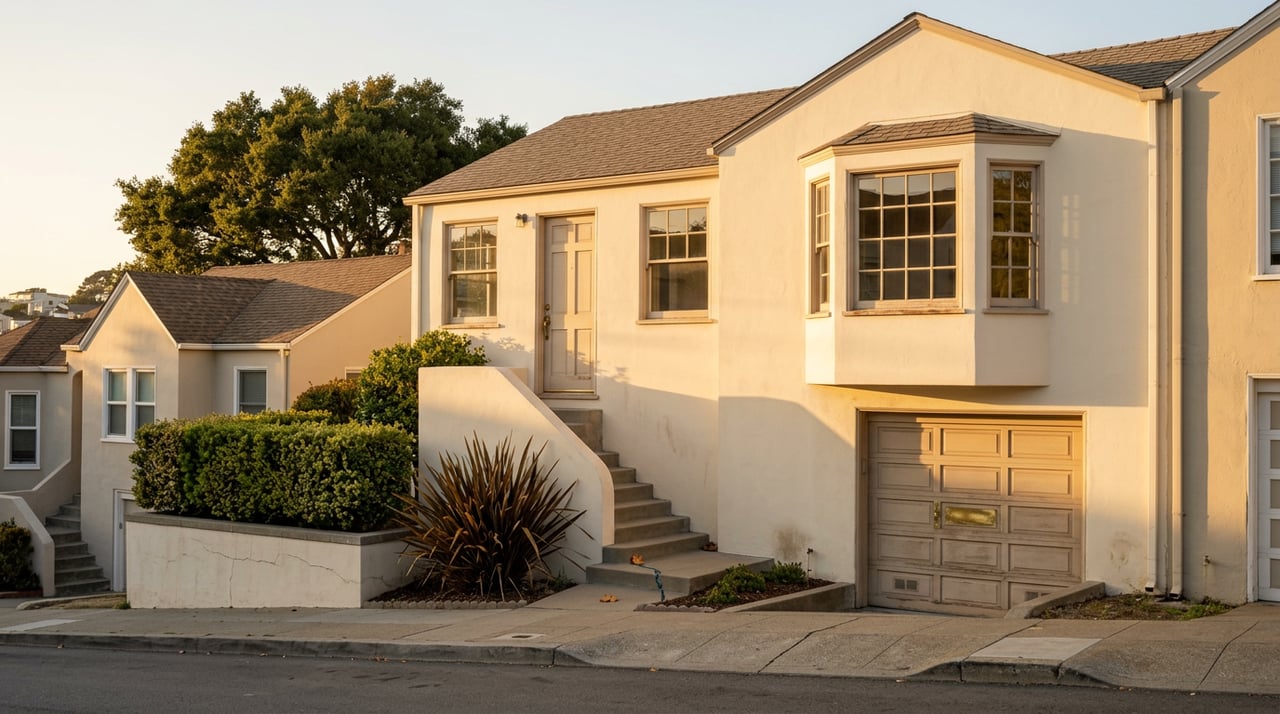
Daly City has a heavily single-family housing base. The city’s Housing Element says 62.3% of the housing stock was single-family in 2020, with 24.4% in multifamily buildings of five or more units and 11.6% in duplex-to-fourplex structures. For many buyers, that means you are often looking at detached homes, older layouts, and some condo or smaller multifamily choices mixed in.
The Westlake area gives useful context for what many buyers picture in Daly City. The city notes that much of the Coastal Zone was developed with single-family detached homes built in the 1950s and 1960s as part of Westlake. In practical terms, Daly City often appeals to buyers who are open to older homes and value a lower entry point more than brand-new finishes.
South San Francisco offers a broader housing mix. City planning documents describe downtown housing as including single-family, multifamily, and SRO hotels, and the city says more than 1,500 new housing units have been built since 2015, with most clustered downtown near the renovated Caltrain station. That creates a more mixed market than you might expect if you only know the city by its older residential blocks.
For a first-time buyer, this often means more variety. You may find older detached homes in established areas, along with condos, townhomes, and newer infill options near transit. The city also notes that much of the newer housing production has targeted above-moderate-income households, while parts of the older housing stock still need rehabilitation and accessibility work.
San Bruno also gives buyers a useful range of housing types. The city’s land-use rules allow single-family detached, single-family attached, small-lot or zero-lot-line homes, duplexes, and multifamily housing in the appropriate districts. That matters if you want flexibility in your search rather than a single housing style.
The city says single-family homes and duplexes are typically found in R-1 and R-2 zones, and its Residential Design Guidelines are meant to preserve neighborhood character in remodels and new construction. For a starter-home buyer, San Bruno often means smaller detached homes, duplexes, townhome-style properties, and some multifamily choices near transit and commercial corridors.
If your work or lifestyle depends on transit, the three cities start to separate more clearly. All three have strong regional access, but the type of access is not exactly the same.
Daly City is the clearest BART-first choice. Daly City Station at 500 John Daly Blvd. serves the Daly City, Antioch, Richmond, and Berryessa/North San Jose lines, according to BART. The station is also served by SamTrans and San Francisco Muni, which adds useful local and city connections.
If your routine is centered on San Francisco or BART-based travel, Daly City has a strong practical advantage. It works especially well for buyers who want Peninsula ownership but stay closely tied to San Francisco day to day.
South San Francisco has the most rail flexibility of the three. The South San Francisco BART Station at 1333 Mission Road is served by the Antioch/SFIA/Millbrae and Richmond/Millbrae/SFIA lines, and BART says the station also connects with SamTrans and the city’s free South City Shuttle. On top of that, the city’s rebuilt Caltrain station is fully accessible and served by SamTrans routes 38 and 292.
For many buyers, this is the best middle-ground transit setup. You have BART for San Francisco and East Bay access, Caltrain for Peninsula and South Bay travel, plus local shuttle and bus support.
San Bruno is also a strong rail-access city. San Bruno Station at 1151 Huntington Avenue sits on the same two BART lines as South San Francisco, and BART says it is served by SamTrans. Caltrain also places San Bruno in Zone 1, giving buyers another rail option beyond BART.
If you want both BART and Caltrain access in a city that may feel a bit more suburban in character, San Bruno has a compelling setup. It blends commuter convenience with a more traditional neighborhood framework.
The best starter-home city is not just about the lowest list price. It is about finding the right mix of budget, home style, and commute pattern for how you actually live.
Daly City is the best fit if you want the lowest current entry point of the three and are comfortable with an older housing stock. Its large single-family base and strong postwar housing legacy make it a practical starting place for buyers who want a detached-home search to stay realistic. If value matters most, Daly City deserves a close look.
South San Francisco is a good fit if you want the broadest housing mix and the most transit flexibility. It offers older homes, newer infill, BART access, Caltrain access, and local shuttle support in one city. If you want a middle-ground option that balances price, product variety, and commuting choices, this may be the strongest match.
San Bruno is worth your attention if you want a more traditionally neighborhood-suburban feel while keeping strong rail access. It is the highest-priced of the three in the current snapshot, but it also offers a useful mix of detached homes, duplexes, and attached options. If your priority is feel and convenience together, San Bruno may be the right compromise.
If you are still deciding, start with three simple questions:
Your answers can quickly point you in the right direction. Daly City usually leads on budget, South San Francisco often wins on transit balance and housing variety, and San Bruno tends to appeal to buyers looking for a more suburban-feeling environment with strong rail access.
Buying your first home on the Peninsula can feel like a moving target, especially when nearby cities look similar on a map but play very differently in real life. A local strategy helps you compare not just prices, but also pace, product type, and daily convenience. If you want help narrowing down where your budget fits best in Daly City, South San Francisco, or San Bruno, Michael Soon can help you build a focused plan and tour the right opportunities with confidence.
Stay up to date on the latest real estate trends.
Understanding his client's goals has helped Michael negotiate successful outcomes buyers and sellers on all types of properties throughout the San Francisco region. Real estate, whether buying or selling, can be quite a journey, and Michael will be there every step of the way.